Columbia University Scientists Discover Anti-Cancer Bacteria in Manhattan Soil
Columbia University researchers discovered that bacteria from Manhattan park soil produce compounds capable of destroying lung cancer cells, offering a potential Trojan horse treatment strategy.
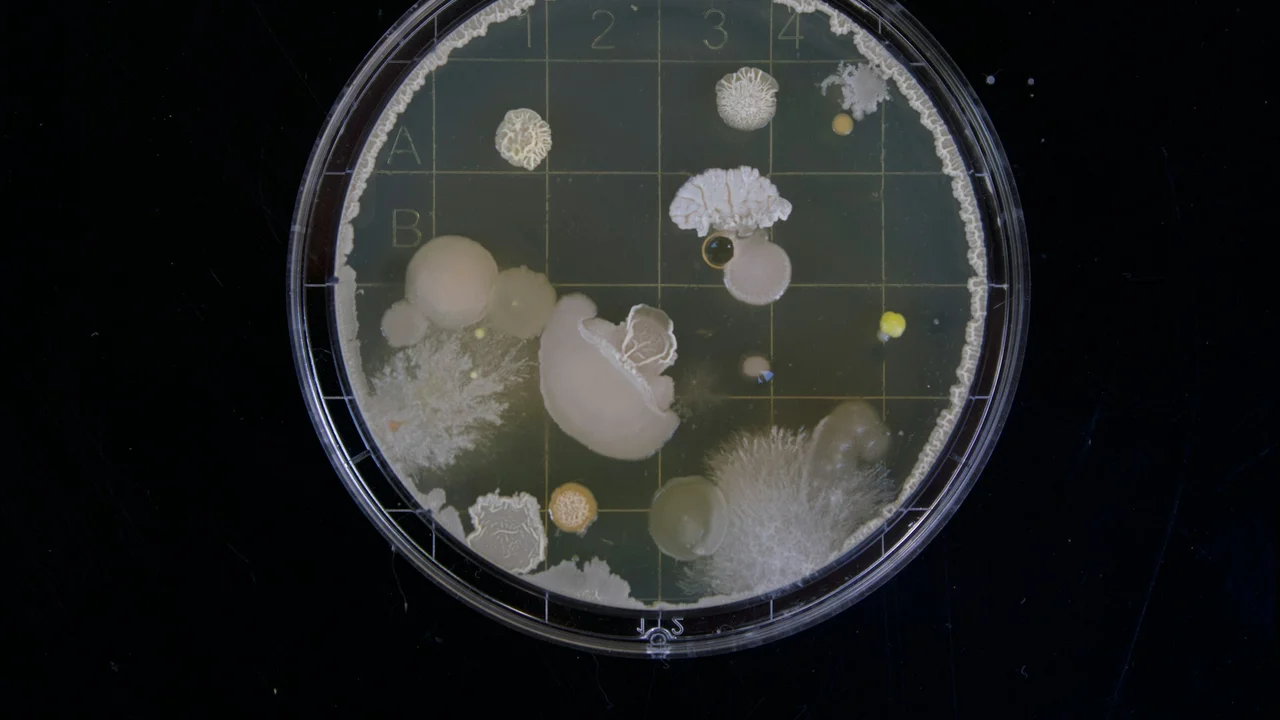
A groundbreaking study published in the scientific journal BioDesign Research reveals that soil collected from public parks across Manhattan contains bacteria capable of destroying human lung cancer cells under laboratory conditions. Researchers from Columbia University gathered soil samples from 25 parks throughout New York City and successfully isolated 17 bacterial cultures that produced compounds lethal to human lung cancer cells.
Further analysis demonstrated that four of these bacterial strains also targeted human lymphoma cells and mouse colon cancer cells. The active substances proved effective against three-dimensional spheroids of lung cancer cells, which closely mimic the structural complexity of actual tumors inside the body. While researchers have yet to precisely identify the specific compounds responsible for the cell destruction, they suspect that some are protein-based toxins naturally produced by the bacteria.
Developing a Bacterial Trojan Horse Approach
One of the most compelling possibilities stemming from the research is employing bacteria as a biological Trojan horse in cancer treatment. Scientists envision engineering bacteria that can infiltrate cancerous tumors, colonize them, and release toxic agents to destroy malignant cells from within.
In a separate experiment, researchers demonstrated that a different bacterial strain, which does not naturally produce the tested toxins, successfully colonized clusters of cancer cells. The team is currently exploring the feasibility of combining this targeted penetration capability with the lethal compounds generated by the other bacterial strains.
Mathematical Modeling and Future Steps
To evaluate the concept, researchers developed a mathematical model testing the operational viability of the method, yielding encouraging preliminary results. However, scientists emphasize that critical safety evaluations remain ahead, including testing whether these compounds harm healthy tissue and whether they can be administered safely to humans.
This discovery adds to a growing catalog of natural anti-cancer agents identified in recent years from sources such as frogs, fungi, scorpion venom, ocean-dwelling bacteria, and avian excrement. Soil remains a particularly rich frontier for oncological research due to its immense microbial diversity, where countless microscopic organisms produce complex chemical compounds as part of their natural survival mechanisms.