Israel Prepares Financial Systems for 2030 as Quantum Computing Era Accelerates
Intel's acquisition of Classiq for $2.25 billion highlights Israel's leadership in quantum computing as banks and cyber authorities prepare security upgrades for 2030.
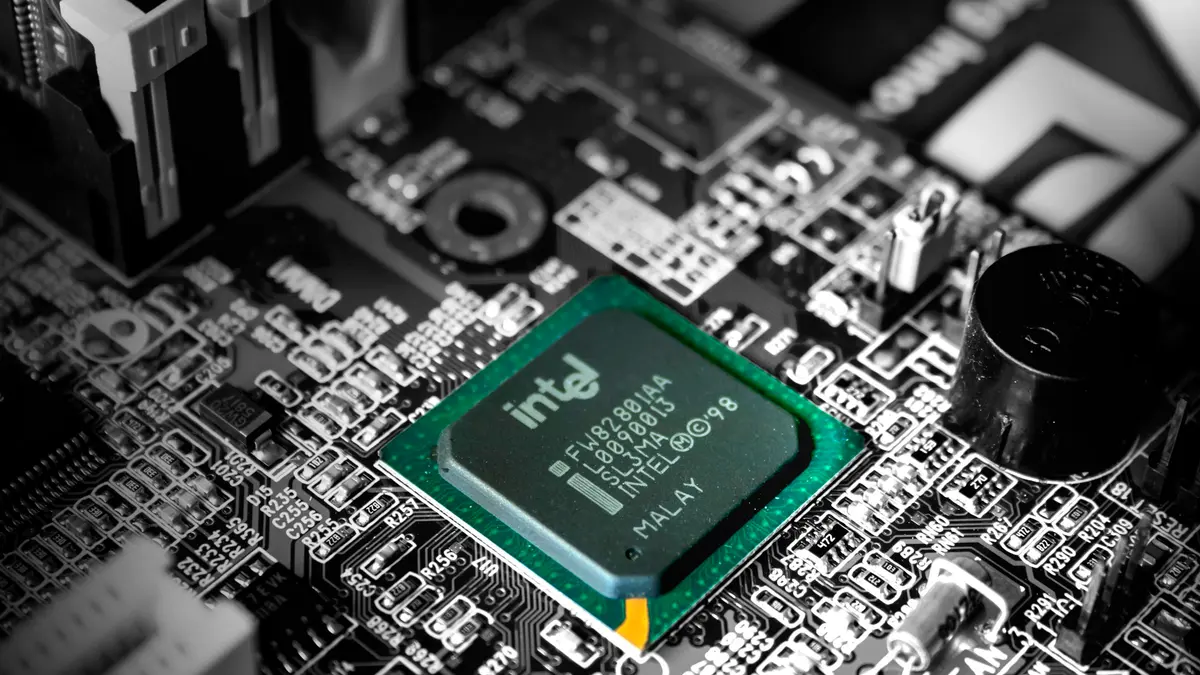
A historic milestone was reached in the global technology sector when semiconductor giant Intel announced an agreement to acquire Israeli quantum computing startup Classiq for $2.25 billion. The transaction comprises $1.9 billion in base consideration and up to $350 million in milestone-based payments, with final completion expected in the first half of 2027. This acquisition marks the largest exit in the history of the global quantum computing industry. To understand the gravity of this development, experts point to the fundamental shift between classical computers, which rely on bits representing either zero or one, and quantum systems that utilize qubits capable of existing in multiple states simultaneously through superposition.
The Quantum Threat and Post-Quantum Cryptography
While quantum computing promises revolutionary advancements in fields such as molecular drug simulation and logistical optimization, it also poses an unprecedented threat to global cybersecurity. Standard encryption methods safeguarding bank accounts, internet communications, and state secrets rely on mathematical complexities, such as factoring massive prime numbers, that would take classical computers millions of years to reverse. However, Shor's algorithm, a mathematical formula developed in the 1990s, is specifically tailored for quantum computers to efficiently identify repeating patterns and break existing cryptographic standards. Cyber experts warn that "Q-Day"—the moment a quantum computer becomes powerful enough to run such algorithms—could arrive between 2030 and 2035, prompting malicious actors to hoard encrypted data today for future decryption.
To counter this looming vulnerability, the cybersecurity industry has entered a race to deploy Post-Quantum Cryptography (PQC) standards. Following the National Institute of Standards and Technology publishing official post-quantum encryption standards, organizations and financial institutions worldwide are initiating multi-stage transitions. This migration involves conducting comprehensive digital inventories of cryptographic assets, implementing hybrid security architectures that combine legacy and post-quantum locks, and building technological agility to replace encryption algorithms rapidly without dismantling underlying IT infrastructure.
Israel's Quantum Ecosystem and Financial Sector Preparations
Israel stands at the forefront of global quantum infrastructure and software development, supported by more than 20 local quantum enterprises that attracted substantial venture capital funding. The Bank of Israel and the Israel National Cyber Directorate have instructed commercial banks and credit card operators to formulate multi-year operational plans for systemic mapping and security upgrades ahead of 2030. Furthermore, the Israel Innovation Authority launched a national consortium comprising nine companies and six universities to develop quantum-secure communication infrastructures, led by Allot alongside industrial participants including Elta Systems.
Beyond the macroeconomic resilience of Israel's high-tech sector, recent market activity underscores continued momentum in technological innovation. Dekart, an Israeli startup founded in late 2023 by alumni of military intelligence unit 8200, integrated its technology into Amazon's semiconductor division in a rapid exit deal. Financial analysts emphasize that proactive regulatory oversight and collaborative national infrastructure investments remain vital to ensure that emerging fintech firms and established financial institutions maintain robust security standards while preserving healthy market competition.