Mandelblit Admits He Did Not Read All Investigation Files in Netanyahu Trial
Former Attorney General Avichai Mandelblit admitted in court that he did not read every word of the investigative files in the Netanyahu trial, sparking a sharp defense clash over reliance on prosecution summaries.
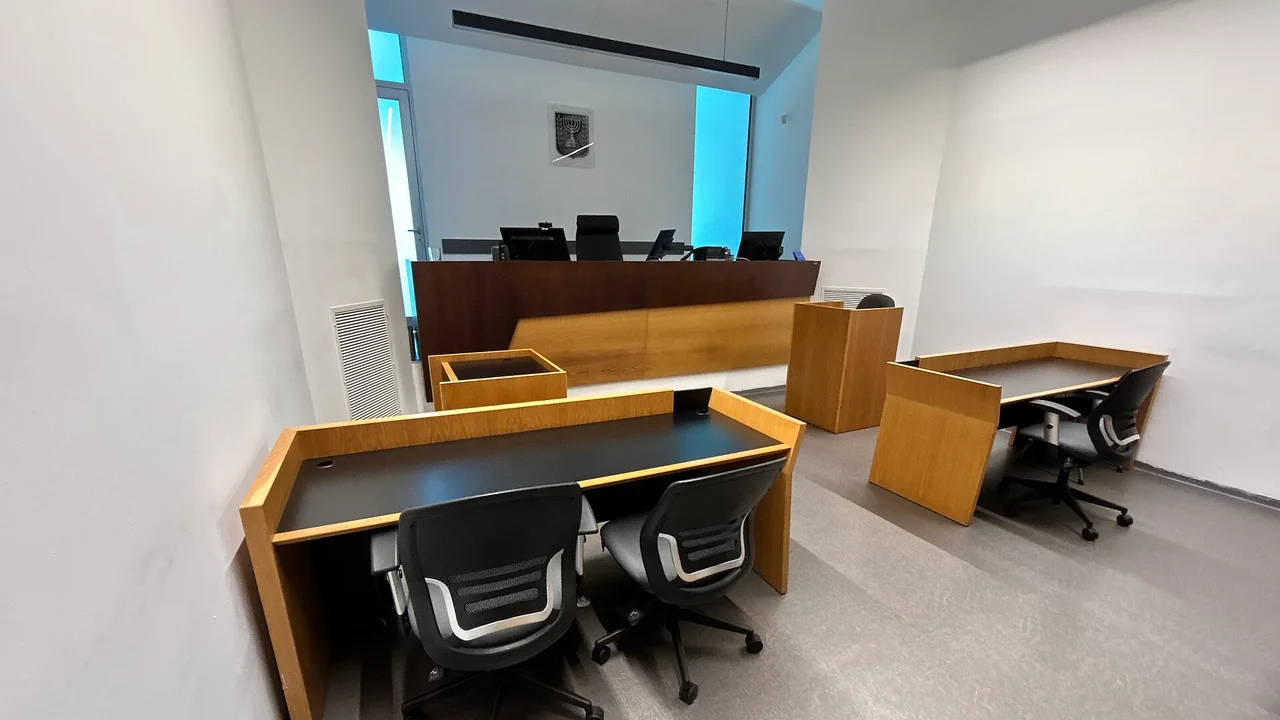
A sharp verbal clash erupted in court during the testimony of former Attorney General Avichai Mandelblit in the trial of Prime Minister Benjamin Netanyahu. The confrontation began when defense attorney Jacques Chen, representing the defendants Shaul and Iris Elovitch, referenced former Inspector General of Police Roni Alsheich during cross-examination. Chen questioned Mandelblit regarding the scope of investigative materials he reviewed personally versus those summarized for him by prosecution officials.
Clash Over Investigation Methods and Ethics
Chen remarked that the former police chief had previously claimed a personal hobby involving smelling coriander, a comment that drew immediate objections from prosecutor Liat Ben-Ari, who questioned its relevance. Chen pushed back strongly, highlighting the severe personal and professional toll the multi-year investigation took on his clients. "There are real people behind these files, they are called my clients," Chen told Mandelblit, adding that he would not accept lectures on ethics given the years of public leaks and Alsheich's public statements regarding the case.
As prosecutor Ben-Ari noted that Alsheich would eventually testify and could be questioned directly, defense attorney Amit Hadad interjected, "He will come, he will come." The presiding judges intervened to steer the courtroom back to procedural order and asked Chen to focus his questions on Mandelblit. Following the interruption, Chen asked Mandelblit whether, unlike Alsheich, he had refrained from reading every single word in the investigative files. Although the prosecution objected, Mandelblit answered directly: "The answer is correct, I did not read every word. I do not work like that, and I do not think it is possible or correct to work like that."
Defense Focus on Prosecution Summaries
Earlier in his testimony, Mandelblit explained that prior to meetings held in his office, prosecution staff routinely prepared detailed briefing documents containing witness testimony highlights, evidence analysis, and investigative recommendations. When asked if he cross-referenced these summaries with raw source materials, Mandelblit answered in the negative, confirming he relied on the prosecution's preparatory work and did not personally listen to audio recordings of former Walla CEO Ilan Yeshua during the reviewed discussions.
This line of questioning forms a cornerstone of the defense strategy, which aims to examine not only the approvals Mandelblit granted during the corruption investigations, but also the factual foundation presented to him. By highlighting the gap between public law enforcement declarations and the actual decision-making mechanics inside the Attorney General's office, the defense seeks to demonstrate how critical legal determinations relied heavily on processed summaries rather than raw evidentiary reviews.