Former Minister Nachman Shay Backs Emerging Change Bloc Coalition Government
Former minister Nachman Shay backed the emerging Change Bloc government, arguing it represents the only viable alternative despite necessary political compromises and unfulfilled electoral pledges.
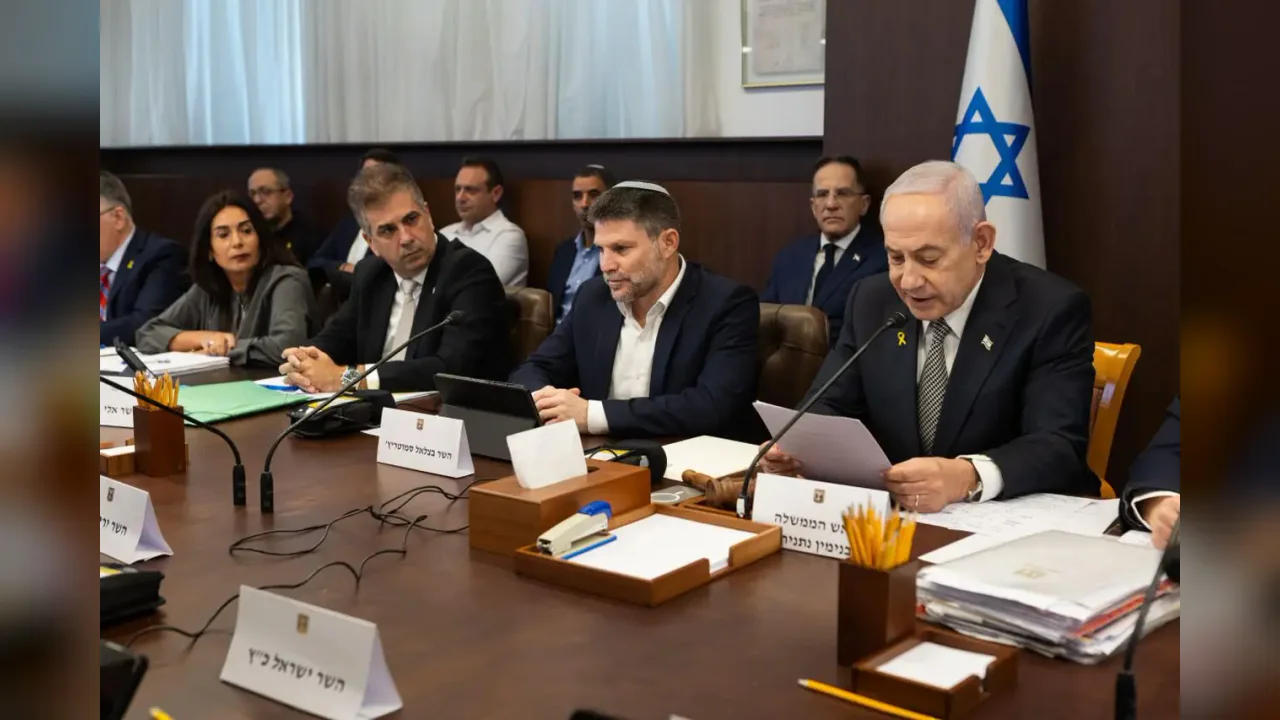
Former minister and Labor Party member Dr. Nachman Shay expressed support for the emerging coalition being assembled by the Change Bloc, describing the prospective administration as the only viable alternative under current conditions. Speaking on the radio, Shay pushed back against labeling the coalition a minority government, arguing that it would possess a legitimate majority composed of lawmakers duly elected by the majority of Israeli citizens.
Assessing Compromises and Political Realities
Addressing pre-election promises and the compromises inherent in coalition negotiations, Shay acknowledged that electoral pledges are often fulfilled only in part. He noted that politics is the art of the possible and urged observers to judge the incoming administration by its concrete actions and ability to heal societal fractures.
"Politics has unpleasant moments that emit a bad odor. Many things were said before the elections, and promises were given—some of which will be kept and some not. A state commission of inquiry into October 7, for example, is something Israel owes to itself and to hundreds of thousands of Israelis who were affected in one way or another," Shay remarked.
Broader National Crises and International Relations
Shay emphasized that the primary metric for success should be the government's capacity to navigate severe national crises, repair foreign relations, and mend ties with the USA and the broader Jewish diaspora. He criticized recent state conduct, pointing to instances of violence by rioters in the West Bank who targeted journalists and electricity workers, and warned that such lawlessness damages Israel's standing.
Drawing on his experience in a previous diverse coalition, Shay recalled the sense of relief felt by communities abroad when Israel managed to form a government reflecting a broad spectrum of society, encompassing Jewish and Arab lawmakers, religious and secular citizens, as well as representatives from across the political right, center, and left.