Israeli Survey Highlights Societal Blind Spots Regarding Male Sexual Assault
A new Israeli survey reveals a wide gap in public perception regarding male sexual assault, even as helpline calls from male survivors surge by 81% over two years.
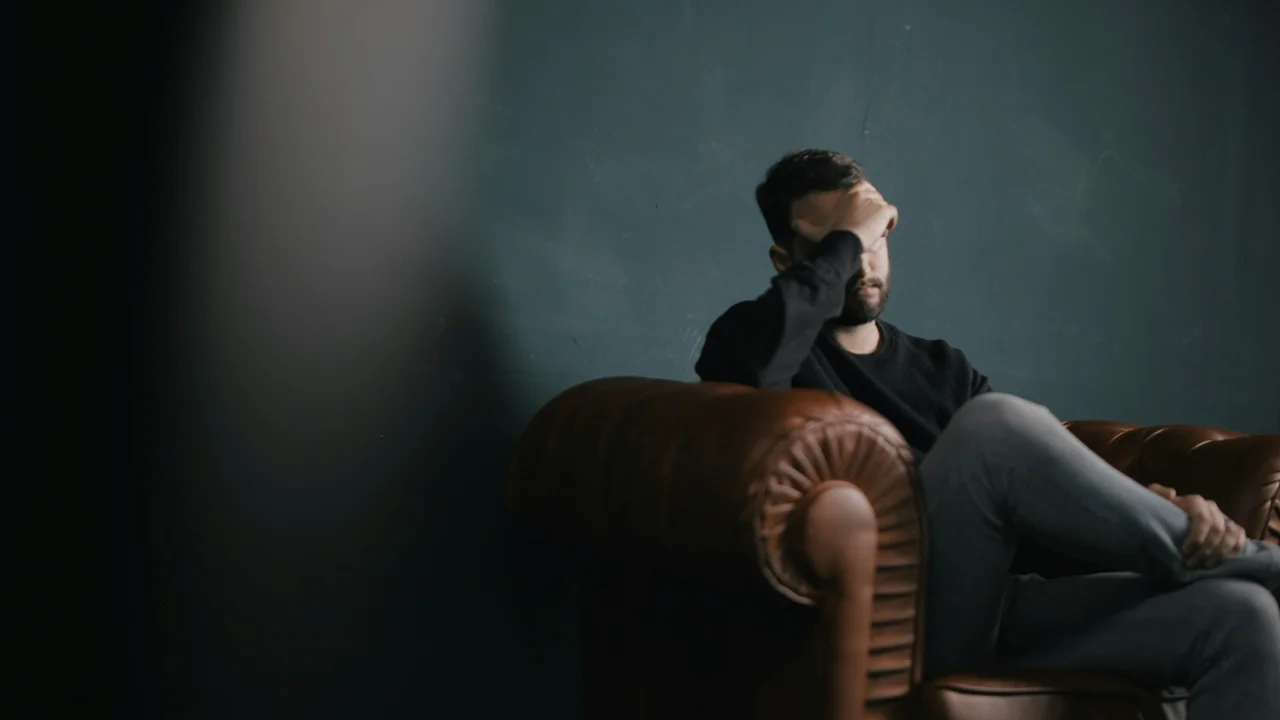
A new survey on public attitudes toward sexual assault against men reveals a striking gap between theoretical recognition and social reality in Israel. While 84% of respondents acknowledge that men can be sexually assaulted, only 20% believe it occurs extensively among adult men, compared to 76% for adult women. The findings are set to be presented at the 'From Silencing to Recognition' conference in Tel Aviv.
The data exposes persistent cultural stigmas, with 22% of respondents believing a 'real man' could prevent sexual assault, and 44% assuming male survivors are at risk of becoming abusers themselves. Experts note that upbringing plays a critical role, as parents frequently warn daughters about unwanted touch while educating sons primarily on the prohibition against harming others, often omitting the risk that boys themselves might be victims.
Despite deep-rooted societal denial and a historic scarcity of reports from young males, signs of change are emerging. Hotline operators report an 81% surge in calls from male survivors over the past two years, with callers ranging from young adults to men in their fifties and sixties. Advocates attribute part of this shift to the courage of male hostages returning from Hamas captivity who spoke out about sexual abuse, shattering long-held taboos and forcing a reexamination of male vulnerability and resilience.
Organizers emphasize that true prevention requires dismantling rigid gender stereotypes. Educating children means teaching boys that strength can coexist with vulnerability, and that seeking help does not diminish their masculinity. The upcoming conference aims to foster broader public dialogue and improve support systems for male survivors across the country.