The State Continues Building Thousands of Apartments in Ofakim: Why, and What Are the Prices?
The city of Ofakim is rapidly transforming into a massive construction site. Despite concerns over supply, the Israel Land Authority (ILA) is set to market 1,500 more units next month. We examine the driving forces behind this growth and the current real estate pricing.
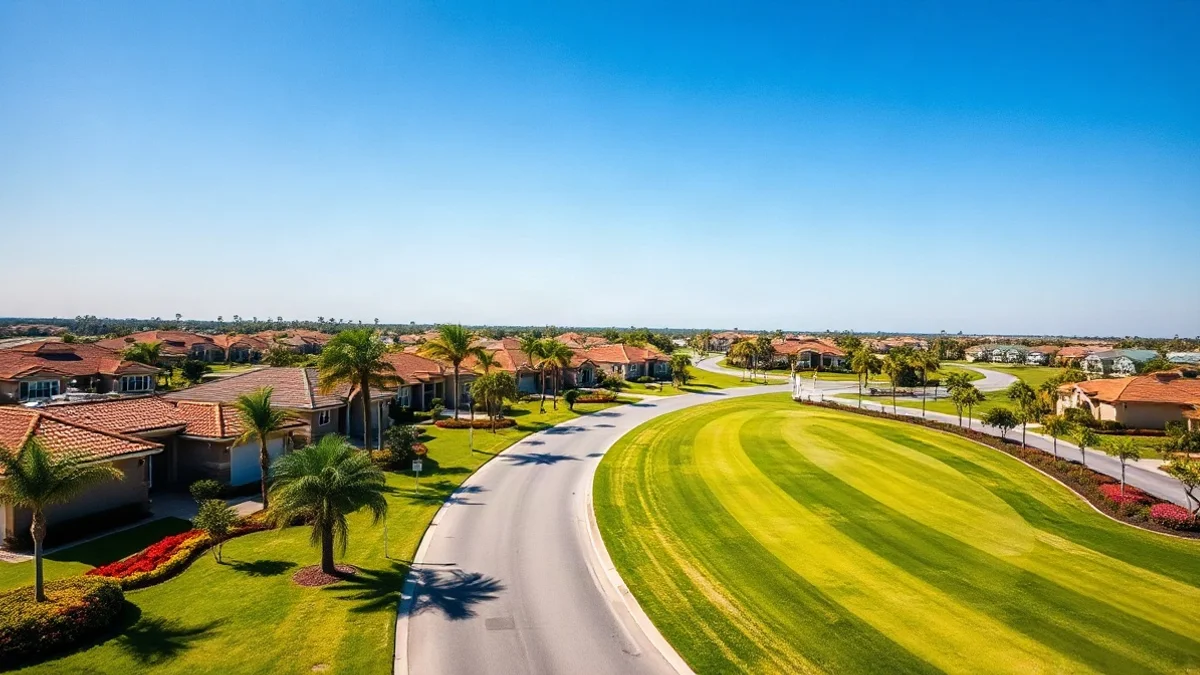
Anyone driving along one of the main roads in Ofakim cannot help but notice the rapid development at the edge of the city. The Afikey Nahal neighborhood is expanding at a pace so swift that even local residents question the demand for such a high volume of apartments. Competition among developers is fierce, with units marketed both to the open market and through the 'Buyer's Price' (Mehir LeMishtaken) program. Beyond the sheer scale of construction, the outlook for the area remains a key factor.
Recent conduct by the Israel Land Authority (ILA) has drawn criticism, with the fiasco surrounding the appointment of its director coinciding with a slowdown in high-density project marketing nationwide. However, Ofakim remains a notable exception where development continues unabated.
In early August, two major tenders are expected: the first involves 544 housing units under the 'Target Price' (Mehir Matara) program, and the second includes over 1,000 units on another plot. These figures are significant, leading some developers in the south to question whether such high supply is sustainable in the area.
Economic Incentives and Pricing
The appeal of Ofakim reaches as far as Beersheba, as new residents in Ofakim are eligible for an 18% tax benefit. For an average family, this translates into thousands of shekels in monthly savings at the state's expense. Apartment prices remain competitive; for instance, Aura is marketing mini-penthouses for 2.14 million shekels, highlighting the 12-minute commute to Beersheba.
Major construction firms have established a presence in the area. Damri was among the first to enter the Ofakim-Netivot corridor. Other notable players include Efi Capital Real Estate, which is building a 1,200-unit complex, and the TRIO project by Magido Reisdor.
Market Trends
Market data indicates a steady rise in prices. 3-room apartments that sold for 1.1 million shekels two years ago are now fetching 1.25 million shekels and up. 4-room apartments start at 1.45 million shekels, while 5-room units begin at 1.75 million shekels. Detached houses are available from 2.8 million shekels. In contrast, Ofra Hadad, CEO of Euro, notes that prices in Netivot are approaching the 3.5 million shekel threshold.
For open-market apartments, prices generally fluctuate between 14,000 and 16,000 shekels per square meter, depending on the floor and unit size.
Recent transactions in the neighborhood:
-
VILLA REFAEL, detached house, 172 sqm, 6 rooms — 2.78 million shekels.
-
I.H. Damri, 133 sqm, garden apartment, 5 rooms — 2.07 million shekels.
-
Tiltan project, 220 sqm, garden apartment, 7 rooms — 2.39 million shekels.
-
Baral-Selait project, 110 sqm, 4 rooms, 6th floor — 1.7 million shekels.