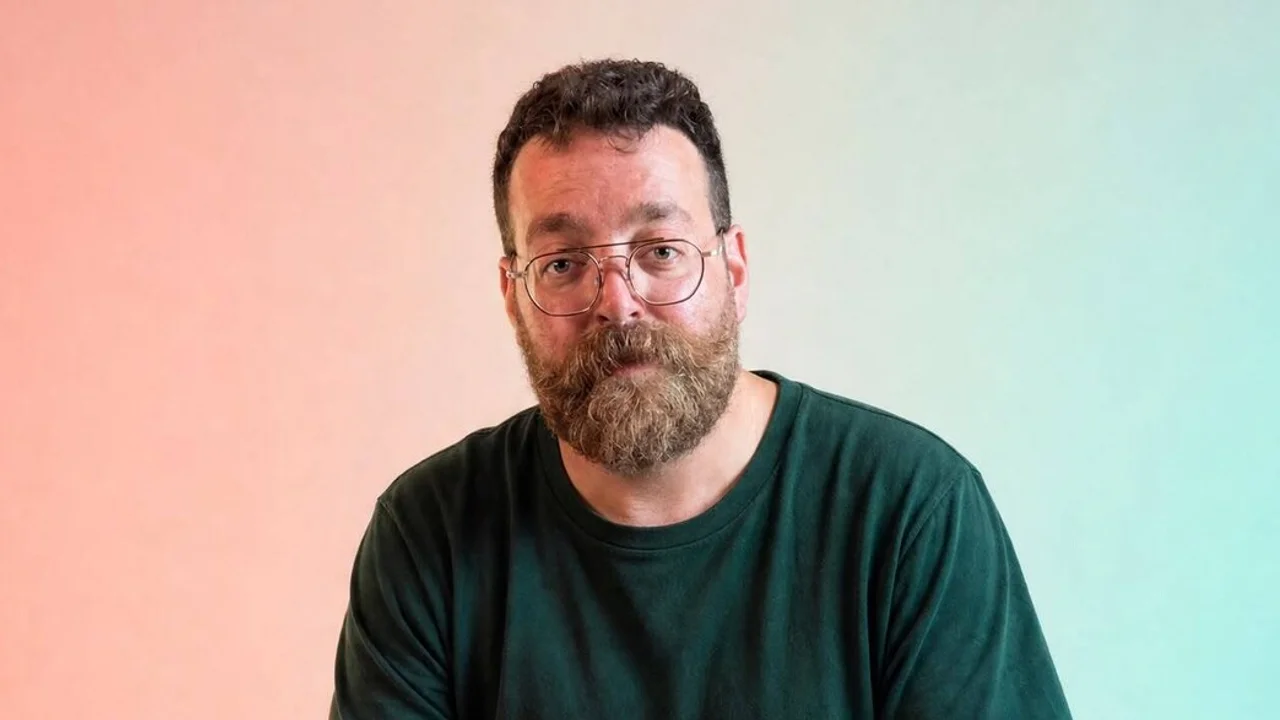
Liraz Charhi on Persian Roots, Post-Separation Life, and Secret Music
Singer Liraz Charhi opens up about her recent personal separation, her clandestine musical collaborations with underground Iranian artists, and her upcoming performance at the Tel Aviv-Jaffa Jazz Festival.
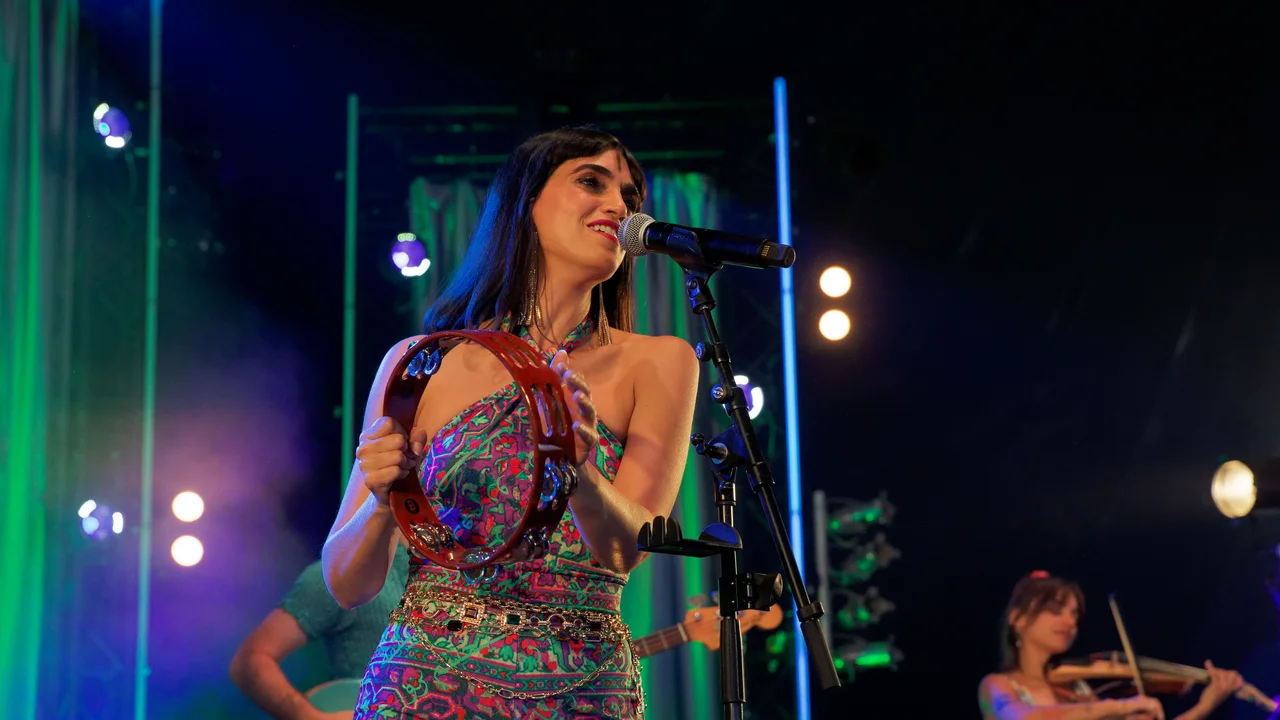
Liraz Charhi reflects on her personal transformation, her artistic journey bridging Tel Aviv and Tehran, and the challenges of carving out an independent path in music during wartime.
Life After Separation and Finding Oneself
The recent period brought profound personal changes for Liraz Charhi, including her separation after 16 years of relationship with Tom Avni, with whom she shares two daughters. Reflecting on this transition, Charhi notes that the first year following a separation is exceptionally challenging, while the second brings new realizations about independence and self-worth. "Suddenly, waking up feels brighter and more colorful on the outside, yet deeply challenging and missing something on the inside," she shares. Adjusting to a quiet home and managing life as a single mother required immense emotional recalibration, but it also opened her heart to new forms of community and self-expression. Choosing to stop pleasing everyone around her marked a turning point in embracing her true desires and artistic vision.
Connecting with Persian Roots and Secret Collaborations
Before embracing her heritage, Charhi spent years pursuing acting in Israel and Hollywood, starring alongside prominent international actors. However, during a period in Los Angeles, she rediscovered the Persian music that had been silenced in Iran following the revolution. Embracing her roots transformed her career, leading to three acclaimed Persian-language albums—"Naz", "Zan", and "Roya"—recorded secretly with underground musicians from Iran. The project involves clandestine operations to protect female artists who face severe risks under the Islamic regime. Charhi recounts a tense period when one of her collaborating musicians was detained in Tehran after a prominent colleague spotted her performance abroad and reported her. Fortunately, through direct appeals, the situation was resolved, allowing the artist to regain her freedom.
Bringing Music Across Borders and The Upcoming Concert
Despite the complexities of the ongoing regional conflict and the alienation she faced from some European PR teams who demanded anti-Israel statements, Charhi remains steadfast in her mission of cultural unity and artistic freedom. Traveling through perilous routes during wartime to perform in Europe reinforced her belief in the power of music to transcend political divisions. "A person does not choose where to be born," she states, emphasizing that art creates a space where human connection supersedes flags and political symbols. On November 21, Charhi will perform at the closing event of the Tel Aviv-Jaffa Jazz Festival at Beit Romano, hosting exiled Iranian tar player Sahba Motallebi in their ongoing collaborative journey.