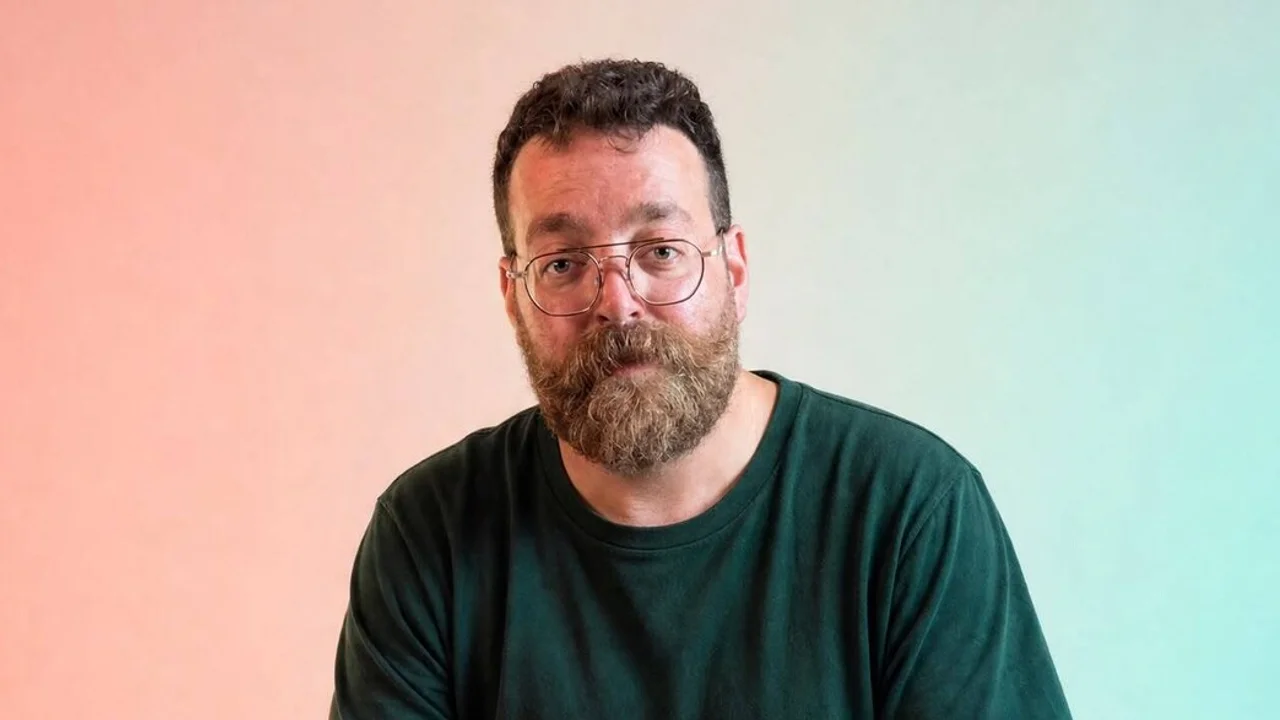
Top Israeli Talent Agent Arik Kneller Opens Up in New Documentary
Talent agent Arik Kneller explores family trauma, his secret past, and his parents' Holocaust legacy in the emotional new documentary film "The Motel".
Arik Kneller, one of Israel’s most prominent literary and talent agents, has spent decades managing the careers of top creators, screenwriters, and artists. However, he kept his own most painful chapter locked away until now. In the emotional documentary film "The Motel", directed alongside Edo Bahat, Kneller returns to the family motel in Peekskill, a small town in upstate New York where his parents—Holocaust survivors—immigrated in the late 1970s alongside their children: Arik, Miriam, and Zviki.
Initially, the American dream seemed to be coming true as the Town Line Motel attracted a diverse crowd. Yet behind the idyllic landscape lay a darker reality of motel guest suicides, forbidden relationships, drug trafficking, and an older man who groomed Arik for years. Kneller opens up about the heavy toll of those years, stating, "I freed myself from the shame in this film. I was with Fremont for 15 years every single week. It messed up my life, but it also forced me to confront my past."
Confronting Family Tragedies and Secrets
The documentary weaves together deep personal pain, including the tragic drug addiction and suicide of his brother Zviki, and the emotional burden carried by his family after relocating from Ramat Gan. Kneller recounts the devastating night his father found out about his sexual orientation, reacting with deep despair and telling him, "You destroyed me today, I don't want to live anymore." Despite the generational trauma and the haunting memories of his youth, Kneller emphasizes the profound redemption he found in fatherhood later in life.
Today, Kneller looks back at his life with a sense of hard-won peace. Alongside his professional success representing Israel's finest cultural figures, he cherishes his role as a father to his son Imri. "The Motel" serves not only as a personal catharsis but also as a testament to resilience, offering a deeply moving glimpse into the complex intersections of family, migration, and self-acceptance.