Likud Files Formal Court Appeal Challenging 26th Knesset Election Results
Likud formally appealed the 26th Knesset election results at the Jerusalem District Court following disputes over voter turnout spikes and covert foreign funding investigations.
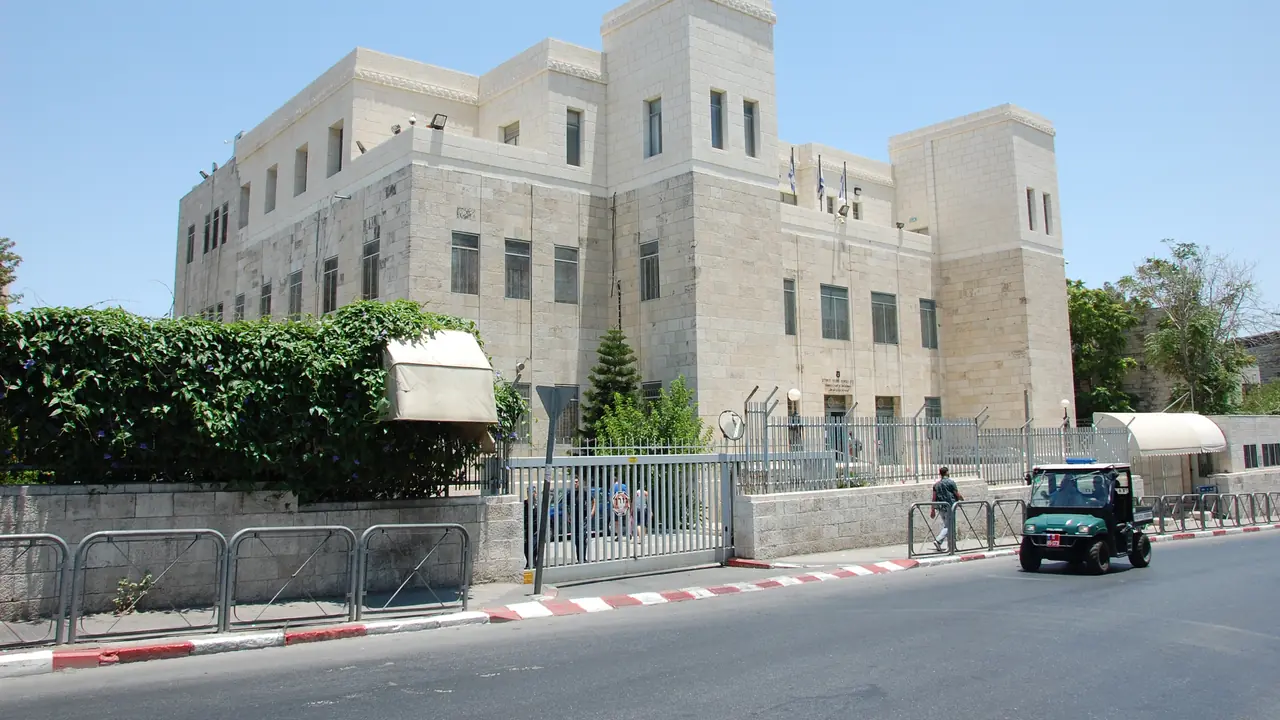
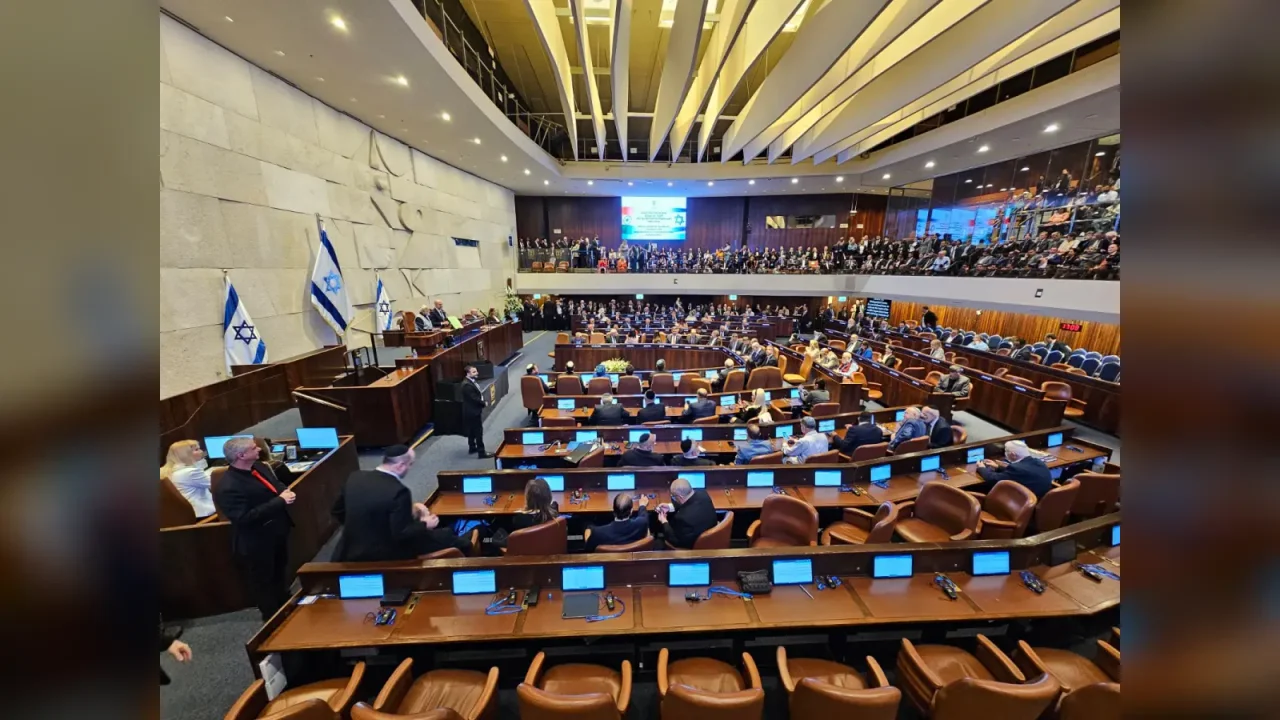
The Likud party filed an official appeal with the Jerusalem District Court challenging the certified results of the elections for the 26th Knesset. The legal challenge follows earlier disputes over voting dynamics, a record-breaking 44.9% voter turnout, and covert investigations into alleged foreign financing.
Background on Election Integrity and Investigations
In early November, Supreme Court Justice and Central Election Committee Chairman Noam Sohlberg announced a covert Shin Bet investigation into suspected foreign funding aimed at influencing the 26th Knesset elections. Joined by Attorney General Gali Baharav-Miara and Shin Bet Director David Zini, Sohlberg emphasized that the election results would remain intact. "I tell you with full responsibility: the elections for the 26th Knesset were conducted properly," Sohlberg declared, stressing that voter choices must be respected.
Sohlberg explained that while the security-related investigation involves serious allegations regarding foreign funding, the gathered material does not undermine the legitimacy of the democratic process. Following his initial announcements, Sohlberg partially approved a Likud request to inspect polling station materials. This authorization allows the party to examine voting data across approximately 190 polling stations to substantiate claims regarding voter mobilization and hourly turnout shifts.
Stakeholder Positions and Court Rulings
Likud maintains that information transfers led to a sharp increase in voter turnout, ultimately impacting vote counts and mandate distribution. United Torah Judaism joined Likud in raising these concerns, whereas the Joint List argued that no irregularities were proven that would justify invalidating ballots or altering the election outcome.
Sohlberg authorized Likud to review hourly voting data using voter registry lists, supervised by election committee workers and party observers. In addition, the party will receive scanned copies of tracking forms and committee notes with personal details redacted. However, the court rejected requests to obtain photographs and recordings from election inspectors and secretaries, clarifying that such materials are reserved strictly for police, the State Attorney's Office, and election committee legal counsel.
Responding to the appeal, the Yashar! party criticized the legal action:
"Anyone who wants true unity does not wage an incessant campaign of delegitimization against democratic election results and refuse to accept the will of the people."