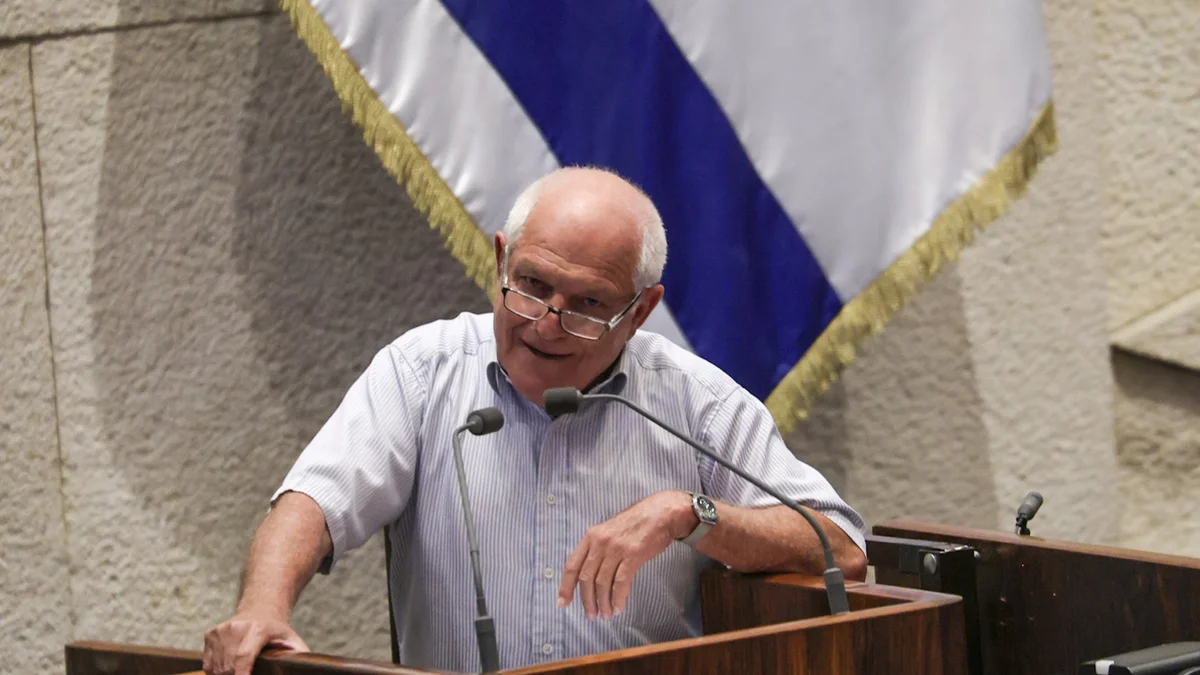
Dr. Keren Assiag Details Likud Offer and Higher Education Ambitions
Dr. Keren Assiag declined Prime Minister Benjamin Netanyahu's offer to run for the Knesset on the Likud list, citing family duties, but accepted a senior higher education role.
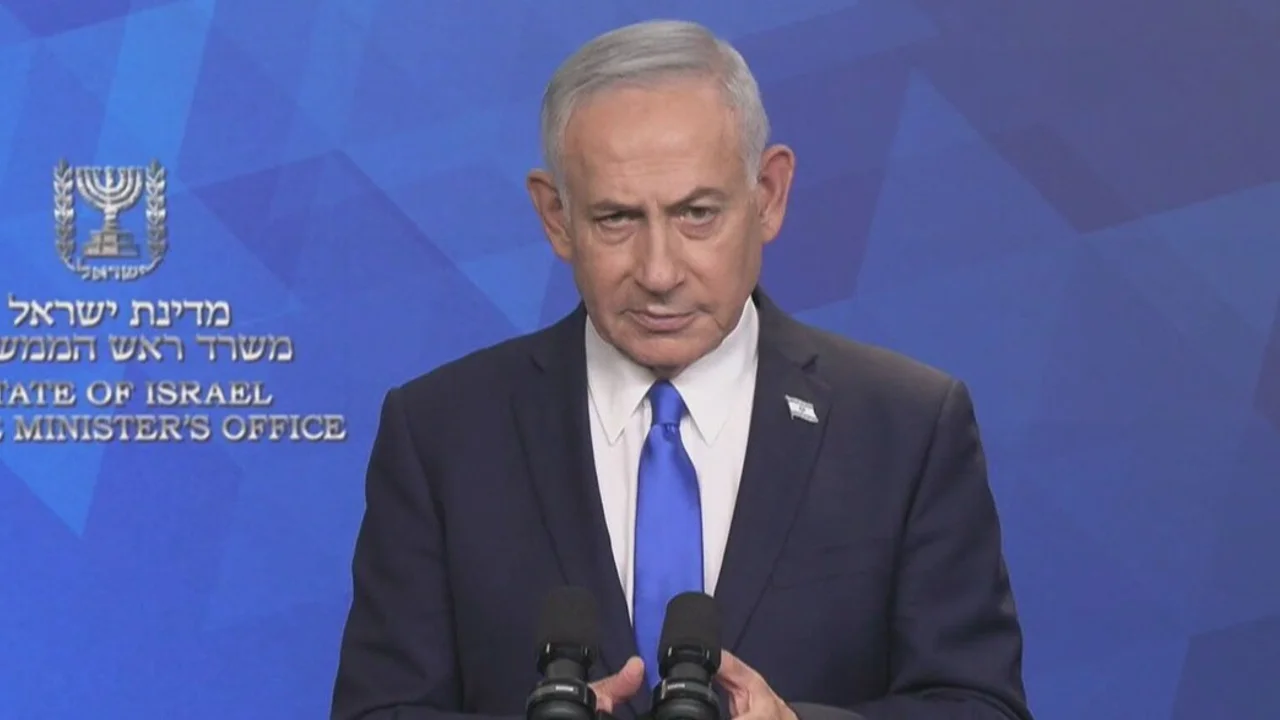
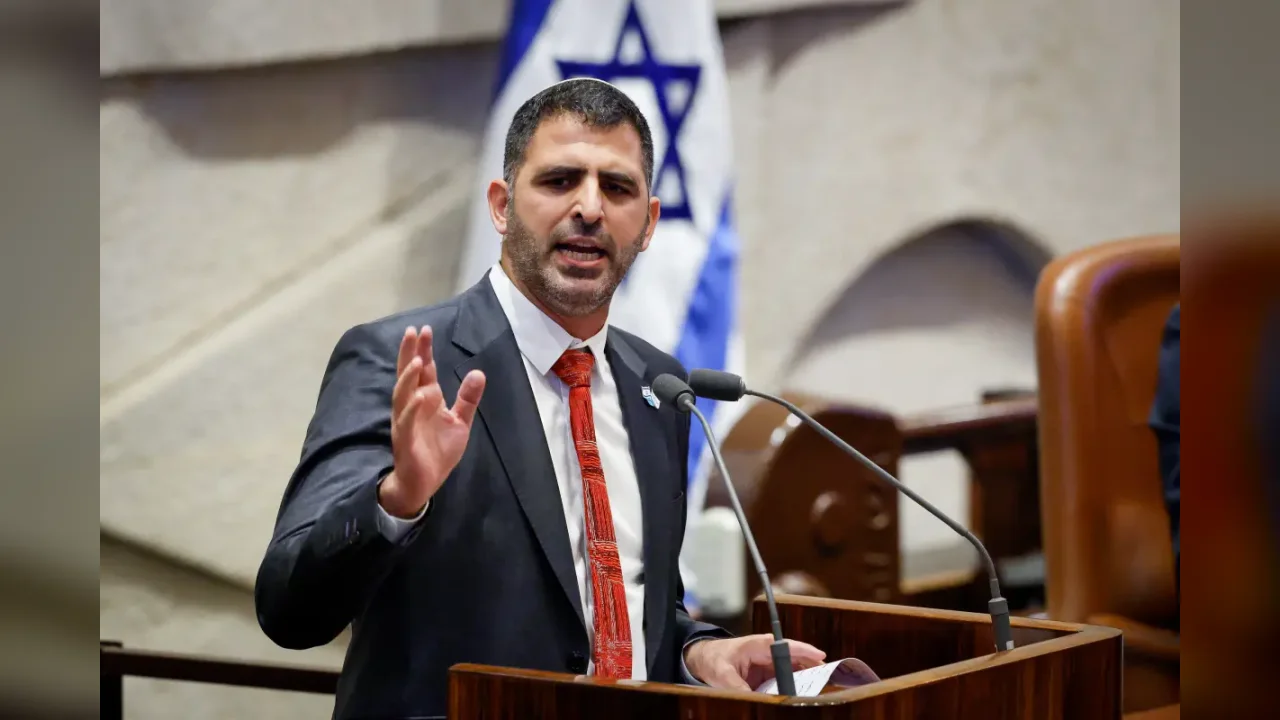
Dr. Keren Assiag, a 37-year-old breast cancer researcher from Tirat Carmel, revealed in a recent interview that she received and declined an offer from Prime Minister Benjamin Netanyahu to run for a seat in the Knesset on the Likud party list. Assiag, the niece of comedians Meni and Shalom Assiag and mother of two, explained that while she was deeply moved by the Prime Minister's trust, her familial commitments as the wife of a reservist who served over 300 days on the frontline made a parliamentary career unfeasible at this stage.
Embracing Executive Roles in Higher Education
Despite turning down a parliamentary run, Assiag accepted a separate proposition from Netanyahu to serve in a senior executive role within the higher education sector, whether as a cabinet minister or another significant public office. Assiag noted that her pivot away from bench research stems from the intense backlash and ostracization she experienced during her postdoctoral studies at the University of Haifa. After publicly criticizing the university rector's remarks regarding supporters of Netanyahu, she encountered a hostile academic environment that ultimately prompted her to leave the traditional academic track.
"I am deeply grateful for the trust the Prime Minister placed in me. While I knew I would not enter the Knesset, I gladly accepted the prospect of contributing through a senior executive role in higher education to support right-wing scholars and professionals who have faced similar public shaming," Assiag stated during the interview.
Reforming the Academic Landscape
Outlining her vision for higher education reform, Assiag emphasized her determination to overhaul institutional priorities if she assumes a position of authority. She proposed replacing affirmative action based on national affiliation with targeted preferences for discharged soldiers and IDF reservists who have dedicated years to defending the country. Furthermore, she pledged to adopt a zero-tolerance policy toward incitement and support for terrorism on campuses, targeting both students and lecturers who participate in radical demonstrations.
Political Perspectives and National Unity
Reflecting on the broader political arena, Assiag expressed concern over the degradation of public discourse and instances where political expediency overshadows the necessity of establishing clear red lines against terrorism. Addressing ongoing coalition dynamics and unity efforts, she maintained that Benjamin Netanyahu remains the historical leader best equipped to navigate Israel's complex challenges. At the same time, she stressed that any future governance framework must preserve the momentum of judicial reform and establish a balanced, independent national inquiry commission to ensure public accountability.