AI Yields to Carpenters: The New Tech Giant Race
Tech giants and AI companies are in a fierce race for skilled manual labor, such as electricians and carpenters. These professionals are essential for building the massive data center infrastructure that AI models cannot yet replace.
Programmers? Out. HR, marketing, and sales personnel? Chatbots are taking over their tasks, and fast. AI companies and data centers are in a new race for manpower that AI models cannot yet replace: electricians, carpenters, and other professionals needed to build the vast computing infrastructure that various companies are setting up these days. They are paying them salaries and bonuses among the highest ever seen in these professions.
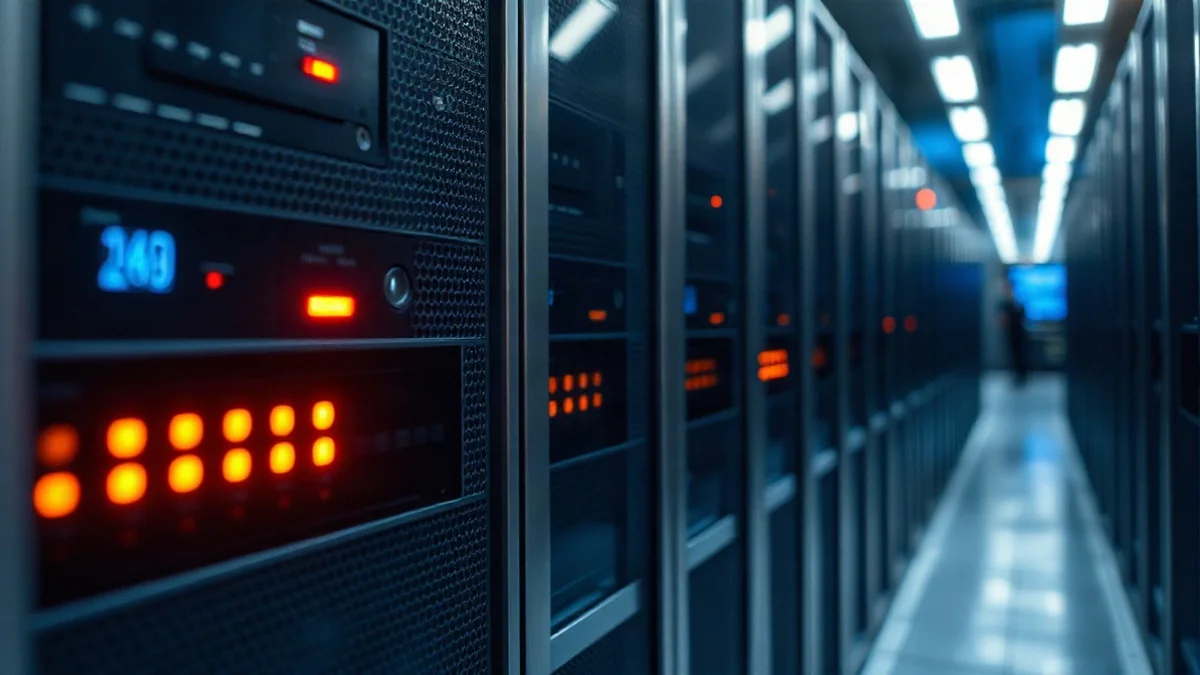
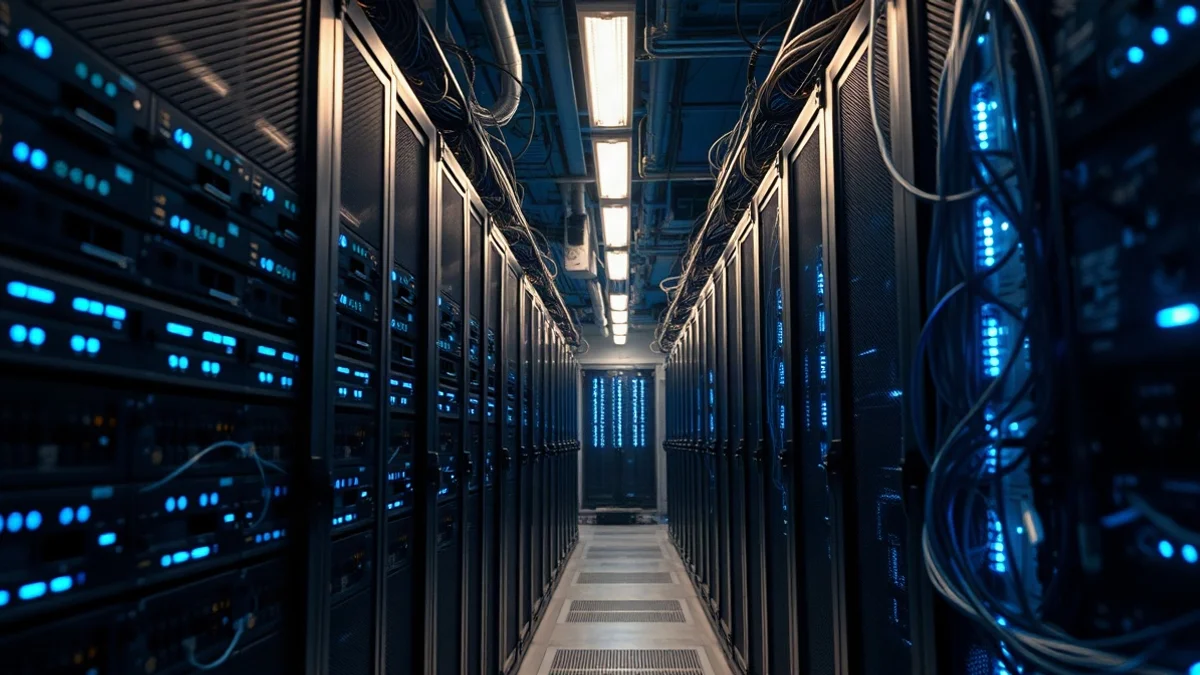
Tech giants Microsoft, Amazon, Google, and Meta are expected to invest nearly $700 billion in AI infrastructure this year. AI companies like OpenAI and Anthropic are investing tens of billions of dollars of their own, with future commitments approaching a trillion dollars. Investment firms are also entering the game: BlackRock is investing tens of billions of dollars in building or acquiring data centers, including a facility in El Paso, Texas. SoftBank is building a mega data center in Ohio at a cost of $500 billion.
All this construction requires enormous resources, ranging from computing power in the form of AI processors, central processors, memory chips, and more, to resources like electricity and water. And there is another resource for which demand is growing: skilled workers such as carpenters and electricians. Now, according to The New York Times, companies are investing hundreds of millions of dollars in training and recruiting these workers, often having to convince them to relocate to the remote settlements where the AI infrastructure is being built.
A significant portion of the investment is focused on training. The IBEW (International Brotherhood of Electrical Workers) union, in partnership with the National Electrical Contractors Association (NECA), operates 270 centers in the US that train tens of thousands of workers. In June, Google announced a partnership with the union's training program, the electrical training ALLIANCE (etA), committing to invest $50 million to support the training of 300,000 workers.
"Building and maintaining infrastructure for America's future requires a massive, coordinated, and skilled workforce of professionals — from welders and installers of complex cooling systems to electricians and fiber optic technicians for setting up advanced networks," said Google.org director Maggie Johnson.
According to etA director Tina Williams, one of the main goals is to avoid a scenario similar to the memory chip market, where demand from AI companies hurt the availability and price of chips for other markets. BlackRock has committed to donating $100 million over the next five years to non-profits and initiatives for training professionals. In March, OpenAI announced a collaboration with the NABTU (North America’s Building Trades Unions) organization, which represents 3 million workers. Meta has allocated $115 million for the first year of a multi-year training program, with 5,000 people participating in the first round.
The demand for skilled workers in the AI industry has offset a decline in demand in other industries: the commercial real estate market in the US has not recovered since the pandemic, home sales are suffering due to high interest rates, and the construction of renewable energy infrastructure has almost completely stopped. According to data from the staffing company Indeed, the relative demand for workers in data centers has grown 3 times in the last three years. The 10 largest tech companies are responsible for 71% of data center jobs, offering salaries 42% higher than those of comparable professionals in other sectors.
For decades, white-collar workers, and especially high-tech workers, looked down on manual laborers. Now, the latter are building the infrastructure that not only makes the former less necessary but also develops the ecosystem that creates the demand for their skills.
Also in Israel: Worker Shortage Threatens AI Boom
Israel is also in a data center boom. According to data from Mordor Intelligence, the data center market in Israel is currently valued at $632.3 million and is expected to register an average annual growth rate of 8.8% over the next five years to $964 million in 2031. This month, the Electricity Authority was forced to freeze for 140 days the processing of new requests for connecting data centers, after their volume jumped to 27,000 megawatts.
This development is overshadowed by a deep shortage of workers in the construction industry. According to a report published by the Bank of Israel, there is a shortage of 30,000 workers in the industry, which led to a 14% increase in wages. Since October 7, restrictions on the West Bank have prevented the employment of Palestinian workers. Although the number of foreign workers in 2025 reached 75,000 and the number of Israelis in the industry has increased by 19% to 267,000, the demand for skilled workers continues to grow due to the increase in housing and data center construction.