The explosion that almost derailed talks: how escalation with Lebanon was averted
The second day of talks between Israel and Lebanon in Rome concluded earlier than planned yesterday following an explosion in the Majdal Zoun area and subsequent border escalation.
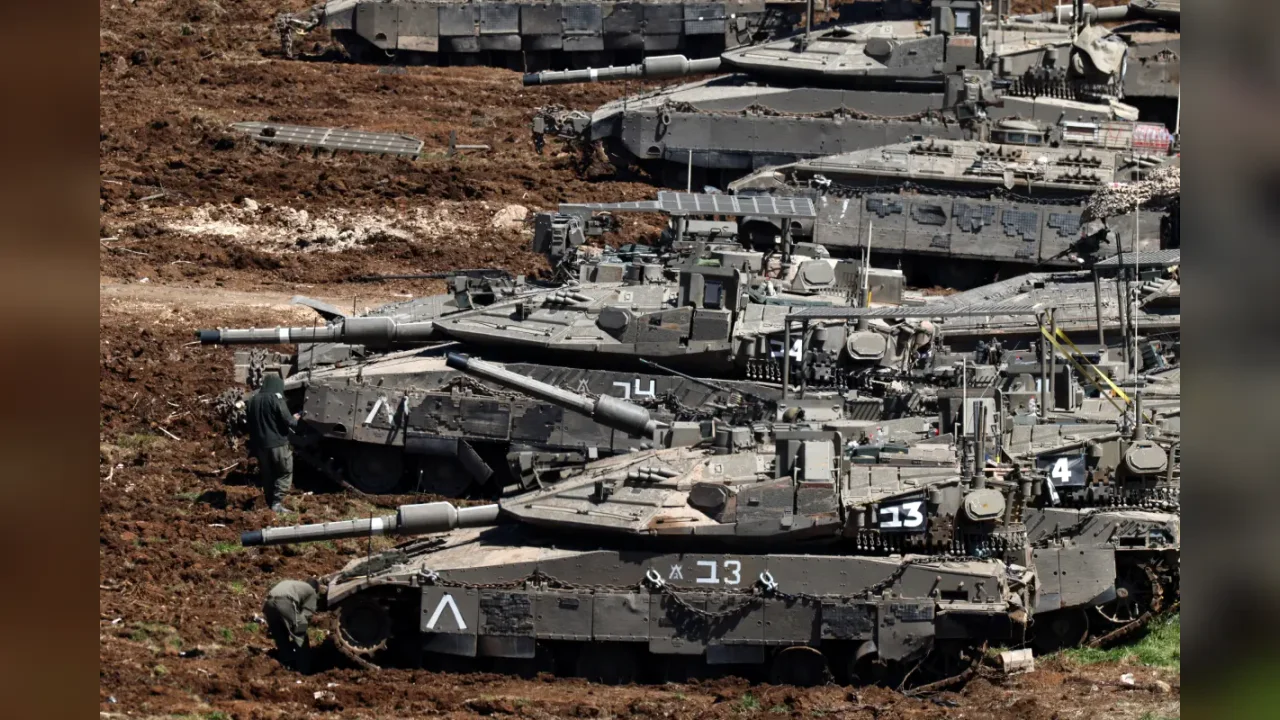
According to reports from Lebanon, a significant portion of the talks between the delegations was dedicated to preventing a large-scale Israeli operation in southern Lebanon. Following an explosion that resulted in the deaths of 2 IDF soldiers, the military ordered the evacuation of the village of Al-Mansouri and struck targets in the area. A US State Department source stated that the talks were "productive" and that, despite the events on the ground, progress was made and discussions are expected to continue.
The Lebanese newspaper "Nidaa al-Watan," identified with the camp opposing Hezbollah, reported that the attack nearly caused the collapse of the talks and that American intervention prevented a wider deterioration. According to Lebanese sources quoted in the paper, Hezbollah's lack of cooperation, coupled with Israel's determination to act against any threat, could lead to a volatile explosion of the situation.
Disagreements over pilot zones and verification mechanisms
At the center of the discussions is Lebanon's proposal to expand the army's deployment in the south and declare Bint Jbeil or Al-Khiam as additional pilot zones. According to "An-Nahar" and MTV, Israel rejected or refrained from responding to this proposal due to concerns that the Lebanese army would be unable to dismantle Hezbollah's military infrastructure. Another dispute concerns the verification mechanism to oversee the implementation of agreements. Reports suggest the US is not interested in conducting supervision itself, Israel is hesitant about the involvement of France and Spain, and Italy is being considered as a possible compromise.
Hezbollah accuses Israel of exploiting the incident. Conversely, "Al-Akhbar" and the "Al-Manar" channel, identified with Hezbollah, claimed that Israel used the explosion as a pretext to pressure the Lebanese delegation and expand strikes in the south. "Al-Akhbar" emphasized that Israel blamed Hezbollah before completing an investigation into the circumstances. The NBN channel, linked to the Amal movement, also presented the incident as an Israeli excuse for continued escalation.
In contrast, independent media outlets, including LBCI and "L'Orient-Le Jour," focused on the gap between the positive atmosphere reported by the Americans and the deadlock regarding withdrawal, disarmament, and oversight mechanisms. As of this morning, talks are set to resume, but events in the south have demonstrated the fragility of the negotiations and how any security incident could quickly return the parties to a broad conflict.