UN Oceans Envoy Lewis Pugh Completes Historic Swim in Strait of Hormuz Amid Conflict
UN Patron of the Oceans Lewis Pugh completed a historic 15-kilometer swim in the Strait of Hormuz, witnessing burning tankers and highlighting severe environmental risks.
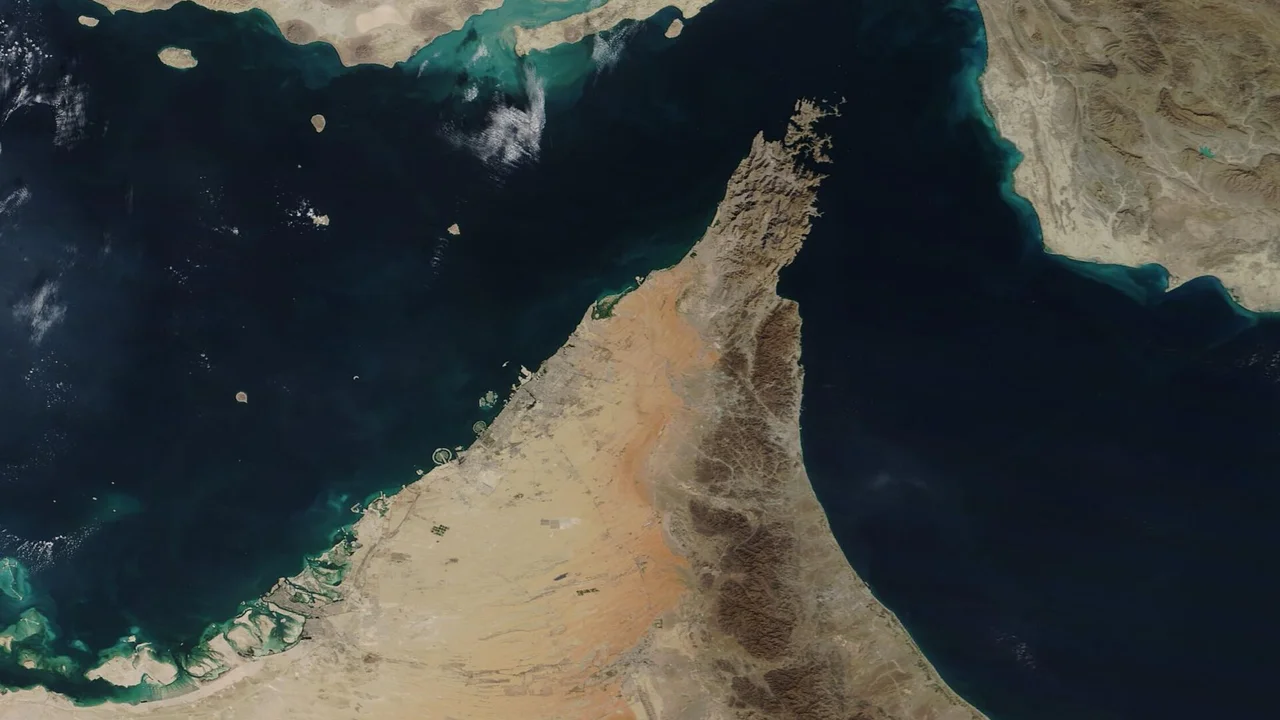
British endurance swimmer and United Nations Patron of the Oceans Lewis Pugh has completed a historic three-day swim across the strategic Strait of Hormuz. The 56-year-old shirtless endeavor, undertaken in a combat zone marked by heightened military activity, aimed to draw international attention to the severe environmental hazards facing the region and its marine life amid escalating conflict involving Iran.
Pugh departed from the Musandam Peninsula in southern Oman and completed roughly 15 kilometers over three days, wearing only swimming trunks, goggles, and a cap bearing the United Nations emblem. His total time in the water amounted to approximately six and a half hours. The initiative marked the first long-distance swim of its kind in the strait since the outbreak of hostilities.
Witnessing Combat and Burning Tankers
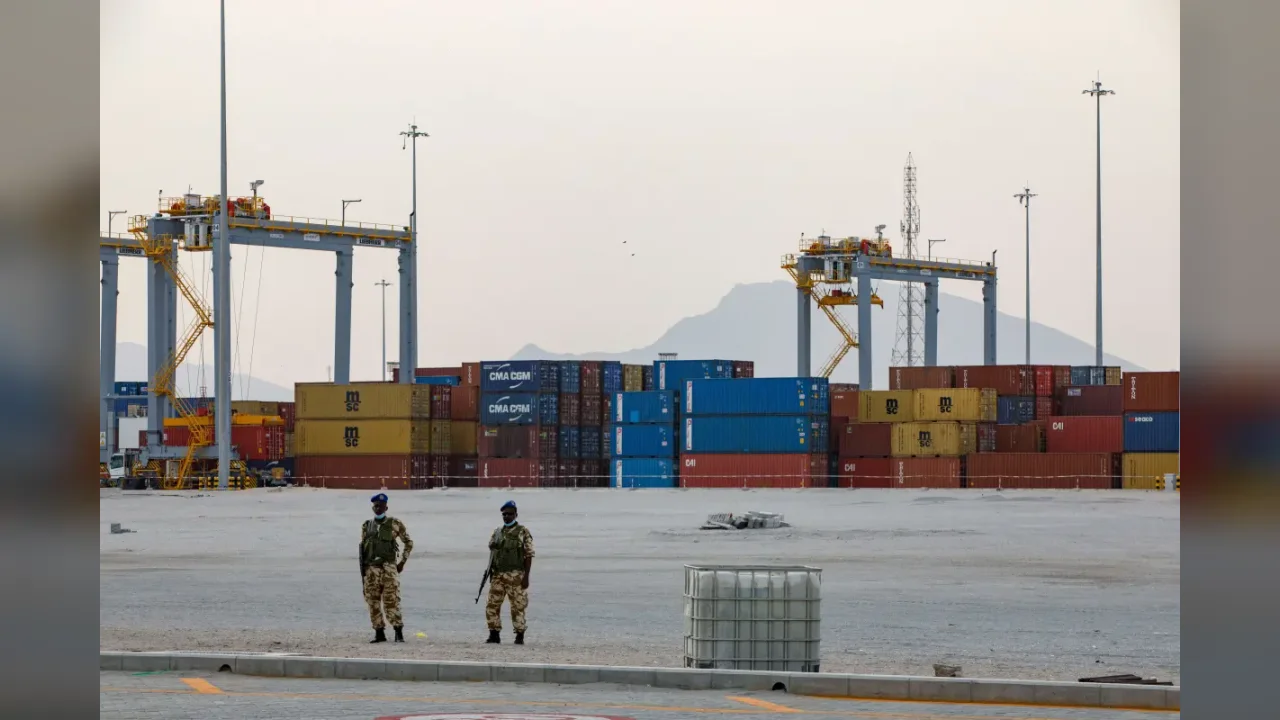
Minutes after entering the water on Monday, Pugh heard two powerful explosions and observed a damaged oil tanker located about four kilometers away. Additional blasts and fighter jets overhead quickly prompted security concerns. Speaking after returning to London, Pugh recounted the alarming start to the expedition, noting that he realized immediately they needed to evacuate the area.
On the second day of the swim, while returning to port, Pugh passed close to a gas carrier that had been struck in a recent attack. He described towering flames and a suffocating chemical odor surrounding the vessel, noting that the water near the burning ship appeared to be on fire. Iran has intensified attacks in recent weeks against vessels navigating the strategic strait, with several commercial ships sustaining damage from maritime mines.
Environmental Threats to Marine Ecosystems
Beyond its role as a vital global energy transit corridor, the Strait of Hormuz represents an exceptionally sensitive ecological zone. Pugh emphasized that the waters sustain diverse marine wildlife, including dolphins, sea turtles, and ospreys, alongside delicate coastal habitats. He warned that dozens of vessels struck since the beginning of the conflict threaten to trigger catastrophic oil spills and chemical pollution.
"I will never forget passing that gas carrier, the smell of chemicals, and the flames that were like fireballs rising into the sky," Pugh stated. "The water around the vessel was burning, and the potential impact of such an environmental disaster is severe." Experts warn that marine contamination in the strait could devastate coral reefs and mangrove forests for generations, as cleaning up chemical and oil spills in active conflict zones remains extremely difficult.
Pugh has dedicated the past four decades to extreme endurance swimming in harsh environments, including Antarctica, the North Pole, the Red Sea, and the English Channel, to campaign for marine conservation and climate action. Describing his efforts as "Speedo diplomacy," he stressed that sports help open dialogue on critical global issues. "My message is very simple," Pugh concluded. "We must stop the war, open the strait, and clean up the pollution."