Trump's 'Taco' Tweets Drive Israeli Security Costs Up by Billions of Shekels
The IDF was on the brink of renewed regional war with Iran due to US President Donald Trump's threats. Constant readiness for combat has already cost Israel 51 billion shekels.
This past weekend, the IDF was at the point closest to renewing the regional war with Iran since its attacks, which lasted about 40 days alongside the US military, were halted in April by a sudden order issued by US President Donald Trump to Prime Minister Benjamin Netanyahu.
Trump's sharp messages, via his social network Truth, about the imminent renewal of the campaign with the bombing of infrastructure used by Iran's energy sector, and the latter's threats to respond by attacking energy facilities of the Persian Gulf states and Israel, including gas rigs in the Mediterranean, put the IDF and the security establishment on alert for the renewal of the campaign within hours and at a total cost of hundreds of millions of shekels.
This involves the urgent mobilization of Air Force pilots, technical arrays, and ground crews, increasing the readiness of the air defense array to intercept missile barrages on their way to hit vital infrastructure and the home front, the mobilization of intelligence units and Home Front Command rescue teams, and further reinforcement of forces on the northern border and in Lebanon to a state where renewed flare-ups with Iran would ignite the front against Hezbollah even more intensely.
On the night between Saturday and Sunday, similar to about five rounds of alert against Iran that Trump created while threatening to renew the campaign that was stopped on April 8, he posted a calming message about returning to the negotiating table and about the Iranians' supposed desire for an agreement. The cost of the war has jumped to 51 billion shekels.
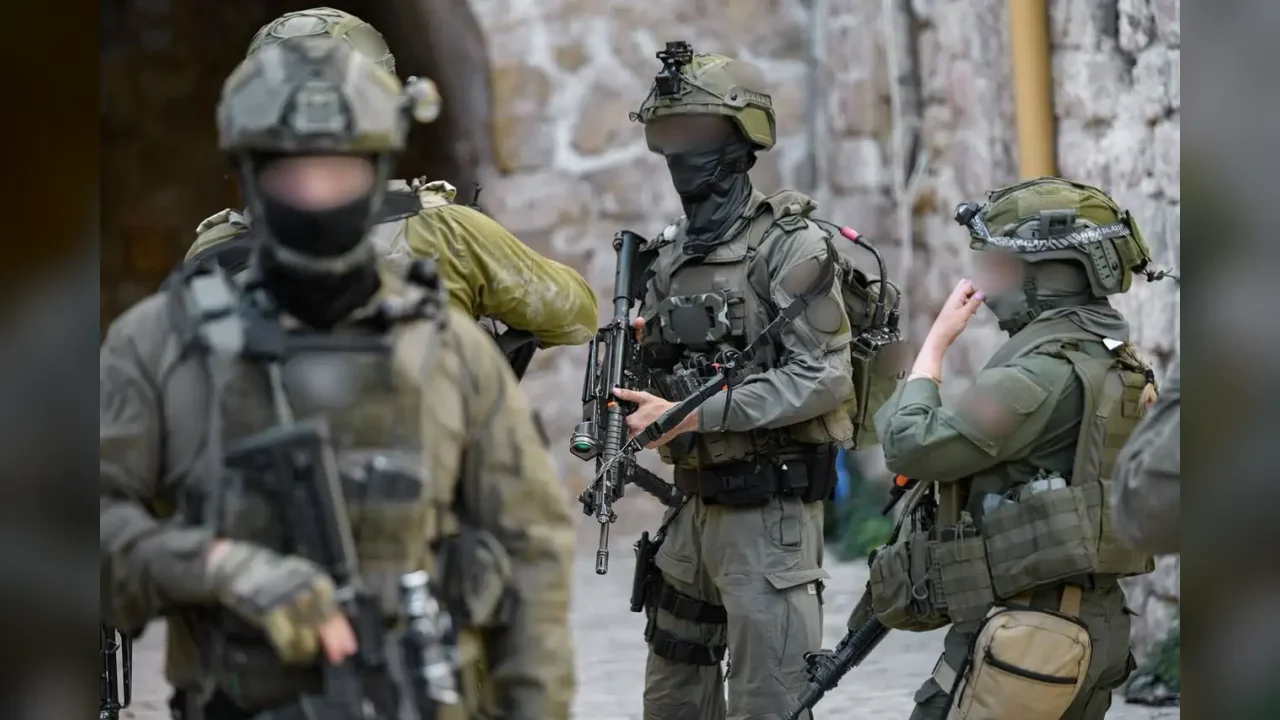
Every such alert carries a price tag, even without the IDF firing a single 5.56 mm bullet. This involves the mobilization of tens of thousands of reservists, urgent completion of necessary stocks in accordance with planned attack scenarios, and the movement of forces and assets. This is while the IDF is deployed with its forces in security zones in Gaza, Syria, and Lebanon, and against the backdrop of the fear of rapid deterioration and severe escalation, it is forced to keep dozens more battalions in the territories.
About two months before the three-year mark of the longest war in its history, the IDF is dealing with an acute shortage of soldiers; it is short about 12,000 regular soldiers, mainly for combat roles, at the same time that the government is legitimizing the continued evasion of the ultra-Orthodox from recruitment, and a multitude of fronts and threats while the reserve array is continuously eroded. The whims of the US President, whose conduct resembles the boy who cried wolf more than the responsible and decisive conduct expected of a leader of a superpower, are already becoming a challenge in themselves that costs money. And this is money that does not exist.
When the budget department staff at the Ministry of Defense and the IDF calculate the costs of the ongoing war, alongside the expenses for additional "alertness" or "readiness," the calculators show alarming numbers. From their perspective, even these days they are inside the Second Iran War that began at the end of February, became complicated with Lebanon, and rolled into the "17-hour battle" last June in which Iran launched more than 20 missiles at Israel in response to its attack in Dahiyeh in Beirut. This short round alone cost Israel about half a billion shekels, an expense that includes the flight hours of Air Force planes and the use of interceptors launched at the Iranian missiles.
If in mid-April the security establishment estimated the military cost of the Second Iran War at 39 billion shekels, the number has already moved up so that at the beginning of the week it stood at 51 billion shekels. All this, to one's frustration, without Israel's strategic situation improving by even one degree. IDF forces continue to be eroded on the fronts, as are the reservists who are called again and again for long periods and at huge costs. If the IDF's plans at the beginning of the year spoke of limiting the number of reservists serving each day in 2026 to about 40,000, in practice their number stands at about 65,000. The working assumption in the IDF is that the deployment of its forces in the security zone in Lebanon will continue at least until the end of the year.
The exceptional situation in which the IDF and the security establishment find themselves is also expressed in frequent confrontations, which also lead for the time being to a dead end, with the Ministry of Finance. The Ministry of Defense has been waiting for about a month for the budget department in the Treasury to act in the spirit of the agreements reached after long negotiations mediated by the National Security Council (NSC) to increase the 2026 defense budget by about 40 billion additional shekels. After this increase, Israel's defense budget is supposed to stand at 183 billion shekels, covering the costs of the Second Iran War and to allow at least partial repayment of the debts accumulated in the Ministry of Defense to the defense industries, the scope of which is over 15 billion shekels.
The agreement on increasing the defense budget includes the immediate transfer of 15 billion shekels from the Ministry of Finance's reserves, while the discussion on the balance, in the amount of 25 billion shekels, is supposed to take place in October and November, and decisions on transferring the money will be made in accordance with the army's expenditure scope. In the security establishment, they complain that not only have the amounts that the Treasury promised to transfer immediately not yet been transferred, but the agreement according to which the Ministry of Defense would be given authorization to commit on the basis of a sum of 350 billion shekels that the Prime Minister set as an addition to the base defense budget over a decade, has not yet been given. This is an authorization to commit to long-term procurement of weapon systems. A delay in transferring these orders could delay by years weapon systems and assets that the IDF needs urgently. In the Treasury, they promised last week that "the money will be transferred within a few days"; in the Ministry of Defense, they have already heard this promise more than once and continue to wait for the money.