Trump's tariffs hit Next Vision stock — it is highly doubtful they will harm the company
US President Donald Trump's executive order imposing tariffs on drones has caused Next Vision's stock to drop by 5.7%. However, experts question the severity of the impact, as the company is already planning to localize production in the US.
At least in the case of the Israeli company Next Vision, the executive order by US President Donald Trump to impose tariffs of 25%-100% on drones and related components imported into the US is pushing on an open door. The strategic plan of the company, founded by Chen Golan, Boris Kipnis, and Michael Grossman, includes starting the production of stabilized cameras for drones in the US as early as the first quarter of next year. This follows the company's launch of a production line in a European country last year, with future plans to manufacture in India as well.
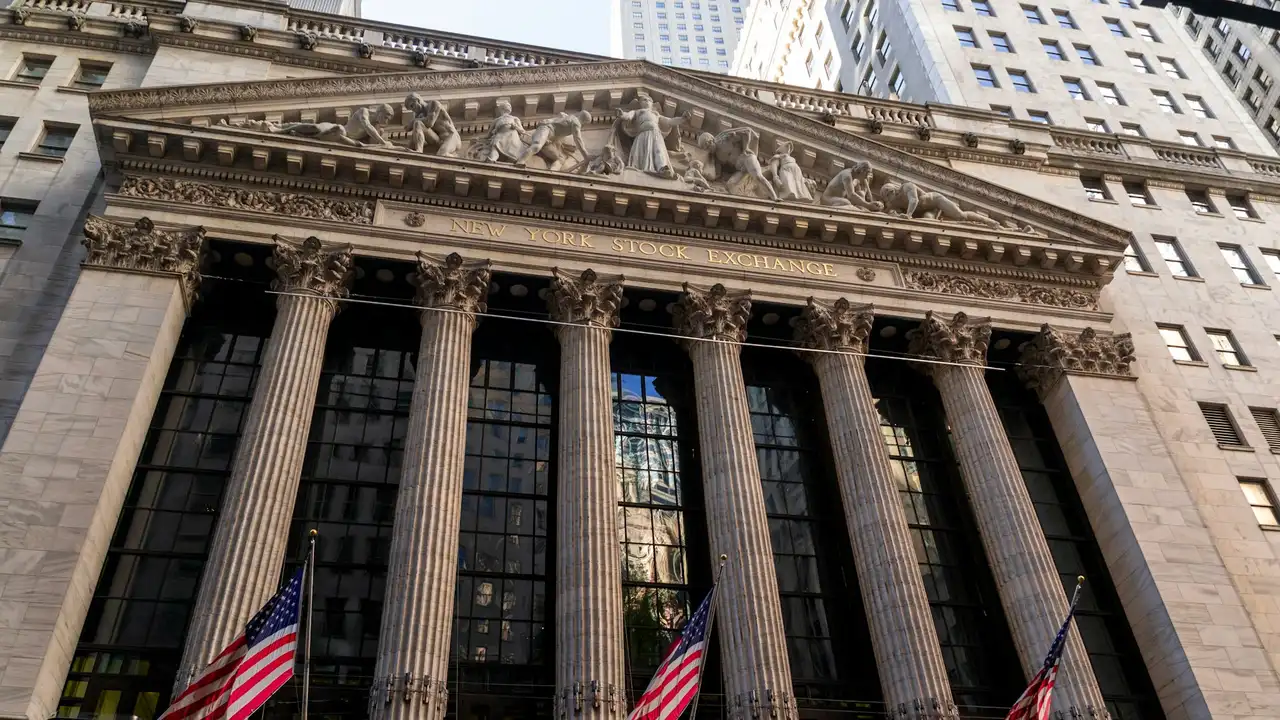
Today, Next Vision's exports to the US market account for 27% of its operations and are considered one of its main growth engines. Trump's presidential order alarmed Next Vision investors — some sold off their holdings, causing a 5.7% drop in the stock on Friday on the Tel Aviv Stock Exchange. This came just days after the company reported strong performance for the second quarter of 2026, and on Thursday announced an order received from one of its clients totaling $5.6 million, with 30% paid to the company as an advance.
Next Vision's revenue for the quarter jumped by 138% compared to the same quarter last year, totaling more than $88 million, while its net profit surged by 125% compared to the same quarter, reaching $53.6 million. Although Israel is not included in the list of countries eligible for tariff exemptions under Trump's order, it is evident that his moves on the matter are aimed primarily at the global dominance of the Chinese drone industry. Next Vision is included in the Blue UAS list — a list documenting the types of drones and unmanned aerial vehicles approved and monitored by the US Department of Defense — and due to its inclusion, the application of the presidential order to the company will be delayed by 180 days.
The order also establishes an incentive mechanism for companies seeking to import components and production equipment duty-free into the US, in preparation for the establishment of drone factories on American soil.
"A stone thrown into a pond keeps creating ripples, and this is while it is still unclear what actually happened here, what the significance of the presidential order is, and what the impact of such a move is on a company like Next Vision, which in any case intends to start manufacturing at the beginning of next year in the US market, according to its orderly plan," assessed a senior figure in the drone market in a conversation with Calcalist.
Although a significant portion of Next Vision's revenue comes from the US market, its reports indicate that the administration's moves over the last two years to impose import tariffs on goods entering the US have had a minimal impact on its business results, if any at all.