The Kurds Are Coming: The Team That Will Ignite the Turkish League
The Turkish league, opening next Friday, is a hotbed of drama. At the center is the rise of Amedspor to the top flight, serving as a sporting litmus test for the historic peace process in Turkey.
The Turkish league, which opens next Friday, has been a volcano of stories in recent years. One drama follows another: fan violence, a club president punching a referee, big teams threatening to withdraw, teams walking off the pitch, the cancellation of the Super Cup in Riyadh over Ataturk-themed warm-up shirts, the arrest of Sagiv Jehezkel, and a massive illegal betting scandal.
In the big three sector, Besiktas has been in chaos since their 5:0 Super Cup win in 2024, cycling through five coaches and finishing fourth twice. They hope Vincenzo Italiano will turn things around. Meanwhile, Aziz Yildirim has returned as president of Fenerbahce, aiming to stop the Galatasaray express, which has won four consecutive titles and threatens to become a Turkish Bayern Munich.
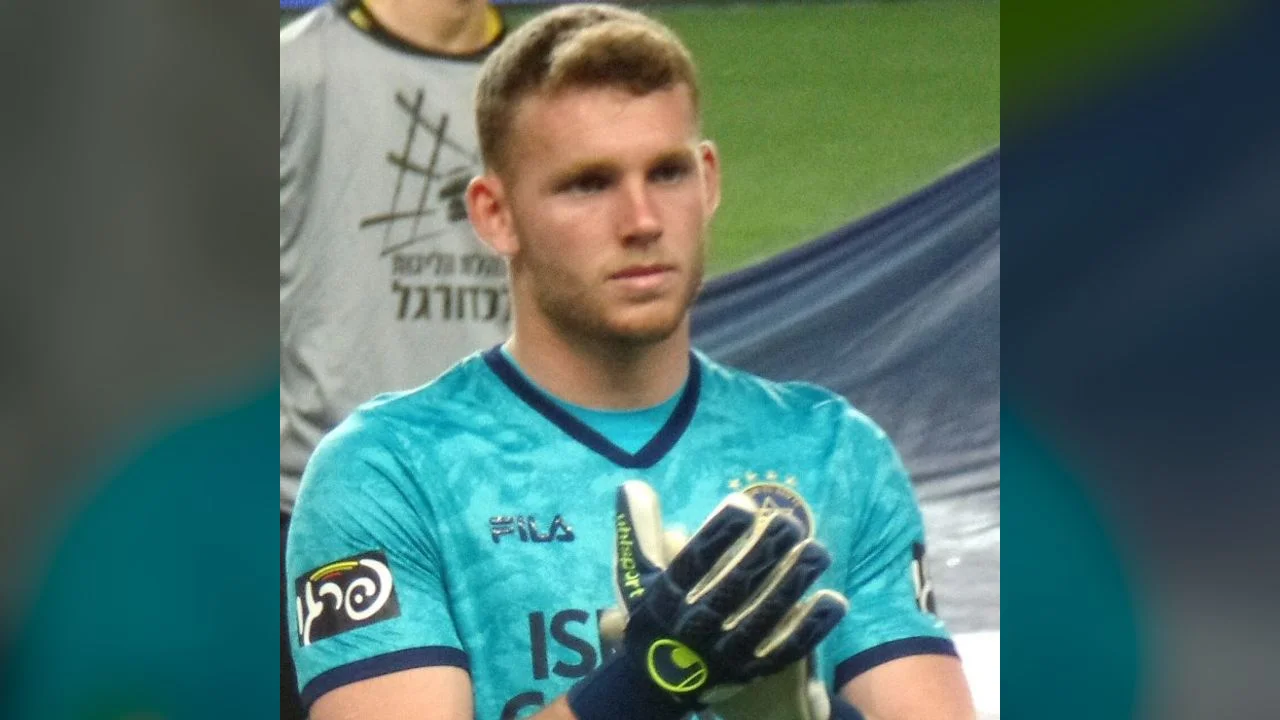
However, these are secondary stories. At the center is Amedspor, which was promoted to the top flight last season. Hailing from Diyarbakir—the unofficial Kurdish capital known as Amed—the team is set to ignite every stadium it visits. Adding to the tension for Turkish nationalists is the presence of Dia Saba, the Israeli national team player, on the roster.
One must view Amedspor's rise through a socio-political lens. In November, a parliamentary delegation visited Abdullah Ocalan in prison, marking a breakthrough in rapprochement. Erdogan seeks a terror-free state, and the Kurdish underground has signaled a willingness to lay down arms. Just a year and a half ago, Amedspor was perceived as a proxy for a terrorist organization; today, their promotion is a litmus test for a historic peace process.
The shift is best exemplified by Devlet Bahceli, the ultra-nationalist leader and Erdogan's coalition partner. In 2023, he denied the club's existence under the name "Amedspor." By May 2026, after their promotion, he welcomed the achievement as a contribution to unity and fairness. Founded in 1972 as Diyarbakir and renamed in 2014, the club endured years of harassment, fines, and bans on away fans. Now, with Amedspor in the Super Lig, the radical right has surprisingly welcomed them. Perhaps this indicates Erdogan's willingness to make concessions to the Kurdish people. Sometimes, it is just football—11 against 11—but other times, sport serves as the stage for a much deeper historical transformation.