Groundwater could flood hundreds of high-rise buildings in coastal cities
Dr. Gil Proactor warns that rising sea levels and groundwater threaten the foundations of buildings along Israel's coastal plain. The lack of a national climate strategy puts critical infrastructure at severe risk.
Dr. Gil Proactor, a former senior official at the Ministry of Environmental Protection who led the climate division, warns that the thousands of deaths in Europe during recent heatwaves are just the beginning. "The scientists' warnings are coming true in the most severe way. Extreme records are being broken in the USA, East Asia, and Australia, and this will reach Israel too. These are the results of a super El Niño that has become extreme due to man-made climate change."
Israel is unprepared for climate challenges
When asked about Israel's readiness, the expert is clear: "In terms of results, Israel is not prepared. There is no approved and budgeted national plan, and no legislation requiring government ministries to formulate plans to deal with climate risks. Israel is not meeting its emission reduction targets, and the lack of climate legislation means there is no clear obligation for the government to be accountable to the public."
Israel is in a region warming 20% faster than the global average. Within a few years, being outdoors will become dangerous. Extreme weather is already impairing critical systems, including electricity, transport, and healthcare.
Infrastructure risks: from warped tracks to flooded foundations
"Temperatures considered extreme today will become the average in a few years. At 35 degrees in the shade and much higher in the sun, railway tracks soften, forcing speed restrictions to prevent derailments. Electricity infrastructure is also not designed for such prolonged heat; there is a 10-15% decrease in the available production capacity of gas power plants exactly when electricity demand is at its peak."
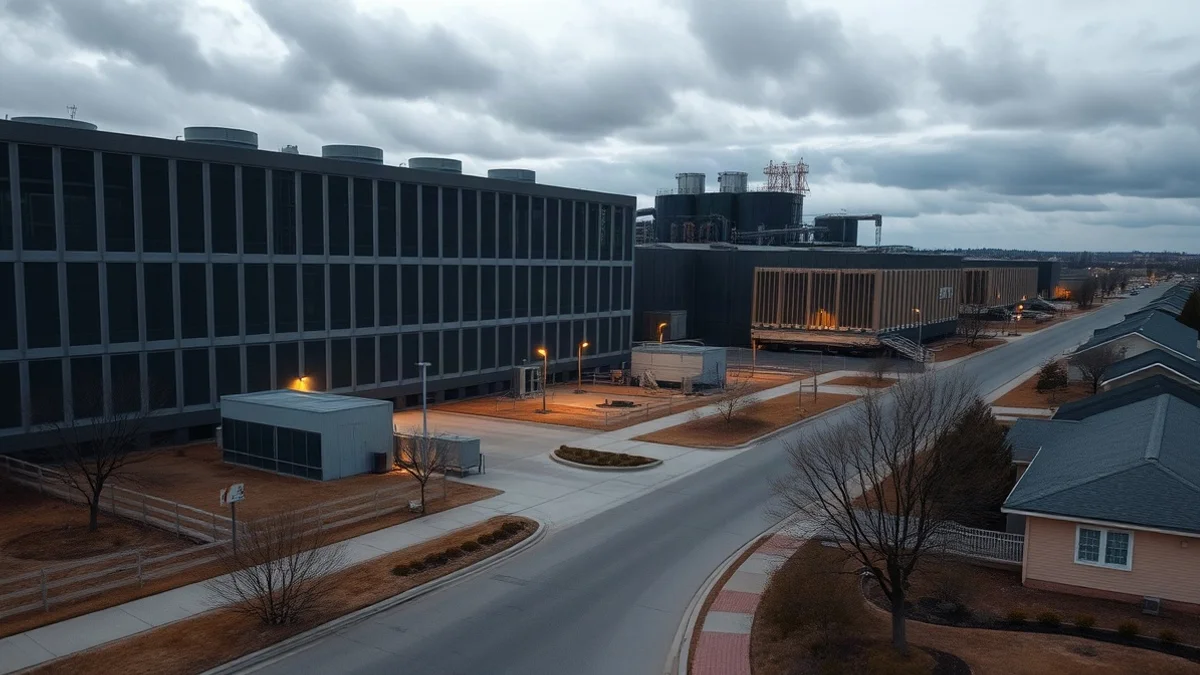
There is another danger rarely discussed: the rise of groundwater. "As the sea rises, saltwater penetrates the coastal plain. Fresh groundwater is pushed upward, which will flood the foundations of infrastructure and high-rise buildings located tens of meters underground. We are talking about the entire urban strip of the coastal plain. Hundreds of high-rise buildings will have their foundations submerged, a danger that requires immediate changes in planning and construction methods."