IDF Considers Capping Reserve Duty at 58 Days Amid Force Restructuring
The IDF General Staff forum is weighing a cap of 58 reserve duty days per year and fewer active deployments. Meanwhile, Chief of the General Staff Lt. Gen. Eyal Zamir stressed that expanding service across society is an urgent operational necessity.
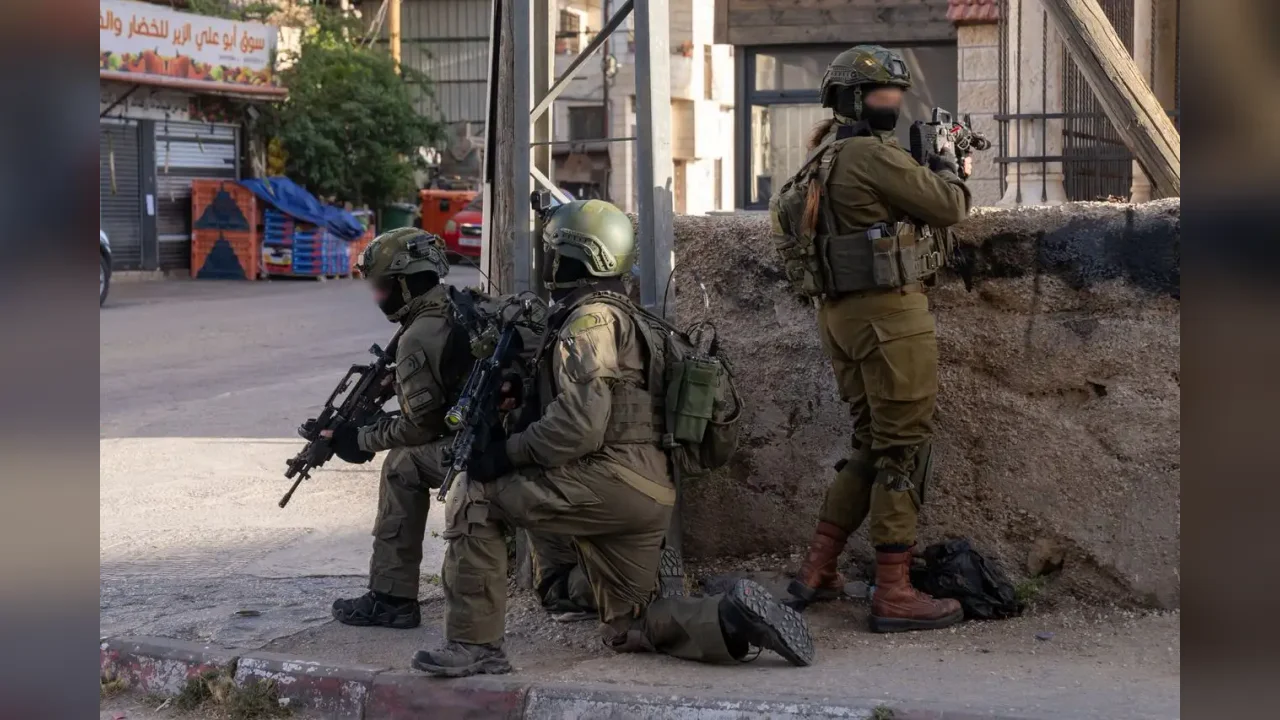
The General Staff Forum of the IDF is scheduled to discuss reducing the reserve duty quota for the upcoming year, with an emerging cap of no more than 58 days annually per reservist. Alongside this measure, military planners are preparing to scale down the number of active reservists deployed at any given time, which currently stands at just under 50,000 personnel. Implementing this reduction will require the military to downsize its force structure across several sectors and maintain defensive positions with reduced manpower.
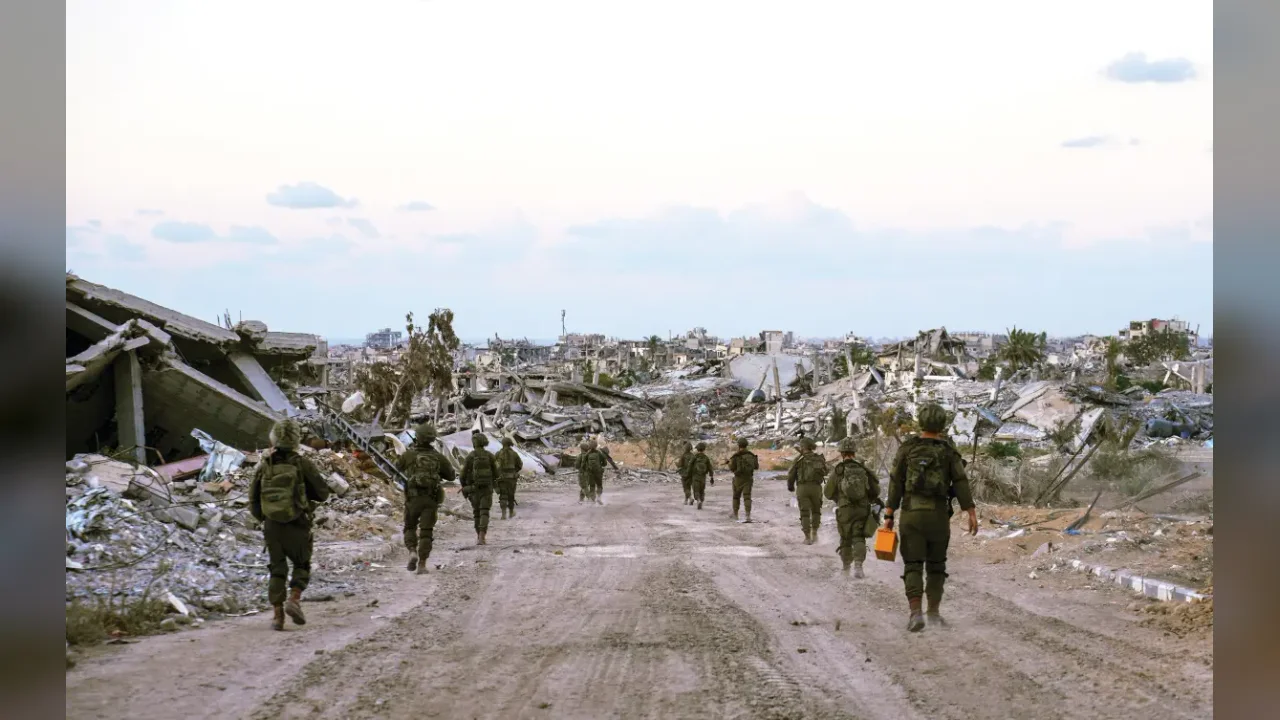
This proposed adjustment remains contingent upon regional stability and assumes that no extraordinary escalation occurs across any theater. Currently, the military maintains forward defensive postures inside the Gaza Strip—where approximately 40 outposts are held—as well as within a security buffer zone reaching roughly 10 kilometers inside Lebanese territory, alongside ongoing operations in Syria. Since the October 7 attacks, reservists have been called up for hundreds of days across repeated rotational waves. Late last year, the military attempted to cap active reservists at 40,000, but subsequent operations and the establishment of the security zone in southern Lebanon drove personnel numbers and individual service days significantly higher. Officials noted that while these directives are not yet finalized, they reflect the current operational trajectory.
Chief of the General Staff Emphasizes Operational Necessity
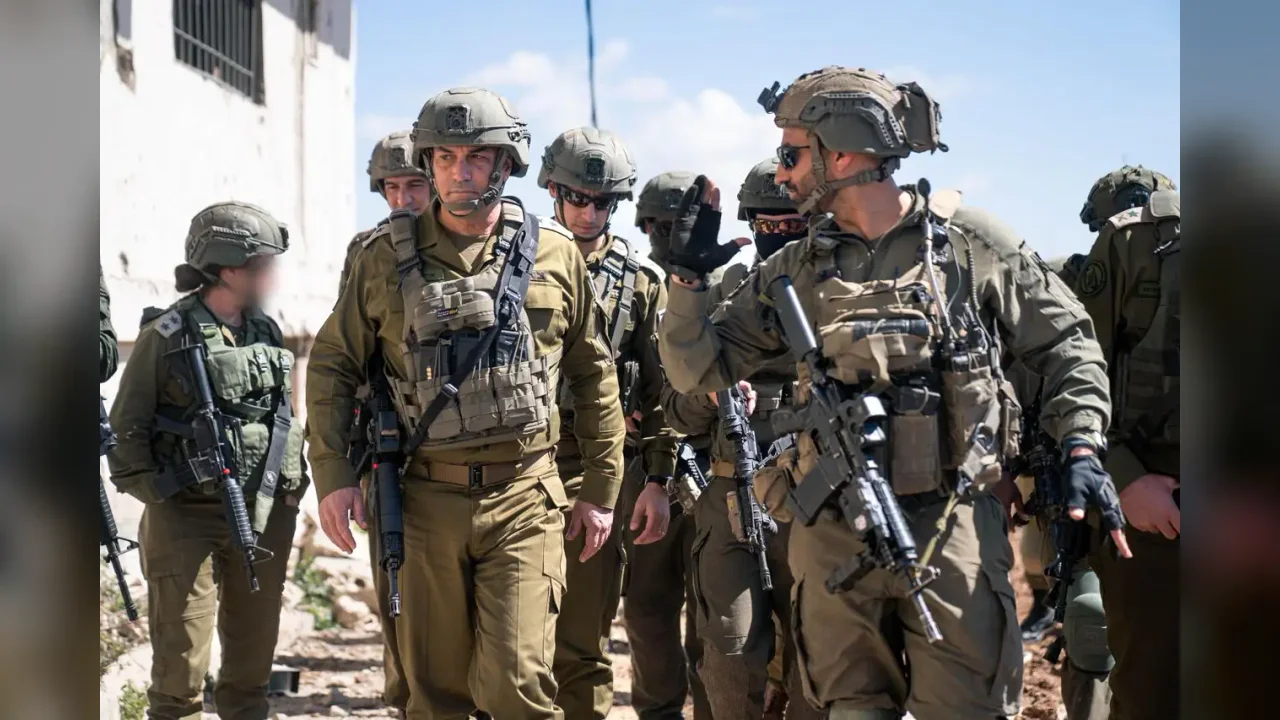
Addressing a memorial ceremony for David Ben-Gurion at Sde Boker earlier in the day, Chief of the General Staff Lt. Gen. Eyal Zamir stressed that expanding military service to all segments of Israeli society is first and foremost an operational imperative driven by troop shortages and the heavy burden borne by reservists. He called for a more equitable distribution of the national security burden, framing the initiative as both a tactical necessity and a state mission.
"When we speak of the 'people's army,' we are addressing first and foremost an operational requirement—the IDF must expand, and the IDF lacks combat personnel; that has not changed. This is a distinct operational and functional necessity," the Chief of the General Staff stated. "Alongside this lies a national and state necessity. We are all partners in this mission, we all share the privilege of defending the country, and we are all part of the Israeli mosaic."
Zamir underscored that widening the recruitment base is designed to alleviate the strain on the reserve corps. The concept of the people's army remains vital amid ongoing combat and the immense sacrifices made by soldiers, encompassing both regular and reserve formations. Expanding service across all communities will distribute operational strain evenly and provide substantial relief to reservists.