Trump's Zigzag Keeps the IDF on Edge: "Difficulty in Allocating Tasks"
The unpredictability of US President Donald Trump's decisions regarding Iran is forcing the IDF to maintain constant high alert levels. This creates significant logistical and operational challenges for the Israeli military.
The inability to predict what US President Donald Trump will decide regarding Iran is creating a chain of internal events in the IDF and is keeping the military system on edge time and time again. In the security establishment, there is growing concern that in the long run, this conduct could harm the ability to maintain the various formations at peak readiness for an extended period.
Just in the last two weeks, a powerful American strike on strategic targets in Iran was expected, which led to another increase in alert levels in Israel. This past weekend, the alert increase was even more significant and included a targeted mobilization of various Air Force units, until Trump again canceled a massive attack following threats posted on his social media.
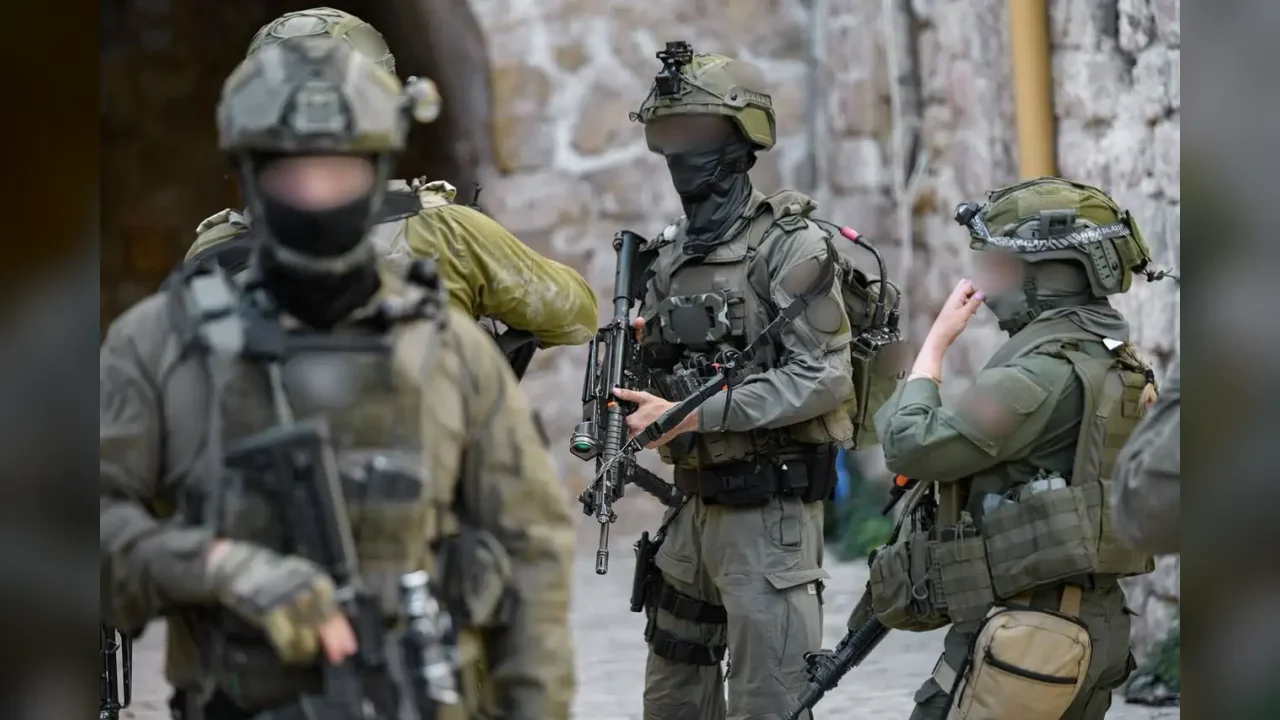
Signals from Washington have a direct impact on the management of the IDF's core forces, especially when divisions are operating simultaneously in southern Lebanon and the Gaza Strip. To this, one must add the security heating up in Judea and Samaria, where 26 battalions are currently operating. The Central Command has already approved plans for pinpoint operations on the ground, with some cases involving prolonged operations of 48 hours or more.
This comes against the backdrop of statements by Prime Minister Benjamin Netanyahu and Defense Minister Israel Katz, who instructed the IDF to prepare for the conquest of another refugee camp. Such a move requires forces not only to conquer the camp but also to create the ability to hold it for a long time. In addition, such an action requires the use of intelligence and air assets — the very same resources that are unavailable or only partially available when the entire system is mobilized and on alert for a confrontation with Iran.
A senior security official explained the dilemma: "In the current situation, the Iranian arena stands above all else, and all resources are directed toward it. But when it is unclear what they will decide in the White House, a real difficulty arises in the division of tasks and resources." Despite the complexity, military officials emphasize that cooperation with the American "partner" is a historical asset, and the advantages it gives Israel far outweigh the difficulties of creating readiness under changing decisions.
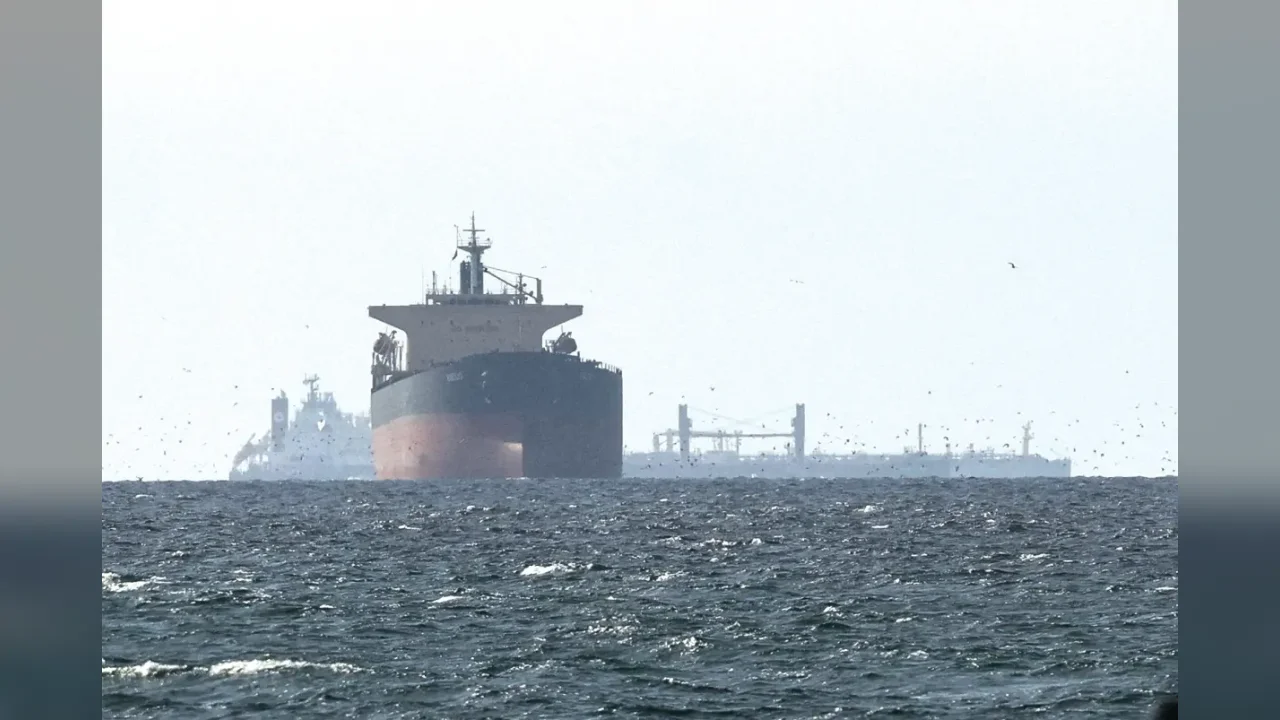
There is also frustration in the Gulf over the zigzag. Reports indicate that not all Gulf states were in favor of stopping Trump's major attack on Iran. The UAE, for example, worked with Trump to carry out a broad attack, while Saudi Arabia, fearing retaliatory strikes on its oil infrastructure, urged de-escalation. According to the Wall Street Journal, Trump canceled the planned attack after Iranian negotiators responded positively to a new proposal from Qatar to open the Strait of Hormuz.
In a statement released tonight, Trump unexpectedly announced that he had decided to cancel an American attack planned in Iran, after Tehran and other countries in the Middle East asked him to refrain from the action, citing that the "outlines" of a possible deal had been reached. "The US is prepared and ready to act against the Islamic Republic of Iran with levels of terror, power, and military force not seen since World War II," Trump wrote on Truth Social. "Nevertheless, we have just been asked to refrain from any attack, because the outlines of a deal have been agreed upon."