"The budget hole" in the IDF and mounting pressure: The government may cause sensitive deals to collapse
After about three years of intense fighting, the IDF and Ministry of Defense's "budget hole" is estimated at 40 billion shekels, primarily due to reserve duty expenses. Amid this, there is internal criticism of the Manpower Directorate for inefficient management of reserve quotas, with calls for sharper cuts.
After about three years of intense fighting on several fronts simultaneously, the "budget hole" of the IDF and the Ministry of Defense is estimated at about 40 billion shekels as a result of expenses for current operations, with an emphasis on paying for reserve duty days. Against the backdrop of this issue, there is criticism within the army regarding the Manpower Directorate, which is not managing the quota of reserve days efficiently, and the directorate is required to cut more sharply.
It should be noted that the volume of reserve duty reached a daily average of 51,000 soldiers, with the current target being 45,000 reserve soldiers, and subsequently 40,000, subject to political progress in the Gaza Strip and in Lebanon.
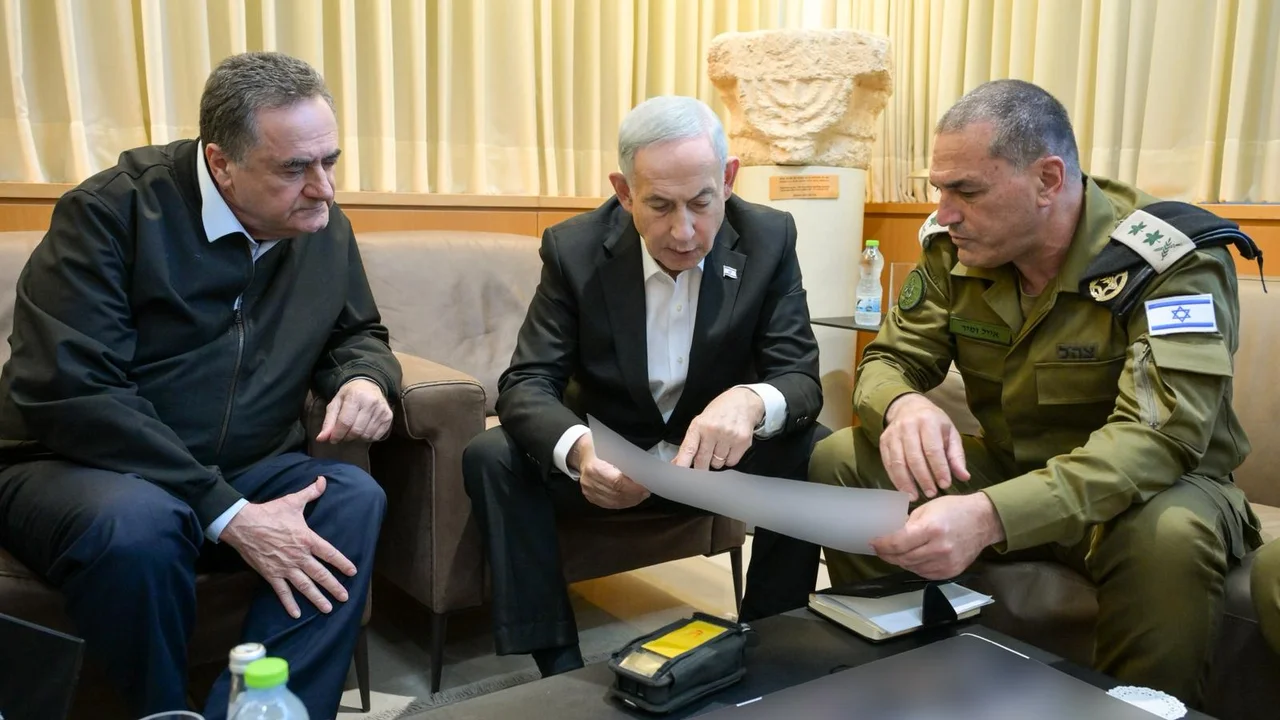
Prime Minister Benjamin Netanyahu acknowledged the budget gap and instructed about five weeks ago to immediately transfer 12 billion shekels and another three billion shekels thereafter, but they have not yet been transferred. The Ministry of Finance claimed that the remaining gap of 25 billion shekels would be deferred to a settlement around October-November.
A second burning issue on the agenda is the Prime Minister's decision to approve 350 billion shekels for force buildup. After another in-depth discussion, it was approved that in the first stage, the IDF and the Ministry of Defense would contract with industries in the amount of 131 billion shekels. Especially to promote the purchase of two fighter squadrons, a fourth F-35 squadron and a second F-15 squadron. But then the 'numerator' issue came into play, a budget control mechanism for measuring the deficit in the next three years, which has not yet been decided upon, and therefore all sensitive procurement deals are delayed.
Walla has learned that the delay is a result of the Ministry of Finance's demand from the Prime Minister to increase the numerator legislatively due to the increase in the budget deficit.
The IDF and the Ministry of Defense are exerting pressure on the government to advance the issue because there are critical procurement deals on the agenda in the field of munitions for aircraft, fighter jets, attack helicopters, space developments, and more. If these are not signed in the next two weeks, the slots on the production lines will be given to other foreign countries, the Knesset is supposed to disperse and go on recess, and there will be political consequences against the backdrop of the elections, and the delay will be much greater.
All this is against the backdrop of gaps that have been created in the field of munitions and the aging aerial order of battle. And this is even before dealing with force buildup in the ground arm, which includes thousands of new jeeps and additional armored vehicles.
It was also learned by Walla that the budget framework for the purchase of the new Apache helicopters was approved, but for the IDF, it is much more urgent to promote the legislation for the needs of munitions, space developments, and fighter jets.
At this stage, a dialogue was conducted with American companies and the Department of Defense to advance the deals without paying all the money at this stage and to defer payments to the year 2030 under reasonable conditions for Israel, including interest, but there is no progress and the parties have not reached agreements.