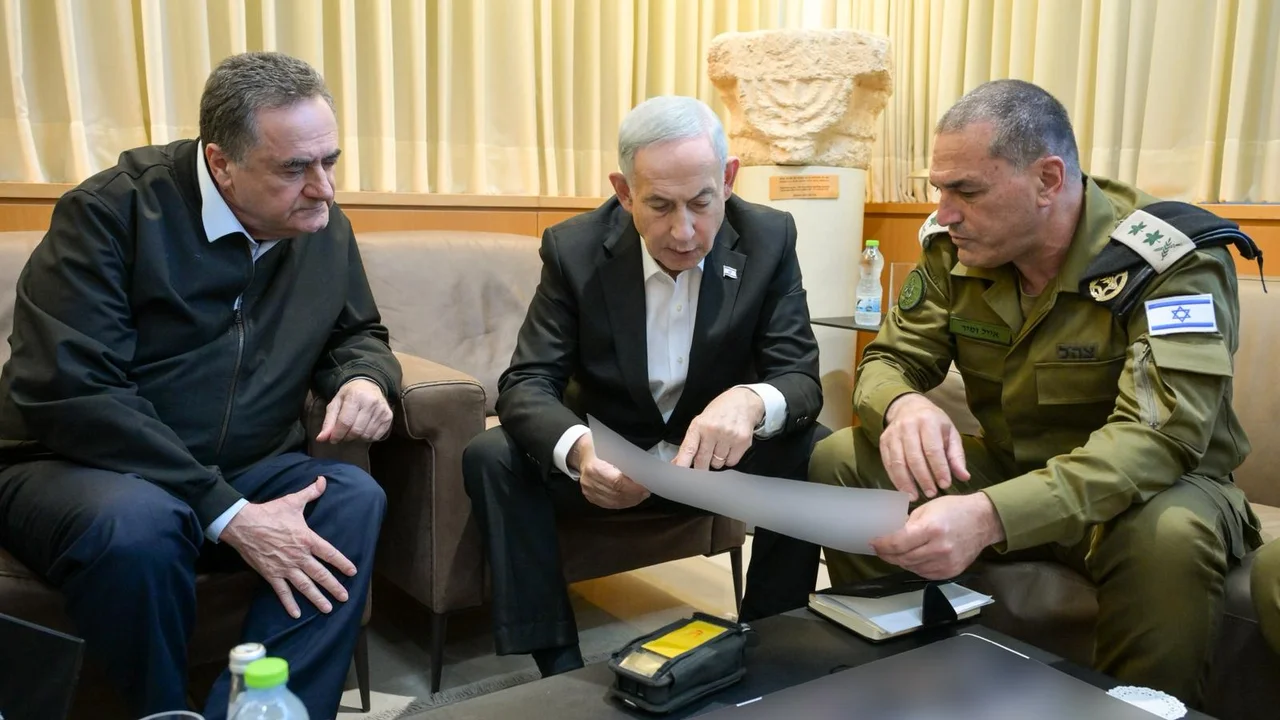
Eizenkot's party writes to Shin Bet: Forced to hire private security
The staff of 'Yashar' party chairman Gadi Eizenkot has contacted Shin Bet chief David Zini regarding security concerns. The request follows Iranian threats and a volatile election climate, though the law does not mandate Shin Bet protection for Eizenkot, as he is not considered a 'symbol of government'.
First publication: The staff of 'Yashar' party chairman Gadi Eizenkot has sent a letter to Shin Bet chief David Zini regarding security arrangements for the candidate. The appeal comes against the backdrop of Iranian threats to target senior Israeli officials, as reported this Wednesday in the main news edition.
The chief of staff for the prime ministerial candidate warned of the volatility of the current election cycle and its impact on security. The letter argues that in such an intense campaign, with a heated and extreme discourse, and given the threats the Shin Bet acknowledges exist against senior figures including Eizenkot, the lack of a security response is untenable. Consequently, Eizenkot's staff has been forced to secure him privately and without weapons, as police have not granted permits for armed guards.
The letter from Eizenkot's chief of staff to the head of the Shin Bet states:
"Following an internal situation assessment and in light of a number of incidents that occurred in recent weeks, as well as a series of disturbing publications, we decided to secure the party chairman through a private security company. I will emphasize that we do not have any intelligence or other capability to provide additional information to the private security team."
The issue remains under review, and although the Shin Bet is reportedly concerned, no official response has been provided. The law does not mandate security for Eizenkot because he is not classified as a "symbol of government."
The situation is further complicated by inflammatory rhetoric, such as comments from the head of the Shin Bet's advisory committee, Colonel Ronen Cohen, who claimed that "October 7" is written on Eizenkot's forehead. The lack of protection due to a legal loophole is viewed as highly problematic.