The hidden partner of Arab states: How Israel returned to being the country that is kept hidden
Bahrain and the UAE are not giving up on Israeli weapons, Saudi Arabia has set a new ironclad condition, and Turkey is stirring the pot. The war has completely disrupted Israel's dream of integration in the Middle East, and according to a Saudi commentator, "it is impossible to build a strong economy and large development projects in a region that is on the verge of war." The changing map of Gulf interests - and the message to Jerusalem: Is normalization still possible?
On October 6, 2023, it seemed that Israel was facing a historic change in its status in the Middle East and was finally approaching true integration within it. The Abraham Accords had already created a new framework with the UAE, Bahrain, and Morocco, and at the same time, advanced negotiations were underway under the auspices of the United States for normalization with Saudi Arabia. Even relations with Turkey, which had experienced acute crises for years, were then in a process of warming. One day changed the picture. Rivers of blood have flowed in the Middle East since then, and hatred for Israel has only grown. Now the question is not only how the wars and conflicts will end, but whether Israel can still integrate into the regional space — or is it being pushed into the position of a strong but isolated state in a particularly hostile environment.
Over the last three years, the map of regional interests has actually changed rapidly. The tens of thousands killed in Israeli strikes in Gaza, Lebanon, Iran, and Yemen — even though in all cases it was Israel that was attacked first — led to frequent and almost automatic official condemnations from Arab and Islamic foreign ministries, and a significant part of the relations with the Gulf states went underground. Israel moved from talk of almost immediate normalization with Saudi Arabia — in which Crown Prince Mohammed bin Salman even spoke publicly and freely about the possibility of an agreement — to a reality in which Riyadh is simultaneously deepening other security alliances in the region.
But the reality behind the scenes is more complex. Israel has never been completely isolated in the Middle East; even in periods of severe hostility, political, intelligence, and security channels existed between it and Arab states. Already in the first years of the state, secret contacts were held with Arab countries, and later ties were built with Jordan and Egypt, which even turned into peace treaties in 1979 and 1994. These peace treaties did not eliminate political disputes, but created common interests: border security, intelligence, water, trade, American aid, and regional stability.
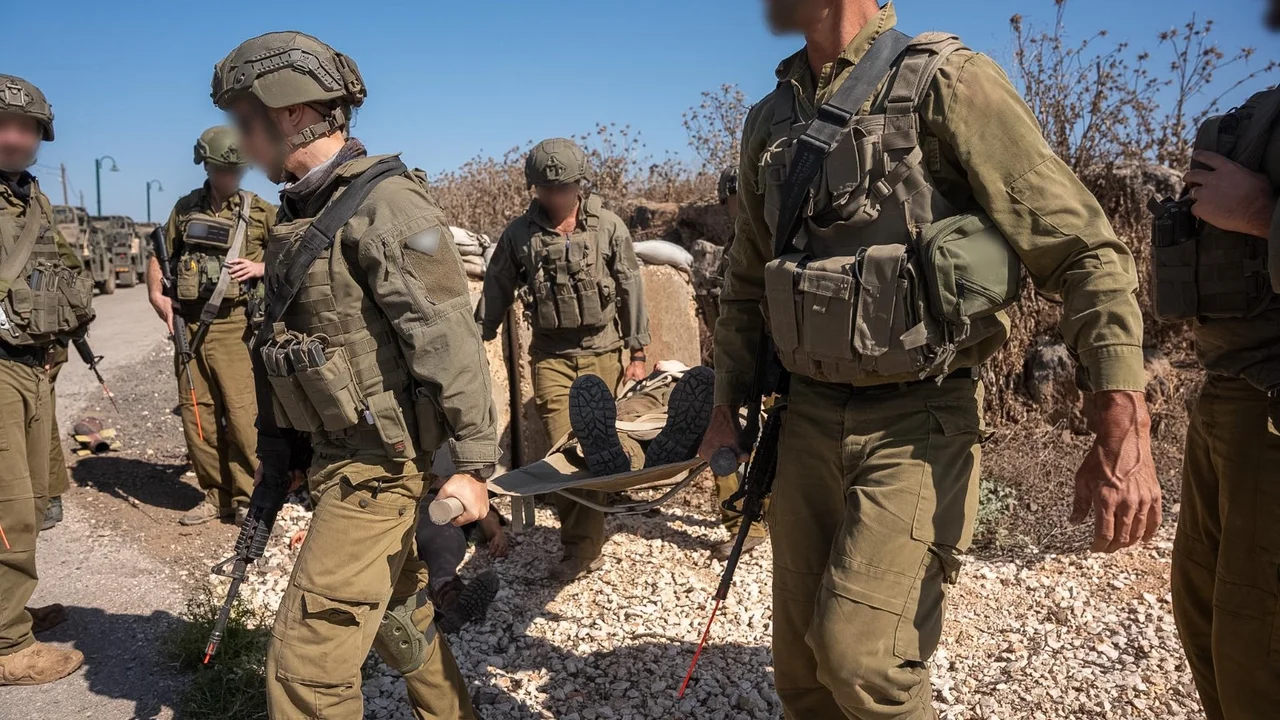
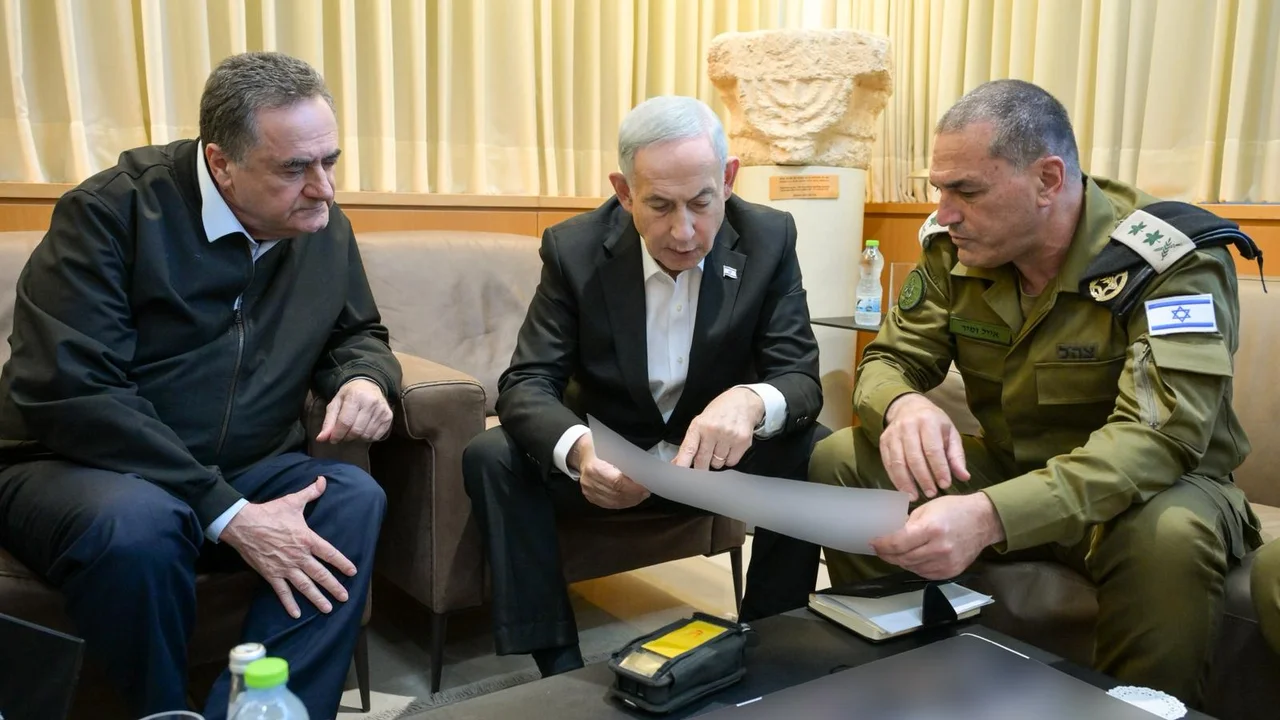
Even today, beneath the noisy layer of political statements, a different reality exists. A senior Israeli official familiar with ties to Arab states noted that contacts with Egypt and Jordan are currently maintained mainly in the security sphere. In other words, the formal peace exists, but it is not necessarily translated into political or public closeness. The reason is simple: countries in the region have interests, not just feelings. The same official explained that countries in the region are interested in ties with Israel primarily because of its security and technological advantage — intelligence, defense, cyber, warning systems, and capabilities to deal with threats from within and without. From the perspective of many countries, Israel is less of an "ideological partner" and more of a strategic asset.
But this is precisely where the problem lies. Ties based only on intelligence and security can exist for years, but they do not necessarily produce a stable peace. If the connection remains secret, Israel in a sense becomes the "mistress" of the region's countries: useful behind the scenes, but not legitimate enough to stand beside publicly. And unfortunately, since October 7, public relations — even with the Abraham Accords countries — are becoming increasingly rare.