Will Hamas Disarm? Gaza Militia Leaders: "The People Will Kill Them, Not Us"
The reality in the Gaza Strip is shaped by three power centers: the IDF, Hamas, and local militias. The struggle over weapons and security mechanisms remains the primary obstacle to any future settlement.
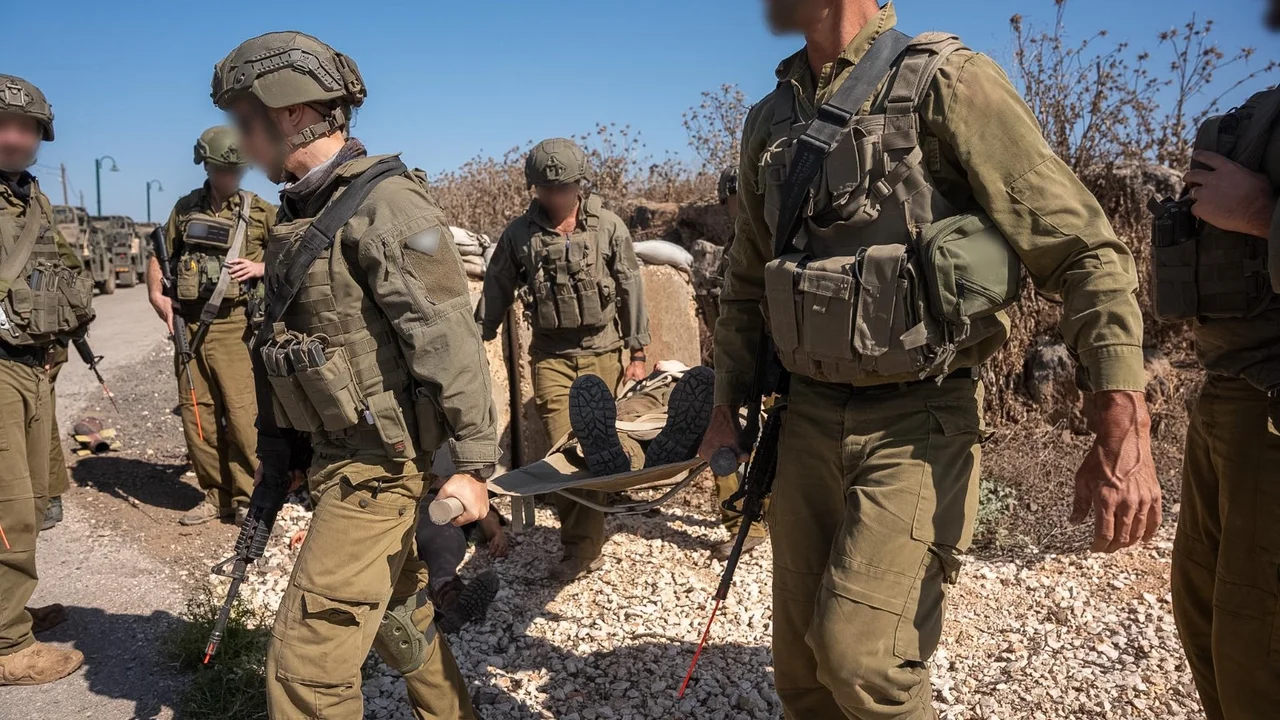
The reality in the Gaza Strip is currently shaped around three power centers: the IDF, which holds buffer zones, strategic axes, and security perimeters; Hamas, which is trying to maintain its military and governing status; and local militias, which are trying to establish themselves as an alternative force. The struggle over weapons and security mechanisms is expected to be one of the main tests in any future arrangement.
While Israel demands to prevent Hamas from returning to the status of a significant military force, Hamas refuses to give up the central component that allows it to maintain its influence. This issue has become the central point of contention between Hamas and the local militias rising against it. In conversations with ynet, militia leaders claimed that Hamas would not agree to surrender its weapons.
Husam al-Astal, head of the Khan Yunis militia, stated:
"As I have known for a long time, it is impossible for Hamas to surrender its weapons. They know that if they surrender their weapons today, they will be killed by the people, not by us. And I tell you, this agreement will not move forward."
According to him, the issue of weapons is the main obstacle. Rassan al-Dahaini, head of the Abu Shabab militia, also claimed that Hamas does not intend to give up its weapons. He added that the future struggle would also target clans that hold weapons, noting that families refusing to contact Israel have served Hamas and hidden weapons for them.
Al-Dahaini warned against political decisions without military confrontation:
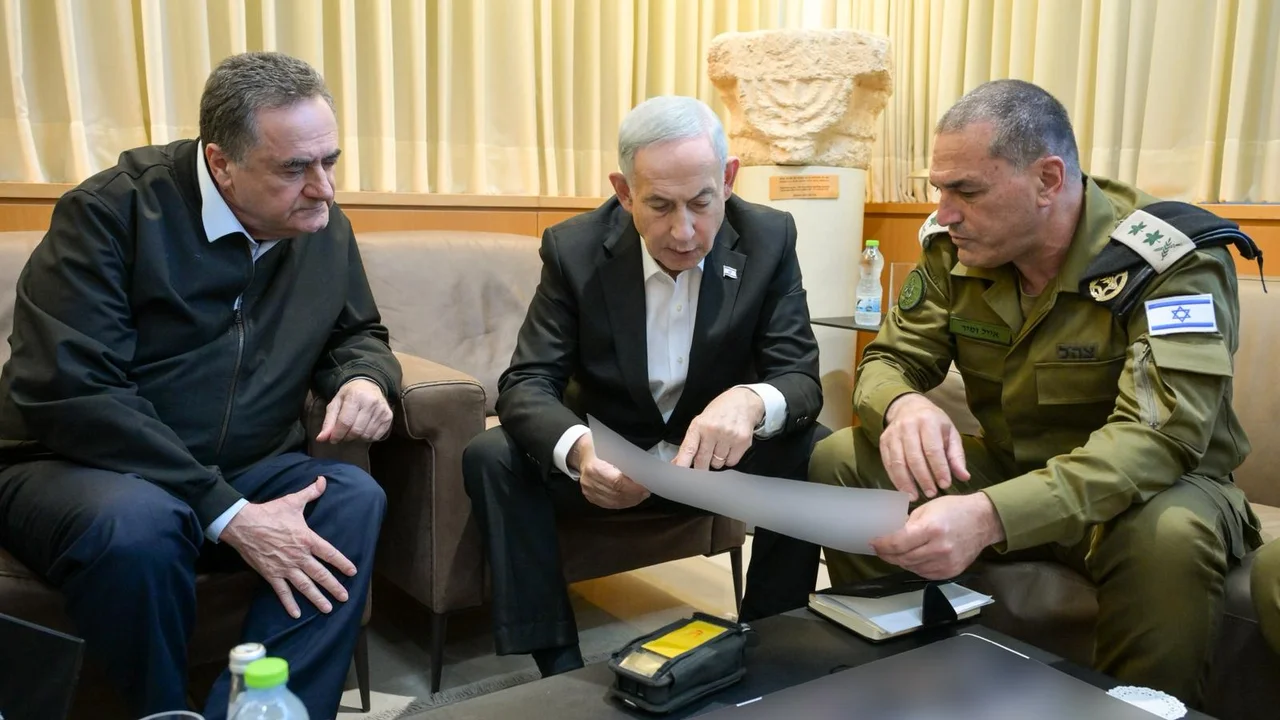
"If Benjamin Netanyahu goes to elections without a war, it is as if he made peace with Hamas. They will say he helped Hamas. This will be the biggest mistake."
On Monday, after about 30 hours of relative quiet, fighting resumed. According to Palestinian reports, two people were killed and several wounded in an IDF drone strike against a vehicle near Al-Rashid Street in southwest Gaza City. Simultaneously, artillery fire continued in various areas. Hamas continues to demand that mediators stop the fighting and advance the second phase of the ceasefire agreement, awaiting a clear response from mediators, including Nickolay Mladenov.
On the ground, the reality is far from a full ceasefire. The IDF continues to maintain control in strategic areas and exert military pressure. A central focal point is the "yellow line"—the separation line between IDF-controlled zones and areas of Palestinian activity. According to Palestinian claims, the IDF has been moving this line by placing yellow concrete blocks in western areas, reducing movement space for residents, such as in the Tuffah neighborhood. Israel presents this expansion as a means of exerting pressure on Hamas and creating wider security perimeters.