The big loser from the closure of Hormuz - Iran itself
Globes presents a daily short review of interesting news from the global media about Israel. This time: Iran-China trade volume dropped by 75% due to the Hormuz closure, US arms deals with Gulf states are at a peak, and Trump seeks to distance Saudi Arabia from China and Russia.
Against the backdrop of the constantly developing security situation, the lens of the global media reveals unique perspectives on regional events. We present a daily review of what is written in the global media about Israel, to decipher how things look from overseas.
The articles presented are taken from major newspapers around the world and do not necessarily reflect the worldview of Globes.
1. The closure of the Strait of Hormuz has severely damaged the Iranian economy
Much has been said about how the Ayatollah regime's decision to close the Strait of Hormuz has economically damaged the countries of the region. However, customs data from China, a significant trading partner of the Islamic Republic, illustrate how much of a "self-goal" this strategic move was for the Iranian economy. Iran International reports that between March and June this year, the volume of non-oil trade between Iran and China amounted to only about $830 million, a drop of about 75% from $3.3 billion in the same period last year.
Furthermore, shipping data collected by Kepler and examined by Iran International showed that average daily unloading in Chinese ports dropped from about 1.74 million barrels of oil per day in April to only about 550,000 in the first two weeks of July. Over the years, China has been the main customer for Iranian oil, accounting for 90% of all exports. In contrast, Chinese customs data indicate that trade with the rest of the Persian Gulf countries (Bahrain, Iraq, Kuwait, Qatar, Saudi Arabia, and the UAE) decreased by only 29% in the first half of the year. Additionally, shipping costs for a container from China to Iran have jumped from $2,500–$3,500 before the start of Operation Roar of the Lion to $8,000–$9,000 today.
2. In the shadow of the fighting: US arms supplies to the Gulf states are at a peak
Israeli-American security cooperation is unprecedented, as reflected in the joint fighting against Iran during Operation Roar of the Lion. However, an analysis by AGBI of US State Department data reflects how much the US is also prioritizing the Gulf states. Agreements announced by Washington show that in the first half of 2026, arms sales to GCC countries were approved in the amount of $41 billion, compared to "only" $9 billion in the same period last year.
Saudi Arabia, the region's largest arms purchaser, increased its defense budget by 26% in the first quarter. The GCC's interest is heavily focused on air defense: $9 billion was allocated for radars, and $8 billion was directed to C2 (command and control) systems. Significant investments were also made in the maintenance of KC-130J tankers and F-15 fighter jets, with about $1.98 billion spent on Patriot interceptors alone.
3. The nuclear program for Saudi Arabia reflects Trump's strategy toward the Gulf
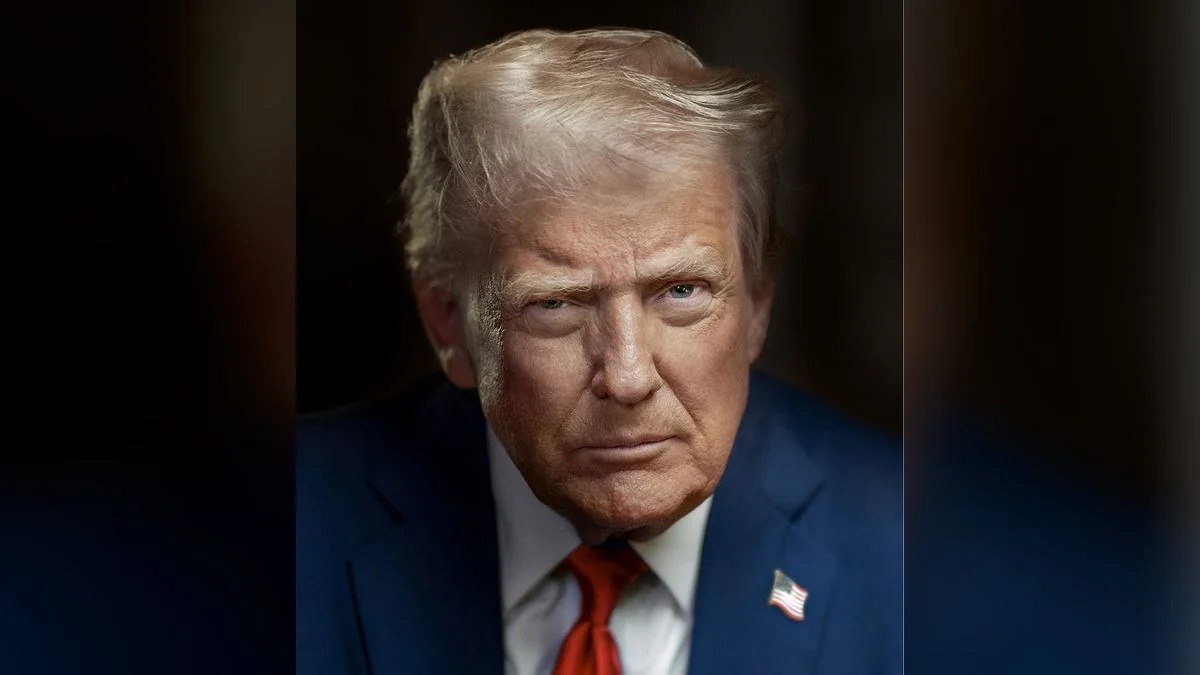
US President Donald Trump's decision to grant Saudi Arabia a civilian nuclear program is being examined in depth. In the American publication Al-Monitor, experts note that the agreement reflects the White House's Gulf strategy. Kristian Coates Ulrichsen of the Baker Institute at Rice University told Al-Monitor that the agreement is "an indication that for the Trump administration, ensuring the Saudis turn to American technology rather than Russian or Chinese is paramount."
Saudi Arabia has signaled for years its aspiration to achieve nuclear power as part of its Vision 2030 plan. While the goal of building 16 reactors remains a long-term challenge, the current US administration is increasingly rewarding Gulf partners with advanced strategic technologies, including recent easing of export controls on artificial intelligence (AI) chips to the UAE.