Water Authority Disqualifies Bnei Brak Water Corporation CEO Appointment Over Inaccurate Data
The Water Authority has disqualified Meir Pinchas from the position of CEO of the Bnei Brak water corporation, Mei Barak, after finding he did not meet the mandatory professional experience requirements.
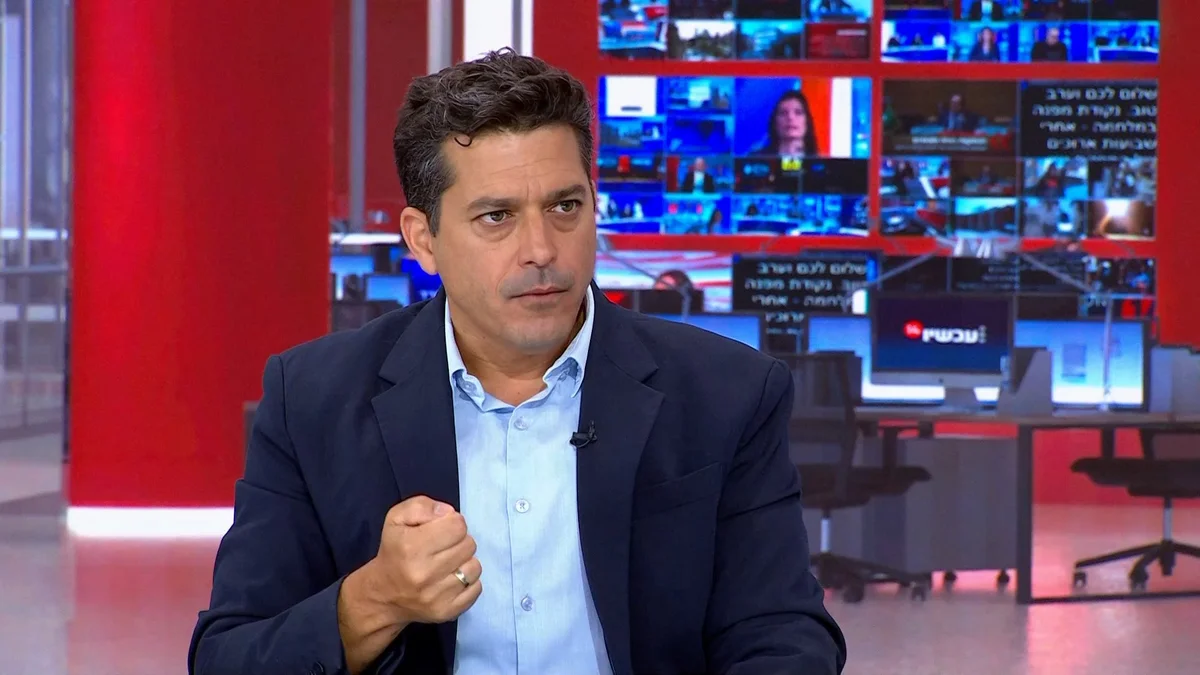
The Water Authority has disqualified the appointment of the CEO of the Bnei Brak water corporation after finding that he does not meet the threshold conditions for the position. The decision was made after it emerged that Meir Pinchas, a political advisor from Shas, declared five years of experience as CEO of the company Efram A.P. Initiatives, even though the company was founded only in June 2023. Pinchas holds 50% of the company's shares, and the other half is held by Efrat Pinchas. The company Eretz Avot, which he also presented as one he managed for five years, was founded only in April 2025.
The disqualification comes at a particularly sensitive time. The water corporation "Mei Barak," owned by the Bnei Brak municipality, has been operating without a permanent CEO since January 2025, following the resignation of David Tzelnik. At the same time, the Bnei Brak municipality owes the corporation about 30 million shekels — a debt that has grown from about 8 million shekels in the 2022 reports and threatens the financial stability of the corporation.
According to the Water Corporations Law and the Government Companies Law, the CEO of a water corporation must have five years of experience in a senior management position in a relevant field or in a senior public position in economic, managerial, or legal matters. The appointment of the CEO is under the authority of the corporation's board of directors, but requires the approval of the Water Authority and subsequently of the committee for the examination of appointments headed by retired judge Nurit Achituv.
Political Context and Inconsistencies
According to the political agreements in Bnei Brak between Shas and United Torah Judaism, the position of CEO of the water corporation belongs to Shas. Pinchas, a media figure and former political advisor to Shas ministers, is considered close to the party leadership. In the past, he served as an advisor to former ministers David Azulai and Yitzhak Vaknin, and also worked in the office of MK Uriel Buso.
The appointments committee examined Pinchas's statements regarding his employment experience and found a series of inconsistencies. In the questionnaire he submitted, he declared five years of experience in managing the companies Efram and Eretz Avot, but their dates of establishment do not support this. In addition, in his resume, he noted that he was responsible for the religious buildings department and the burial department in the Ministry of Religious Services. In the committee's check, it turned out that in practice he served as an advisor to ministers in the ministry, and not as a department head or a senior public official.
In an attempt to prove five years of management experience, Pinchas also presented an employment agreement with the company Green Park from August 2020. However, his resume stated that he only started working at the company in 2025, and in the questionnaire he submitted to the committee, he did not mention his work there at all. Regarding this, the committee wrote that it is "incomprehensible conduct, to say the least."
Financial Situation of the Corporation
The Bnei Brak municipality, the shareholder in the corporation, is also one of its largest water consumers, but its debts to it have reached about 30 million shekels. In 2025, Mei Barak's revenues from water and sewage services amounted to about 128 million shekels. According to sources at the Water Authority, the continuation of the situation could harm the corporation's ability to invest in infrastructure and service to residents.
On behalf of Meir Pinchas, it was stated that he was chosen legally after receiving the highest score in the search committee and that he meets all the threshold conditions. The Bnei Brak municipality stated that the financial relationship between it and the corporation is part of current accounting accepted between local authorities and municipal corporations, and that these are not bad debts.