Laptop Prices Surge Up to 35% in Israel Amid Global AI Component Shortage
Laptop prices have surged by up to 35% due to global AI component shortages. Apple's MacBook Air and other major brands see sharp hikes as industry experts warn of further increases.
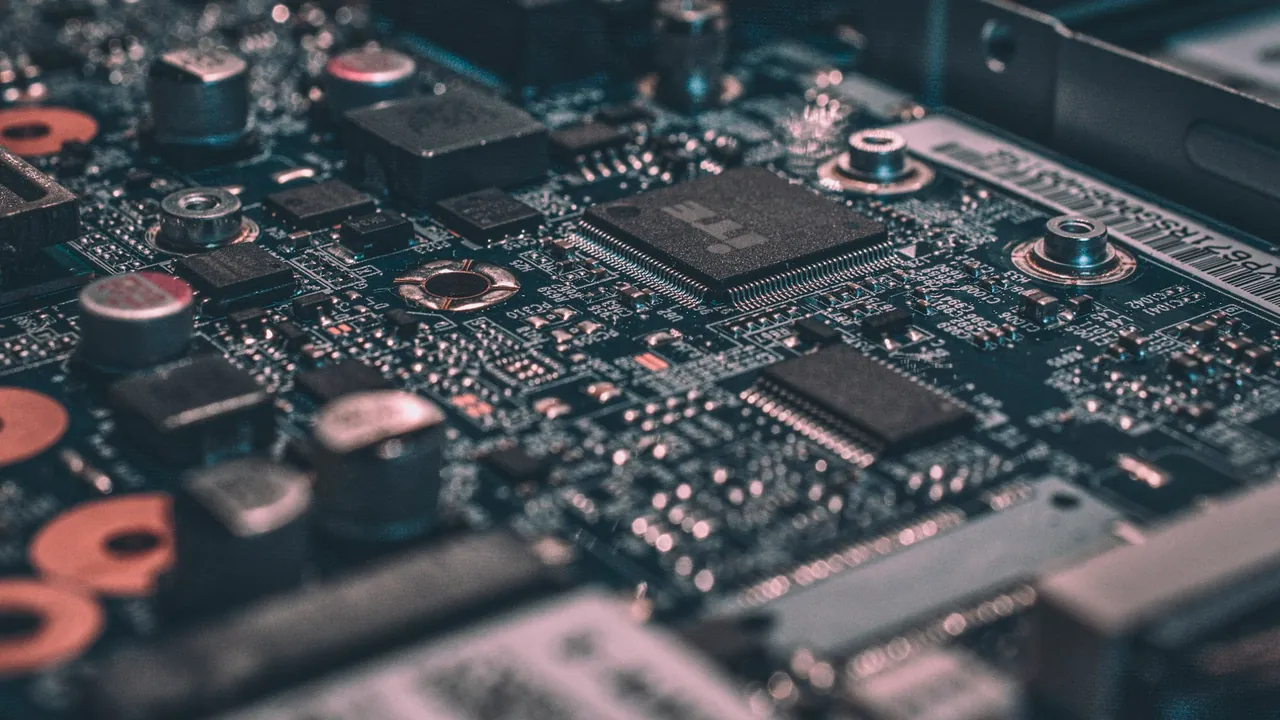
Global laptop prices have surged by up to 35% amid a massive supply crunch driven by the insatiable demand for artificial intelligence components, with industry insiders warning that the hikes are only beginning.
The Scale of Price Increases
A prime example of the rapid escalation is Apple's MacBook Air. In early September, the model retailed for approximately 5,650 shekels, but its price has now climbed to about 7,500 shekels, marking a 33% jump—an increase of roughly 1,850 shekels in less than two months.
According to data from senior computing industry figures, price lists from major manufacturers including HP, Lenovo, and Dell have risen by 25% to 35% throughout 2026. Industry estimates suggest that gaps could reach 45% by the end of the year compared to the same period last year.
Why Laptops Are Becoming More Expensive
The primary driver behind the soaring prices is the surging global demand for components required to power artificial intelligence systems. Technology firms worldwide are pouring massive investments into building data centers and servers to operate AI services. Consequently, component manufacturers are reallocating a larger share of their production resources to AI hardware, leaving fewer available resources for personal computers. This relative scarcity drives up both component and production costs.
Consumer Panic and Market Outlook
Fears of further price spikes are already altering consumer behavior. Major electronics retailers report a phenomenon they term technological FOMO—the anxiety of missing out on relatively lower prices. Consumers, particularly within gaming communities, are rushing to purchase computers, fearing that waiting for November sales will prove more costly.
According to research published this month by TrendForce, memory, processor, and storage prices continue to weigh heavily on computer manufacturers. Industry experts project that as stockpiles purchased at lower rates are depleted, price increases will widen across the board, potentially impacting Israeli consumers extensively by early 2027.
HP estimates that certain models could see price jumps of around 1,000 shekels compared to last year, posing a significant financial burden for students preparing for the academic year. However, industry analysts note that not every model fluctuation signals a permanent hike, and forecasts remain uncertain regarding whether prices will maintain an upward trajectory.