Police presented 3 folders against Musli and admitted: "We failed to form an evidentiary basis"
The police requested a restraining order against Yossi Musli, admitting they failed to form an evidentiary basis for an indictment. Police cited intelligence regarding potential criminal activity. Musli called it "Ben Gvir's private police." The hearing was postponed to Thursday.
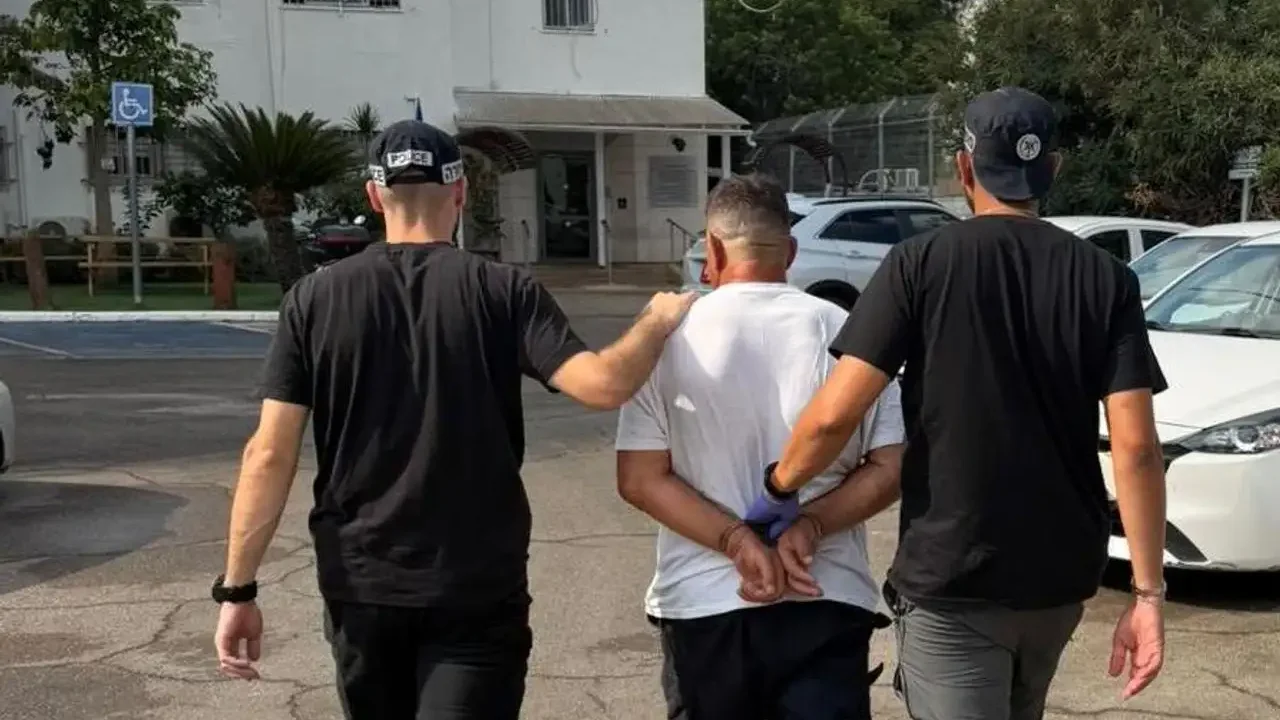
Three folders filled with intelligence material were presented today, Tuesday, before the Tel Aviv District Court. At the center of the proceedings is the head of a crime organization, Yossi Musli, against whom the police are seeking a judicial restraining order. However, during the hearing, the police explicitly stated the reason for choosing this exceptional path: investigators failed to form a sufficient evidentiary basis against Musli to file an indictment.
"If we could, we would have filed an indictment," said Investigation Department officer Ziv Sagiv. He explained that the police exhausted all possible investigative procedures but encountered difficulties in building a case. Consequently, the request for the order was filed, having been reviewed by the head of the Tel Aviv District Investigation Division and the Deputy State Attorney.
Police officials claimed that despite the evidentiary difficulties, their priority is preventing harm to innocent people. "We will present the court with a clear intelligence picture regarding the respondent's involvement in criminal offenses," Sagiv stated. The police attribute to Musli the leadership of an organization operating both in Israel and abroad, as well as involvement in various criminal acts.
"We prefer criminal proceedings over administrative ones, but we admit we failed to form a solid evidentiary picture," the officer added. The request is based on intelligence and risk assessments that, according to the police, establish a real possibility of serious crimes occurring, especially given the recent intensification of conflicts between criminal organizations.
Musli did not remain silent during the hearing. When the police explained their move toward a restraining order, he retorted: "You went the crooked way." When police claimed he was planning further incidents in Israel, Musli quipped: "And in space, too."
As part of the background, the police noted Musli's 11 previous convictions, the first dating back 33 years to a juvenile court. Mentioned offenses included armed robbery, violent acts causing bodily harm, threats with a weapon, and money laundering. In July, Musli was questioned regarding arson and conspiracy following attacks on "Japanika" restaurants. Musli denied the allegations, asserting he had fully cooperated with authorities.
Key restrictions sought by the police include a travel ban, as they believe his time abroad makes monitoring difficult and provides an alibi for criminal activity. The police also requested restrictions on Musli's internet and phone usage, seeking the right to inspect devices at his residence.
Another dispute concerned the location of his house arrest. The police opposed his chosen address, arguing it is a target for rivals and that the presence of security guards suggests it serves as an operational base. Musli dismissed these claims as lies. Upon seeing the folders handed to the judge, he remarked: "In a murder case, they didn't bring materials like this."
He later directed criticism at the police and Minister of National Security Itamar Ben Gvir: "This is Ben Gvir's private police; I will never vote for him in my life. The court fights with Ben Gvir all day, yet suddenly they agree with the police?"
Defense attorneys Shahar Hatzeroni and Tamir Sananes requested a postponement, noting they only received the materials today and needed time to prepare for cross-examination. The defense agreed to house arrest in the interim, provided it is at his father's home. The court granted the request, postponing the hearing to Thursday, August 13, at 10:00 AM. Musli will remain under house arrest until then.