The credit card club war has cost the companies dearly
Aggressive competition between credit card companies, driven by the battle for the FLY CARD franchise, has led to significant marketing expenses. Isracard and Cal report growth in credit portfolios amid leadership changes.
Competition between credit card companies in recent months has been exceptionally aggressive, sparking speculation about what the public could enjoy if banking competition were similar. The primary driver is the acquisition of Isracard by the Delek Group, which has impacted the industry in two ways.
First, the 'hijacking' of the franchise for the FLY CARD, the credit card issued for the El Al frequent flyer club in March, is considered one of the most profitable non-bank cards in the industry. This move affected the second-quarter results of both Isracard and Cal. Since June, Isracard has issued about 250,000 cards. While aggressive marketing yielded results, it involved expenses of tens of millions of shekels per quarter. It is estimated that in 2026, card marketing and related expenses will reduce pre-tax profit by up to 150 million shekels. Consequently, Isracard's profit, net of one-time income from the sale of its BuyMe holdings, amounted to only 15 million shekels, despite an 11% revenue growth. The company remains optimistic, estimating that the FLY CARD will generate at least 120 million shekels in annual profit.
Cal, left without its most significant club, responded quickly by launching the FlyAll card, adopting the Sky Max model. It has recruited about 130,000 customers, but marketing efforts also cost tens of millions of shekels. The company made a controversial accounting decision, choosing not to treat 23 million shekels in marketing grant refunds from El Al as a one-time impact, thereby reporting a net profit of 104 million shekels. It remains unclear if this aggressive marketing will compensate for the club's loss.
The competition is also reflected in credit portfolios. In the past quarter, Isracard closed a historical gap in its consumer portfolio, presenting a 16.6% annual increase to 9.31 billion shekels, nearly matching Cal's 9.32 billion shekels. Both companies saw significant growth in auto credit: Isracard's portfolio grew by about 31% to 1.67 billion shekels, while Cal's reached 1.07 billion shekels. In the business portfolio, Isracard continues to demonstrate absolute superiority with 3.75 billion shekels (a 27.9% jump) against Cal's 1.6 billion shekels.
Macroeconomic effects and the April 'Lion's Roar' operation also took a toll. Isracard saw a sharp erosion in foreign transaction fees to 35 million shekels (down from 67 million last year), while Cal showed a later recovery with 71 million shekels. Rapid portfolio growth also increased credit losses, which more than doubled at Isracard to 83 million shekels and climbed to 60 million shekels at Cal.
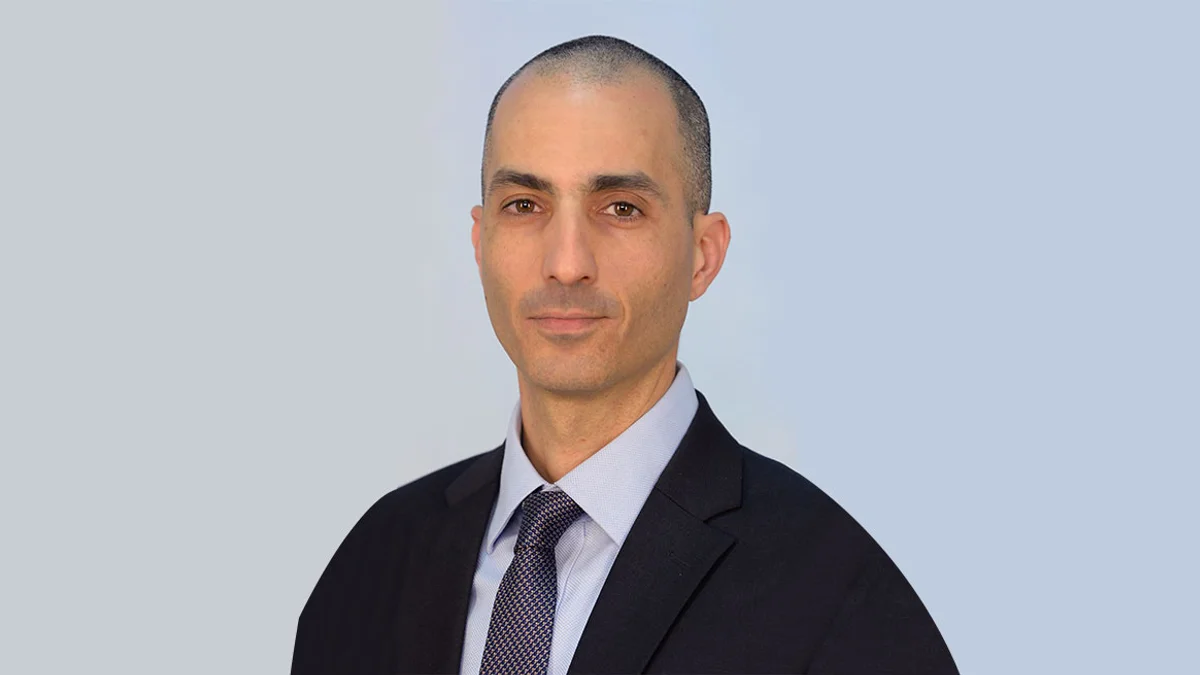
Finally, the acquisition triggered a game of musical chairs. Yafit Griani, previously Deputy CEO at Isracard, was appointed CEO of Cal, while Itamar Forman was appointed CEO of Isracard. The industry now features fresh, success-hungry CEOs, some with historical grievances. If the Horesh-Harel deal to acquire Cal is approved, the market can expect even fiercer competition as players seek to settle scores over the stolen flagship club.