The WNBA star's statement regarding trans women that stirred up the US
When a quote from a player regarding transgender basketball players goes viral in the explosive political climate in the US, and connects to the exposure of a dominant tall player from France who underwent gender transition, you get a storm in the WNBA.
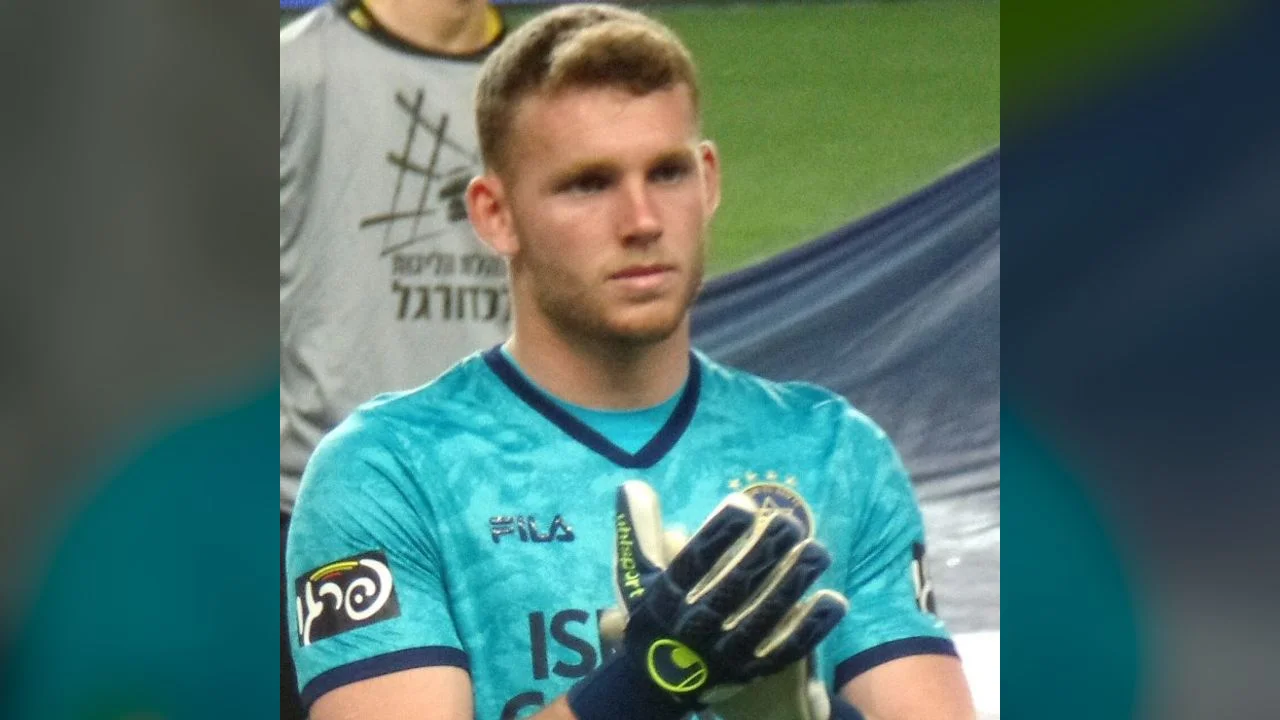
Until less than a month ago, you had to be a WNBA mouse to know Sophie Cunningham, even though she has been playing in the league for eight seasons. She is 29, was selected in the second round of the draft, has career averages of 8 points and 2.8 rebounds as a guard/forward, and 9.3 points this season alongside Caitlin Clark at the Indiana Fever. She is a reasonable player, there are dozens like her. The WNBA league is indeed developing and expanding rapidly, but it still doesn't have that many mice. And then Cunningham decided to give an interview to ESPN in which she repeated positions she had expressed many times in the past on the issue of including transgender people in women's sports.
"Girls and women should be protected in the locker room and not compete against biological males," Cunningham said, "I stand behind what I said in the past. For me, it's just common sense. I said what I said."
This is not an unusual position — a large majority of Americans hold it — but it is also not a problem that exists in the US. There are no transgender athletes in any professional sport or in colleges, and only a few in high schools. What there is, is a weapon that never stops being loaded in the never-ending culture war. Returning the focus to sports as expected, Cunningham's words ignited a summer fire from Twitter to TikTok to podcasts to heavy-headed panels on ESPN. No one had anything smart or original to say — let alone nuances — but that hasn't stopped weeks of a storm that has no end in sight. The WNBA is a league with a very high percentage of lesbians and prides itself on being "inclusive," so Cunningham is getting booed at away games, and receiving support throughout the conservative ecosystem in the US. This week the Fever played away against the Minnesota Lynx, and the Lynx coach, Cheryl Reeve, who is also the coach of the US national team, stood on the sidelines wearing a light blue shirt that said "Trans Kids Belong".
"All children, without exception, deserve free and safe access to sports," Reeve said, "Later you can talk about what happens after adulthood. The way things are phrased creates an implication as if transgender women are some kind of predators inside locker rooms. This is a very problematic narrative that we must address. There is a certain group of people in this country that is turning this into a huge story, while the real threats to women's sports over the years have always come from cisgender men."
This week Cunningham already asked the American media to stop dealing with the subject and return to focusing on basketball. "This interview took place in March," Cunningham said, "Now it's just a distraction. I just want to make sure the focus stays where it should, because the league is played at such a high level." She blamed the "WNBA media that covers everything except basketball," but it is doubtful that it will be possible soon to put the genie back in the bottle that she is the one who let out.
The discovery from Monaco
One reason why the subject will continue to burn is Julie Tatar, a trans player who plays for Monaco in the second league in France. She holds crazy averages of 21.2 points and 20.2 rebounds, and was chosen as player of the season and defensive player of the season. Tatar (34, 1.90 m) played most of her life in amateur men's leagues and began her gender transition in 2021. The French Basketball Federation allows transgender people to play in women's leagues, subject to meeting defined hormonal criteria. It took Tatar three years to complete the physical change, and after meeting the requirements regarding allowed testosterone levels, she received official approval and joined Monaco. With such numbers on the court, the question naturally arose whether Tatar could play in the WNBA.
"If they contact me, I won't say no," the Frenchwoman wrote this week on Instagram, "but you have to be realistic: I'm old and there are players much better than me." Another reason why she will never play in the WNBA is that it simply cannot happen in the US. The league itself doesn't even have a clear policy on the subject, partly because it will never have to face such a situation. According to Charlie Baker, president of the NCAA (the college sports association) who testified in Congress, in 2024 there were fewer than ten transgender people out of 510 thousand athletes in the college league. An executive order issued by President Donald Trump last year brought the number down to zero. In high schools it is difficult to track the exact number, but even the organization Save Women's Sports found only five transgender women who competed in girls' teams in schools all over the US. Medical and sports researchers estimate that the number of transgender female athletes in high schools does not exceed 100. Although transgender people make up about 1% to 1.6% of the general population in the US, their participation rate in sports is significantly lower. In 27 states there is a full ban on including trans girls even in school teams. When Tatar was asked if she had anything to say about Cunningham's words, she answered in one word: "No". She also knows that she — or other transgender women — have no chance of playing in the WNBA. This will not stop another exhausting battle in the culture war from continuing until the next shiny object arrives.