Nationalist crime at a peak — and the IDF warns: "Judea and Samaria on the verge of escalation"
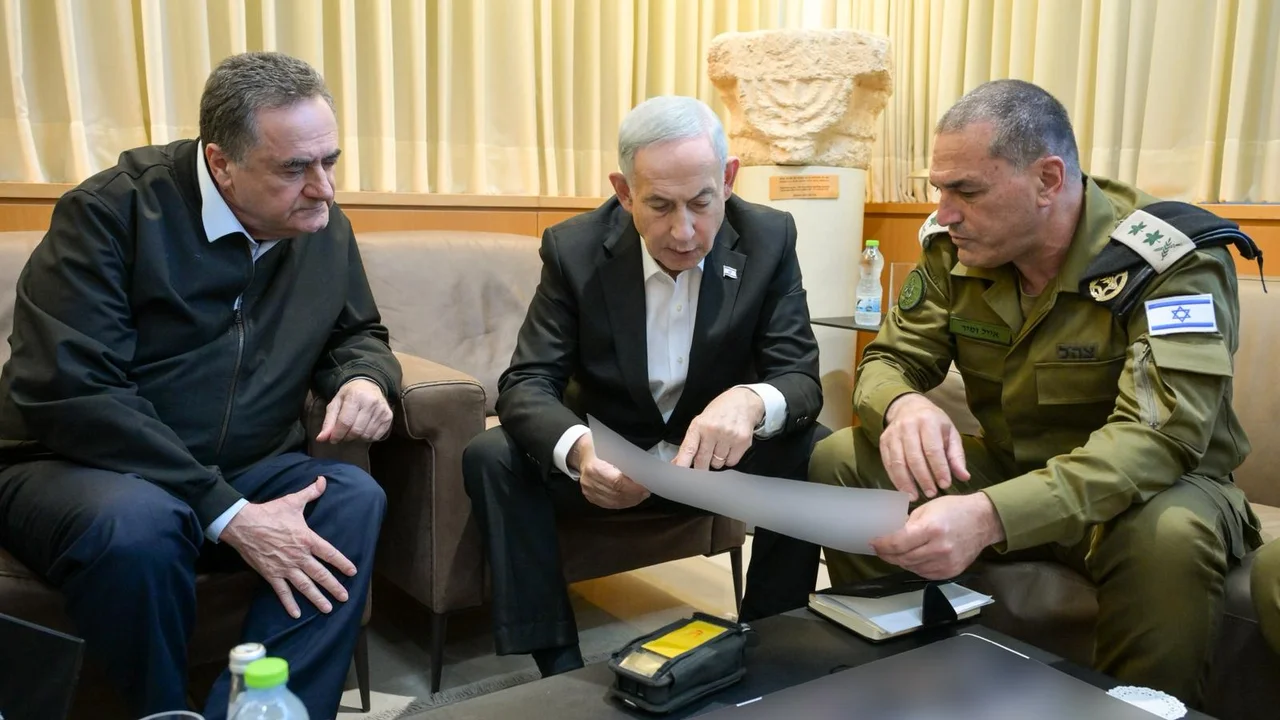
More than 800 incidents of nationalist crime have been recorded since the beginning of the year, and the security establishment estimates that the 2023 record will be broken. The IDF warns of deliberate attempts to create friction in Areas A and B, alongside the economic crisis in the PA and the succession battles. The series of "lone wolf" attacks is also worrying; 25 battalions are deployed in the sector ahead of the holidays.
"Very explosive." This is how senior officials in the security establishment define the current situation in Judea and Samaria. The great fear is based on several significant focal points that feed each other and could ignite the entire sector at any given moment.
The main attention is directed to the sharp rise in nationalist crime incidents. According to security establishment data, since January of this year, more than 800 incidents have already been recorded, 90–100 of which are classified by the army as severe forms of nationalist crime. This is the highest figure for this period since 2023, which was a record year and crossed the 1,000-incident threshold. "At the current rate," the security establishment warns, "we will surpass the 2023 record."
There is growing public bewilderment regarding the limited ability of the IDF and the police to deal with the phenomenon, especially in light of the success in reducing Palestinian terrorism. According to security officials, the gap lies in the "toolbox" that does not include the ability to collect intelligence on Israeli citizens freely, and this involves strict procedures, while at the same time the administrative detention tool has been taken away from the agencies. "Restraining orders are not signed for nothing, they rely on solid intelligence," the officials emphasized, noting that efforts are now being made to expand the "toolbox" through forfeiture regulations and economic sanctions.
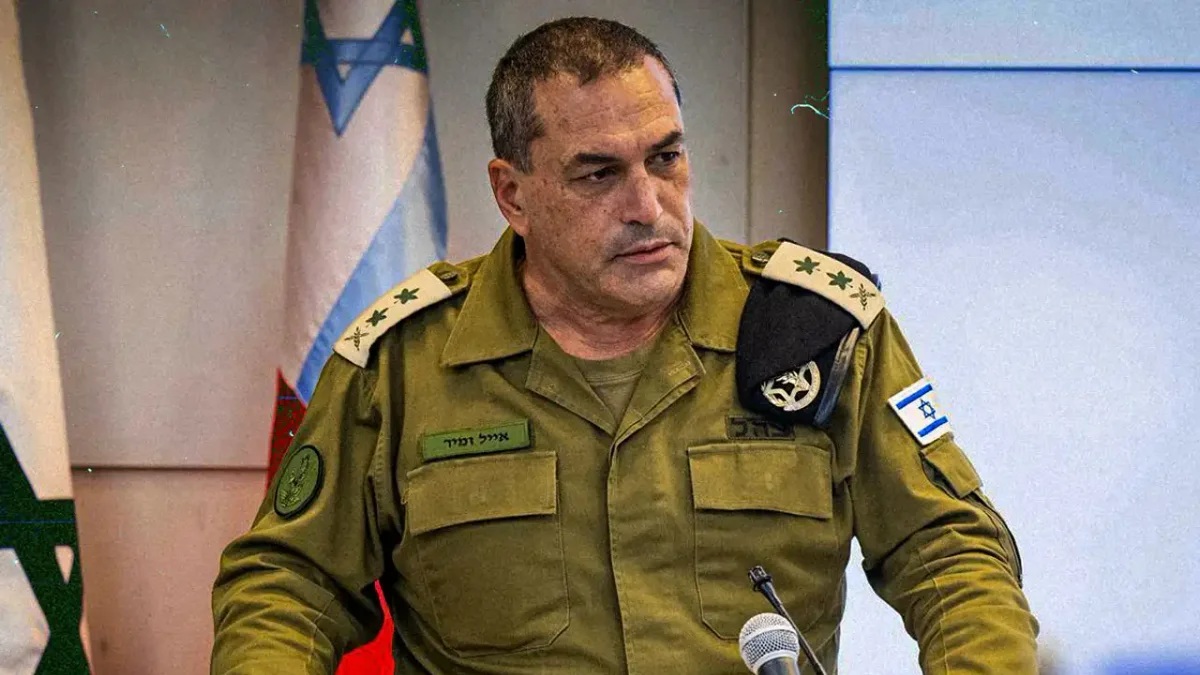
At the same time, the IDF expresses great frustration with the conduct of the extreme elements on the ground and notes that the extremists choose to create friction knowingly. "It is possible to be 'pioneers' and 'settle the land' in hundreds of existing farms and settlements, but the attempt to blur the lines between Areas A and B and Area C, and the push to settle inside Areas A and B, significantly harm the entire settlement enterprise," said a military official. "The IDF did not sign the Oslo Accords, but what is the point of these actions now? There is no Knesset passing laws at the moment, and this is done for provocation only. When public leaders sit in Area B, they cause enormous damage and delay the establishment of regulated settlements. Just before the holidays and the elections, we are on the verge of escalation."
Joining the military's warning is the heavy political pressure from the United States, against the backdrop of the words of the American ambassador to Israel, Mike Huckabee, who clarified that burning cars, houses, and invading citizens' property constitute acts of terrorism in every sense.
Alongside nationalist crime, the security establishment points to a series of other "smoldering coals" that endanger stability, centered on the worsening economic crisis in the Palestinian Authority. In addition, from the Palestinian perspective, the establishment of 104 settlements alongside about 160 farms in the area is perceived as a de facto annexation.
If that were not enough, the Central Command identifies with great concern the first signs of an awakening of Palestinian terrorism in the format of a "lone wolf." The series of recent events, including the stabbing attack in the village of Auja, the car-ramming attack at the Gush Etzion junction, and the weapon-snatching incident at Rimonim Square, are marked by the security establishment as events that could ignite a wave of widespread copycat attacks throughout Judea and Samaria.
As of now, the IDF is deployed throughout Judea and Samaria with reinforced forces of 25 battalions, with the goal of keeping the sector below the escalation threshold.