The map of outposts and farms in Judea and Samaria: Warning on IDF operational burden
Today, there are about 70 outposts and 120–150 farms throughout Judea and Samaria. The IDF distinguishes between state-authorized sites and illegal ones. A security source notes that securing these locations diverts troops from counter-terrorism efforts.
The defense establishment warns that some of the established farms and outposts create a significant security challenge. Since the severe terror attack in Samaria three days ago, five illegal outposts have been established. According to a security source, this often requires diverting forces intended for counter-terrorism. Against this backdrop, IDF Chief of Staff Eyal Zamir has issued a sharp warning regarding the shortage of fighters: "The reserve army will collapse from within."
Operational burden and friction
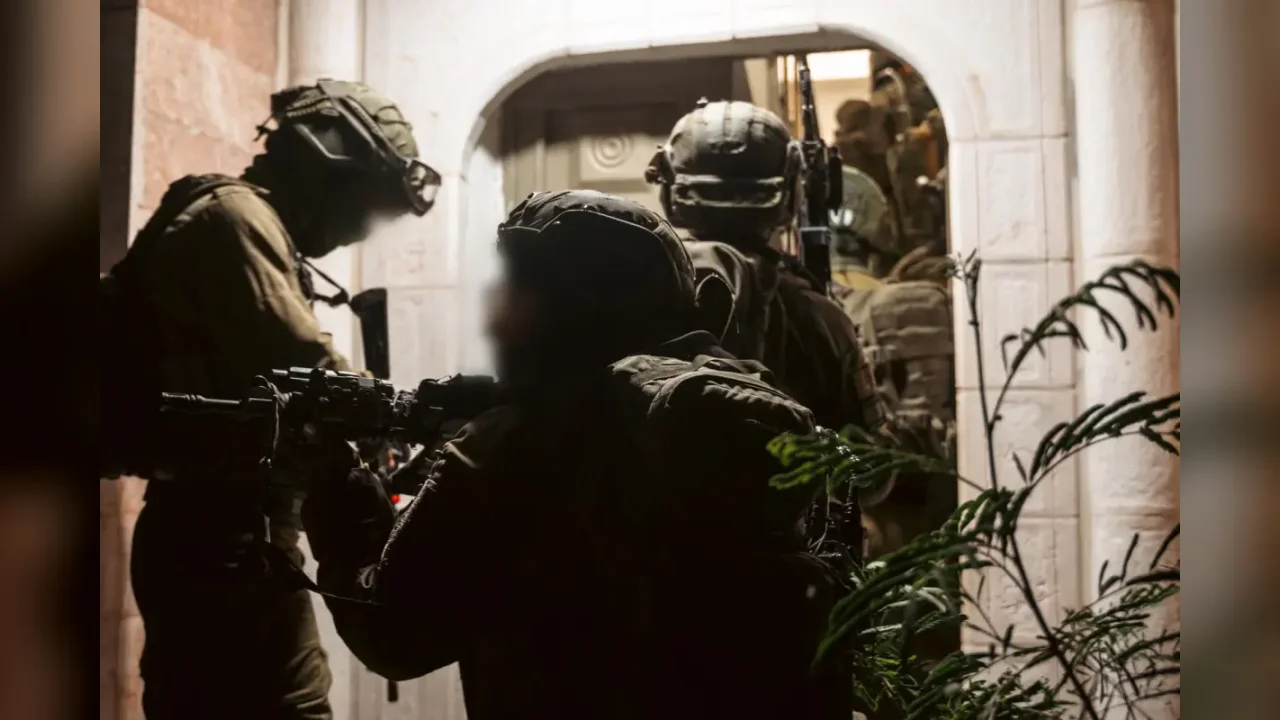
The terror attack in Samaria has brought the issue of farm and outpost deployment and its impact on IDF operational activity back to the forefront. A security source who spoke with N12 said that managing incidents at friction points between outposts and Palestinian villages sometimes detracts from IDF counter-terrorism efforts.
"We are required to allocate fighters to deal with illegal outposts, even though they arrived in Judea and Samaria for completely different counter-terrorism missions," the source told N12. "Many forces are allocated to such missions instead of the primary tasks for which they were deployed."
Farm status and security concept
Today, there are about 70 outposts and 120–150 farms throughout Judea and Samaria. Many are situated on dominant terrain, sometimes near Palestinian villages. Farms coordinated with the IDF are established on state lands in Area C and have regulated grazing areas. Their security level is determined by location, size, and threat assessment, ranging from permanent guards to cameras and standby squads.
However, this wide deployment creates an operational challenge. Proximity to villages and traffic routes can lead to confrontations over grazing or land cultivation, requiring emergency IDF intervention to prevent escalation.
Resource shortages and the Chief of Staff's warning
In recent years, the number of farms and outposts has grown, with at least five new illegal ones established since Friday. A security source summarizes the complexity: "Farms can be a security opportunity when coordinated, but they can also become a weak point that requires more IDF force structure in the area."
Two months ago, IDF Chief of Staff Eyal Zamir warned the Knesset Foreign Affairs and Defense Committee that without immediate progress on conscription and service extension laws, the combat array would not withstand the operational burden. Although the Knesset approved extending regular service to 32 months, the army demands 36, noting that without further reforms, the current move is insufficient. Zamir emphasized that the reserve army faces an unreasonable burden.
In the terror attack near the Gilad Farm in Samaria three days ago, Sergeant Major (res.) Binyahu Malt and Captain Yuval Ezra were killed. The terrorist, who stole a weapon from a security officer in the area, was eliminated.