Jared Kushner Warns Israel Risks Pariah Status Over Gaza Plan Delays
Donald Trump's senior advisor Jared Kushner warned that Israel risks becoming an international pariah if it fails to implement the US Gaza stabilization plan and translate military gains into lasting political security.
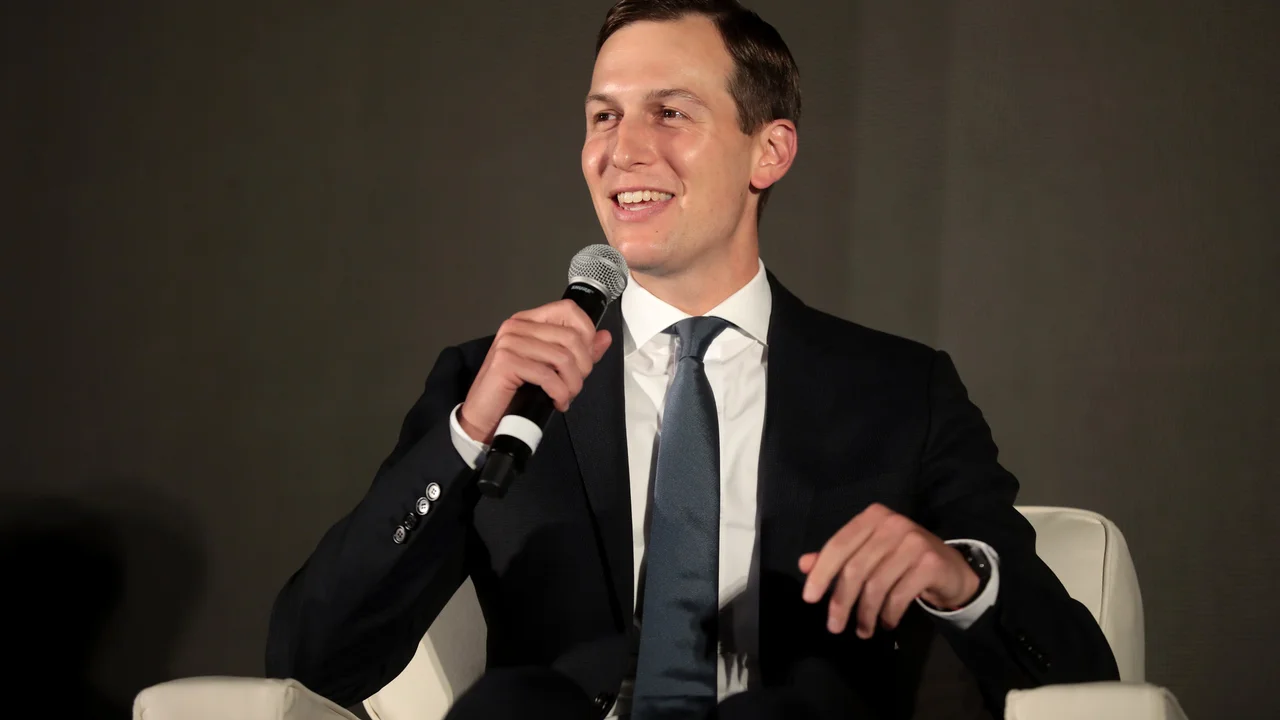
Jared Kushner, a senior advisor and son-in-law to US President Donald Trump, has issued a rare and sharp public warning, cautioning that Israel is heading down a path toward becoming an international pariah state. The remarks, detailed in a recent profile published by New York Magazine following months of interviews, underscore mounting frustrations within the Trump administration regarding delays in implementing the administration's Gaza stabilization plan.
At a Crossroads in Post-War Strategy
Kushner emphasized that Israel stands at a critical historical juncture following the trauma of October 7. The nation can either capitalize on its military achievements to secure long-term integration and safety or persist on a trajectory that isolates it globally. While Kushner has historically voiced criticisms privately as a staunch supporter of Israel, this public declaration reflects a broader anxiety among key US officials that military gains are not being translated into a sustainable political and security architecture.
The friction centers around the comprehensive 20-point post-conflict plan for Gaza championed by President Trump, which aims to dismantle Hamas, facilitate reconstruction, and establish an alternative administrative mechanism. Although the White House deliberately exercised restraint during the recent Israeli election cycle to avoid political interference, Washington expects immediate progress now that elections have concluded. Reports from international news agencies indicate that the Peace Council has warned of a looming collapse of the ceasefire, citing ongoing delays in deploying Palestinian police forces and approving technocratic governance.
Strategic Divergence Over Implementation
Deep-seated distrust regarding Hamas's willingness to disarm entirely continues to shape the Israeli government's cautious approach. Prime Minister Benjamin Netanyahu has maintained strict prerequisites, including the complete disarmament of Hamas and the preservation of the Israel Defense Forces' operational freedom before moving forward with reconstruction efforts. Conversely, American mediators argue that the framework itself provides the necessary verification mechanisms to test Hamas's commitments on the ground.
Tensions also surfaced regarding diplomatic outreach, with Kushner revealing that during an August trip to Egypt to meet with Hamas delegations, his attempts to persuade Netanyahu to empower the Peace Council's reconstruction initiatives met with hesitation and resistance. Former US hostage envoy Adam Boehler similarly warned that prolonged delays risk eroding essential bipartisan and executive backing in Washington, a sentiment echoed by Vice President JD Vance following recent midterm election shifts in Congress.
Domestic Political Shifts in Washington
Beyond personal relationships at the presidential level, shifting dynamics within the US political landscape highlight the potential erosion of traditional support. Recent midterm congressional elections saw the entry of new lawmakers who have openly criticized US military aid to Israel, illustrating how foreign policy decisions increasingly intersect with domestic political costs. While President Trump acknowledged the electoral impact of prolonged conflicts during media interviews, administration officials maintain that urgent diplomatic alignment is necessary to transform wartime achievements into durable regional partnerships.