Iraqi Prime Minister Sparks Crisis with Order to Seize Kurdish Oil Fields
Iraqi Prime Minister Ali al-Zaidi's directive seizing control of Kurdistan's border crossings and oil fields triggers fierce opposition from regional leader Masrour Barzani amid shifting geopolitical dynamics.
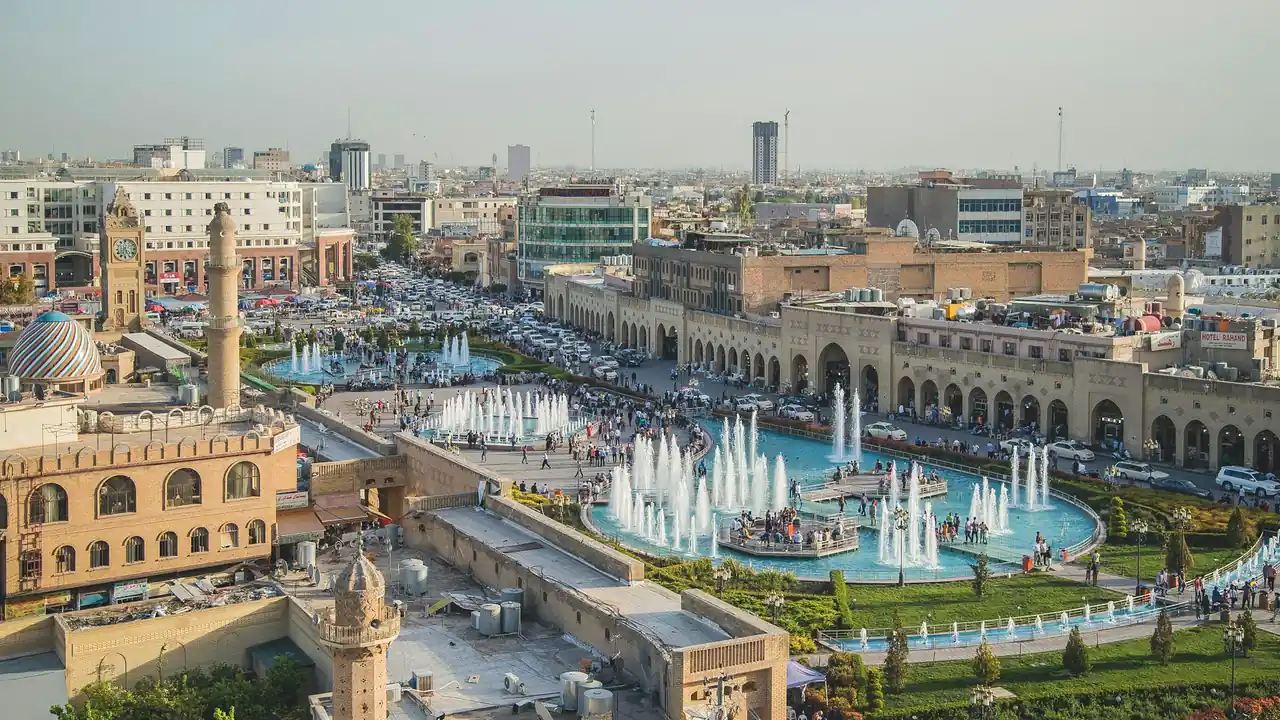
Iraqi Prime Minister Ali al-Zaidi has intensified pressure on the Kurdish autonomous region, prompting sharp pushback from regional leaders. Since taking office in April, al-Zaidi has issued a series of directives aimed at curtailing Kurdish autonomy, culminating in an order transferring control of Kurdistan's border crossings and oil fields directly to Baghdad.
The sweeping measures have immediately ignited a high-stakes political confrontation between the central government and the Kurdistan Regional Government. Prime Minister Masrour Barzani strongly condemned the decisions, dismissing them as utterly perplexing and unacceptable while noting they directly contradict previous understandings reached with federal authorities.
Baghdad Defends Centralized Sovereignty
Defending the controversial decrees, an Iraqi government spokesperson emphasized that national sovereignty remains indivisible. The federal administration has formally barred Kurdish authorities from exporting crude oil and petroleum products independently, mandating that all export authorizations must proceed exclusively through the federal Oil Ministry to prevent overlapping jurisdictions.
Since the fall of Saddam Hussein in 2003, the Kurdish population in northern Iraq has maintained direct control over regional oil reserves and established a robust self-governing administration. Over the past two decades, this autonomous enclave has managed its own security infrastructure to the extent that Sunni former Iraqi officials sought refuge there from pro-Iranian Shia factions.
Geopolitical Shifts and Security Vulnerabilities
The central government's assertive move to seize control of oil revenues coincides with the withdrawal of United States military forces from Iraq, including installations across Kurdistan. The departure dismantled US-supplied air defense systems throughout the region, leaving Kurdish authorities increasingly vulnerable to attacks from pro-Iranian militias and the Islamic Revolutionary Guard Corps at a time when Baghdad maintains close ties with Tehran.
Al-Zaidi's administration maintains that the centralization campaign is designed to restore state authority across all provinces following years of fragmented control. Alongside efforts to curb armed pro-Iranian factions, the prime minister is aggressively consolidating federal oversight over national energy resources that were previously controlled by regional power brokers.