Knesset Prepares Unprecedented Undo Legislation to Repeal Judicial Overhaul
Israel's incoming Knesset majority prepares an unprecedented Undo legislative procedure to fully repeal judicial overhaul and oversight laws passed by the previous parliament.
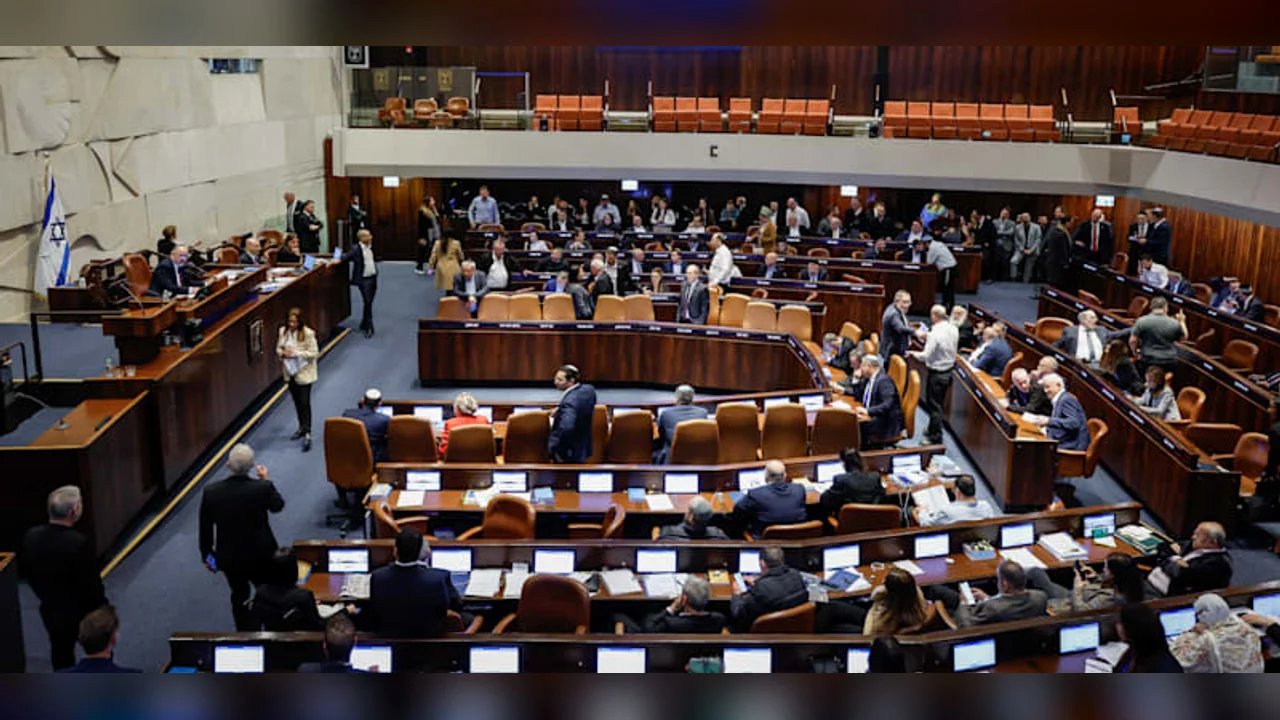
Israel's incoming parliamentary majority is preparing to launch an unprecedented legislative mechanism known as Undo legislation, designed to completely repeal controversial judicial overhaul laws enacted by the previous Knesset without reenacting the preceding legal status quo. The legislative package targets laws intended to dismantle governmental oversight, including measures weakening the Attorney General of Israel, altering the composition of the Judicial Appointments Committee, and restructuring the Department of Internal Police Investigations, alongside planned rollbacks of recent media and prime ministerial incapacitation laws.
Parliamentary Strategy and Committee Assignments
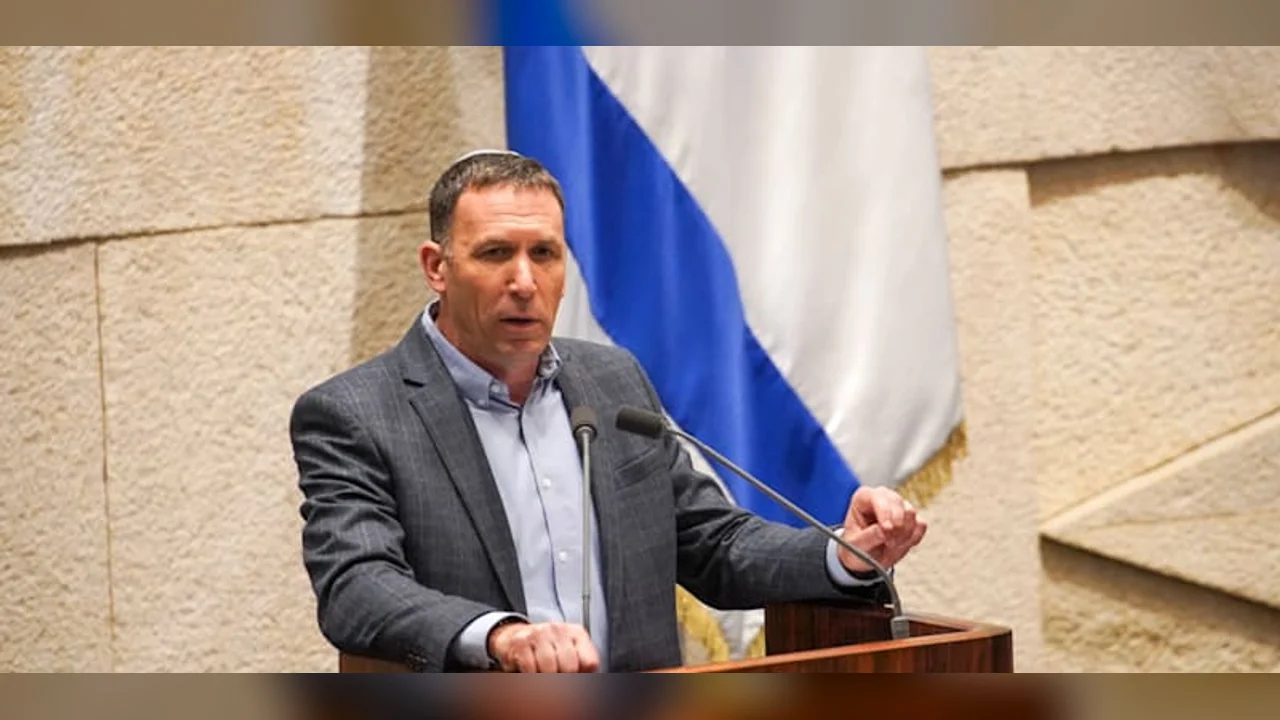
Having secured the backing of the Knesset's legal counsel, the proposed repeals face a fierce parliamentary battle as the new opposition demands the re-enactment of the struck-down statutes. Leaders of the Change Bloc, alongside Arab party leaders, have signed the preliminary readings for the repeal bills, which must advance through committee reviews and three Knesset plenums. Lawmakers from The Democrats have been chosen to spearhead the committees preparing the legislation, leveraging their experience fighting judicial overhaul bills in committee sessions led by Simcha Rothman.
MK Gilad Kariv is slated to head the committee handling the Attorney General and Judicial Appointments Committee measures, though his leadership will navigate a conflict of interest surrounding a separate leaked protocol investigation. MK Efrat Raitan will lead the committee tasked with repealing the Department of Internal Police Investigations law, while MK Naama Lazimi will oversee the panel revoking the new incapacitation law. Additionally, a committee to repeal the media law will operate under the leadership of Meirav Ben Ari.
Urgency of Delayed Implementation and Constitutional Debate
Because several core overhaul laws were passed with delayed implementation dates—such as the judicial appointments rules, the Attorney General regulations taking effect in January 2027, and the Department of Internal Police Investigations changes slated for February 2027—lawmakers face strict time constraints that necessitate the Undo mechanism. Proponents of the strategy argue that delayed implementation effectively subjected the measures to public debate during elections, leaving the final determination to the newly elected parliament. Legal scholars note that while critics fear the precedent could encourage successive parliaments to undo prior legislation, the mechanism remains justified under circumstances of democratic restoration and the reversal of autocratic centralization.
Judicial Scrutiny and High Court Proceedings
Simultaneously, the High Court of Justice is reviewing a controversial precedent that permitted Justice Minister Yariv Levin to appoint an external supervisor for a criminal investigation after senior prosecution officials recused themselves due to conflicts of interest. An 11-justice panel heard arguments regarding the legality of the appointment, with differing views among the bench regarding executive involvement in criminal proceedings. Justices led by Supreme Court President Isaac Amit and Justice Dafna Barak-Erez are examining the dangerous implications of expanding ministerial appointment powers into law enforcement, emphasizing that such executive interventions must remain strictly restricted to extreme scenarios where the entire prosecution leadership faces systemic conflicts of interest.