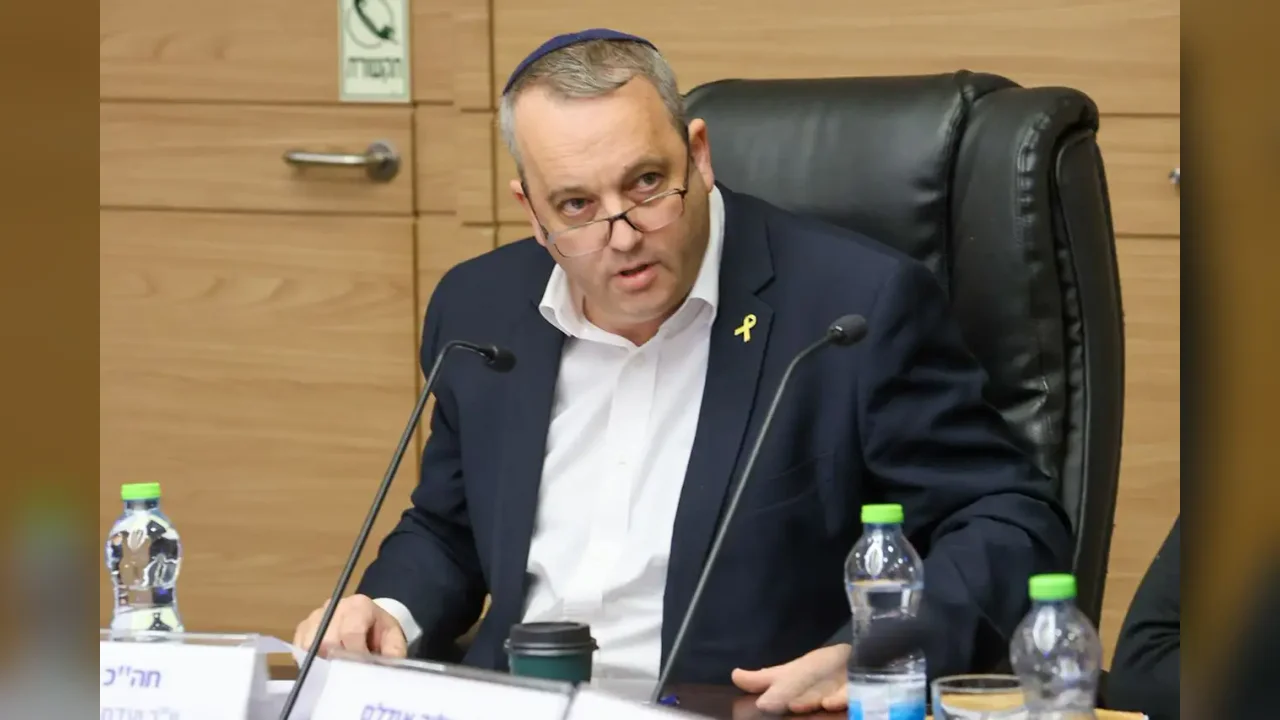
Knesset Approves Nine Temporary Deputy Speakers in 38-to-15 Plenary Vote
The Knesset approved nine temporary deputy speakers, including controversial appointments from Arab factions, highlighting the strategic power of parliamentary leadership and procedural control.
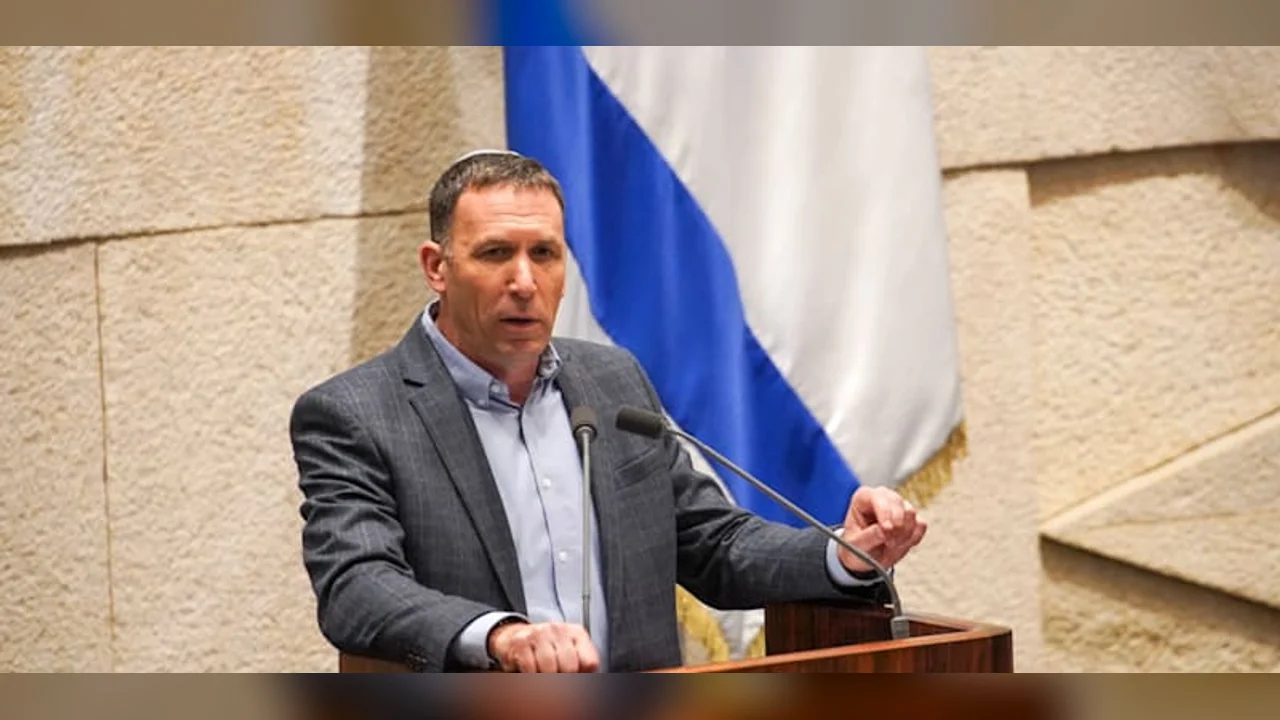
The Arrangement Committee recommendation to appoint nine temporary deputy speakers from across the political spectrum was approved in a 38-to-15 vote in the Knesset. The newly appointed deputies represent parties including BeYachad, The Democrats, Yisrael Beytenu, United Torah Judaism, Likud, Otzma Yehudit, and Shas. Two controversial appointments, Walid Taha of the Ra'am party and Ahmad Tibi of the Joint List, joined their ranks, sparking intense debate over the role and authority of the legislative leadership.
Powers and Duties of the Knesset Leadership
The Speaker of the Knesset may delegate the management of plenary sessions and other duties outlined in the parliamentary rules to any of the deputies, excluding budgetary management and secretariat administration. A designated deputy speaker holds full powers to maintain order, issue calls to order, expel unruly members, and determine voting procedures. Together, the speaker and deputies constitute the Knesset Presidency, which wields significant authority over legislative workflows.
According to the Knesset rules of procedure, the Presidency appoints the legislative secretary, approves the submission of private bills, and decides on urgent motions. Rule 75 stipulates that the Presidency must reject any legislative proposal that denies the existence of the State of Israel as the nation-state of the Jewish people or is racist in essence. The speaker also assumes presidential duties during the head of state's foreign travels or in the event of a health incapacity, suspension, or resignation.
Political Control over Parliamentary Procedure
Although the October elections yielded no clear majority for any single political bloc, the Change Bloc initiated a targeted effort to elect a new parliamentary speaker through cross-factional cooperation. Researchers note that control over legislative procedure equates to control over substantive content. Deciding whether to accelerate bills, limit discussion times, or fast-track urgent proposals directly impacts the legislative agenda and ultimate outcomes.
"In legislation, control over procedure is control over content. The choice to approve or deny queries, shorten review times, or advance specific proposals directly shapes the parliamentary agenda."
Appointment Limits and Removal Mechanisms
Section 10 of the Knesset Law limits the number of deputy speakers to nine, though the House Committee can vote by a three-quarters majority to temporarily waive this restriction for a specific parliamentary term. Suspending or removing a deputy speaker involves rigorous statutory hurdles. Suspension requires a majority vote in the Knesset following a House Committee proposal if criminal proceedings are initiated. Meanwhile, dismissing a deputy for unbecoming conduct demands a complaint backed by at least 61 members of parliament and an approval vote by three-quarters of the legislature.