Ombudsman Rebukes Judge for Searching Litigant Phone Without Consent
Judicial ombudsman Asher Koloh rebuked a judge for seizing a litigant's phone and searching contacts, ruling it a severe violation of privacy and outlining strict new search guidelines.
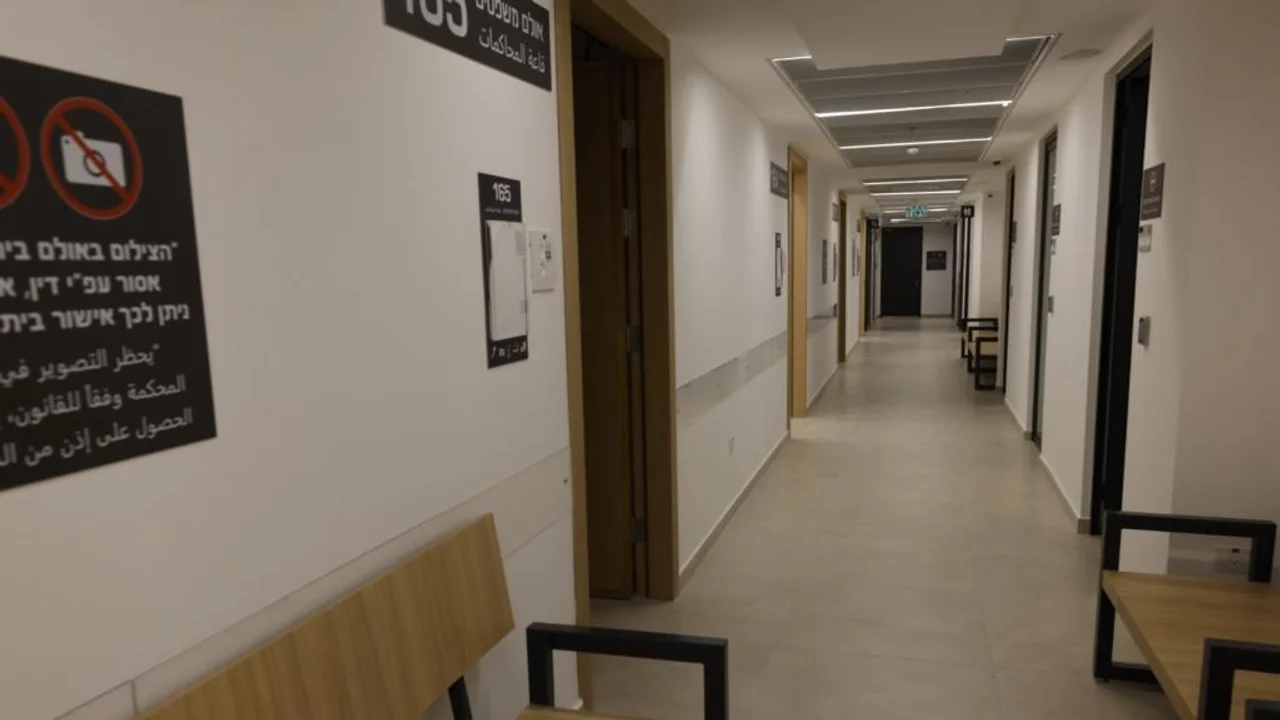
A judicial oversight ruling has rebuked a sitting judge for seizing a litigant's mobile phone during a civil hearing and examining its contact list without informed consent. The Disciplinary Ombudsman for Judges, retired Supreme Court Justice Asher Koloh, issued the decision on November 16, concluding that the inspection violated the core constitutional right to privacy and exceeded judicial authority.
The case arose after a litigant filed a complaint alleging that the judge took his personal phone in the courtroom, searched the contact list, and exerted power imbalances without informing him of his right to refuse. The complainant further asserted that the judge displayed judicial bias and hostility throughout the proceedings. In an initial response, the judge dismissed the complaint as vexatious and argued that civil procedure rules permit the court to order the production of any document, including digital devices. The judge maintained that his actions aimed to uncover the truth and prevent perjury, noting that the search was strictly limited to the dialer and contacts, conducted in the presence of legal counsel, and done in good faith.
Ombudsman Rejects Broad Interpretation
Ombudsman Koloh rejected the interpretation that a smartphone qualifies as a document reviewable under civil procedure regulations, terming the assertion flawed and far-reaching. Citing High Court of Justice precedent concerning the Public Defender's Office, Koloh emphasized that mobile devices contain deeply private personal data, meaning any inspection severely breaches constitutional privacy rights and requires explicit statutory authorization. Furthermore, the ombudsman determined that performing an independent digital search transforms a judge into an investigative agent, thereby compromising the separation between judicial adjudication and investigative functions.
While upholding the privacy violation, Koloh dismissed claims of personal bias against the complainant. He noted that the judge acted without malicious intent, expressed genuine remorse during the inquiry, acknowledged the inherent courtroom power asymmetry, and pledged never to conduct similar independent searches in the future. Consequently, Koloh issued a formal reprimand rather than pursuing harsher disciplinary sanctions.
New Guidelines for the Judiciary
Addressing the broader legal implications, Koloh stressed that privacy complaints regarding mobile device searches are weighty matters rather than frivolous grievances. He criticized the automatic defense strategy of branding complaints as vexatious. To prevent future incidents, the ombudsman issued binding guidelines for all judges:
-
Courts must avoid independent initiatives to seize, inspect, or search digital devices belonging to litigants or witnesses without an explicit motion and opportunity for a hearing.
-
If specific digital data is required, the court must direct the device owner to retrieve and present the information independently rather than performing the search from the bench.
-
Given inherent courtroom power dynamics, judges must explicitly inform individuals of their legal right to refuse information disclosure to ensure genuine consent and maintain the appearance of justice.