Israeli Opposition Unified on Knesset Speaker, Divided on Government Strategy
Israeli opposition parties agree on replacing the Knesset Speaker after elections, but remain deeply divided over forming minority governments and relying on Arab factions.

Opposition parties in Israel share a single overriding goal in the upcoming Knesset elections: unseating Prime Minister Benjamin Netanyahu. However, beneath this unified facade lies a maze of profound strategic disagreements regarding how to achieve this objective and what kind of government to form afterward. While a consensus exists on immediate parliamentary maneuvers, divisions over relying on Arab factions and forming minority governments threaten to fracture the anti-Netanyahu bloc.
The First Step: Replacing the Knesset Speaker
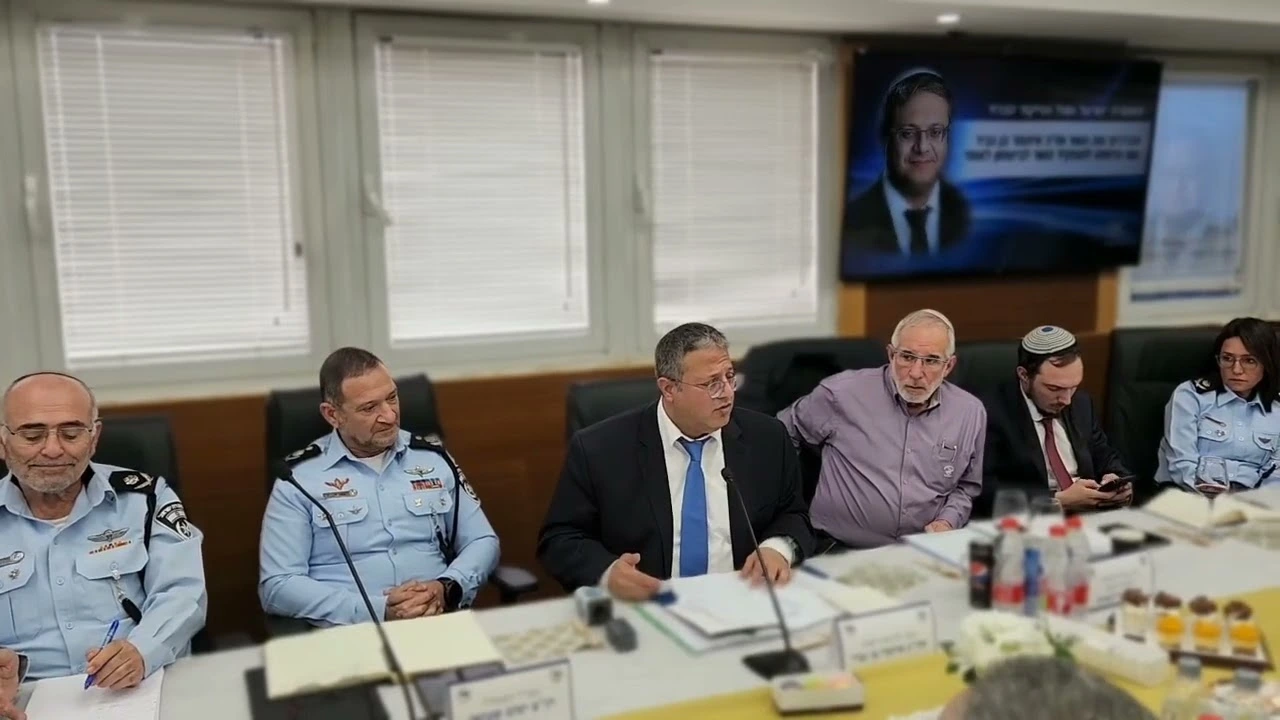
There is broad agreement among all opposition factions regarding the very first tactical move: replacing current Knesset Speaker Amir Ohana immediately following the elections. The strategy is to quickly forge a parliamentary majority to elect a new speaker from the opposition bloc before a new government is even sworn in. This maneuver would allow the bloc to control the Knesset's agenda and advance critical legislation, even if Netanyahu temporarily remains as transitional prime minister.
With a friendly speaker at the helm, the opposition intends to push through complex and contentious bills. These include establishing a state commission of inquiry into the October 7 massacre, limiting a prime minister's tenure to two terms, and dismantling legislation associated with the judicial overhaul. However, agreement on replacing Ohana masks deep fractures over what comes next.
Lieberman's Hardline Stance: Zionist Majority Only
Avigdor Lieberman, leader of Yisrael Beytenu, holds the most uncompromising position among opposition leaders. For Lieberman, replacing Netanyahu must be accomplished exclusively through a government backed by a Zionist majority of 61 Knesset members, completely independent of Arab parties. If such a majority is unachievable, his preferred alternative is heading straight back to new elections.
Furthermore, Yisrael Beytenu is pushing for a "Defendant Bill" that would legally bar a criminal defendant from serving as prime minister. Legal experts, however, doubt the bill would survive a High Court challenge, given its personalized nature targeting Netanyahu. Previously, the Supreme Court ruled that Netanyahu could serve as prime minister despite his ongoing corruption trial.
"We will not support any minority government, not even for a transitional period. We need a Zionist majority government, period," Lieberman declared last week.
Eisenkot and Minority Governments
In stark contrast to Lieberman, Gadi Eisenkot, leader of the Yashar! party—who polls suggest heads the largest faction within the bloc—does not rule out forming a minority government. He views it as a pragmatic solution if a definitive 61-mandate majority remains elusive.
"My goal is to win 63-45, but even if that doesn't happen, I am telling Netanyahu: I will not allow you to win by not losing," Eisenkot said in a recent interview. "If the worst-case scenario happens and we don't reach 61, I will put it to a vote based on the Zionist majority. I will tell all 120 Knesset members to vote according to their conscience. I will not ask the Haredim to vote for me, and I will not ask the Arabs to vote for me."
Under Eisenkot's plan, after replacing the Knesset speaker, the bloc could swear in a new government without a formal 61-seat coalition. The immediate objective would be unseating Netanyahu, followed by efforts to expand the coalition by attracting defectors from the current government, particularly Likud members willing to serve in a post-Netanyahu administration.
Bennett, Lapid, and The Democrats
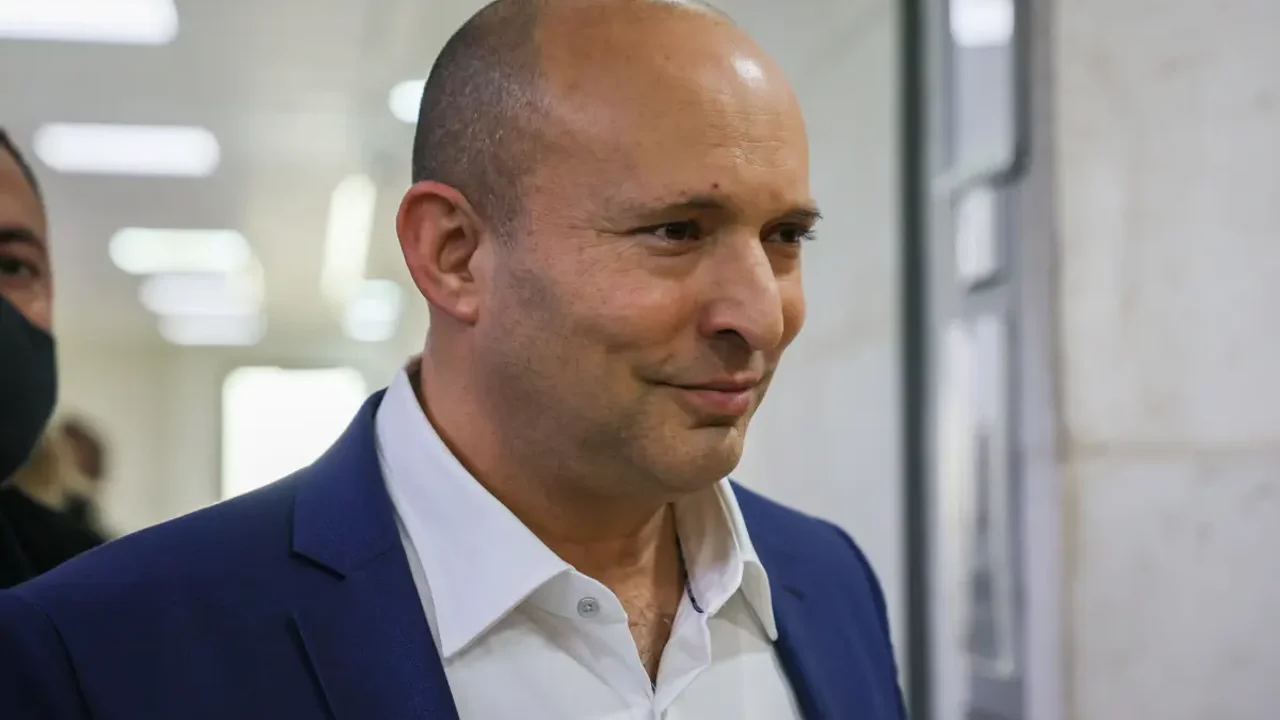
Meanwhile, the BeYachad party, led by Naftali Bennett and Yair Lapid, agrees on the necessity of replacing Ohana and advancing key legislation, including military conscription sanctions for ultra-Orthodox draft evaders. Yet, much like Lieberman, Bennett firmly rejects relying on the passive support or abstention of Arab parties to form a government. At a recent conference, Bennett dismissed such speculations, stating unequivocally, "We are going to form a Zionist government."
On the left of the political spectrum, Yair Golan, leader of The Democrats, adopts a vastly different approach. Golan explicitly refuses to rule out forming a government supported by Ra'am (the United Arab List) to secure a 61-seat majority. For Golan, cooperation with Arab factions is a legitimate path to governance rather than a mere temporary stepping stone.
These vast gulfs in strategy highlight the bloc's central vulnerability. While the anti-Netanyahu parties may muster the numbers to seize control of the Knesset podium, translating that fleeting parliamentary cooperation into a stable, cohesive governing coalition remains a monumental challenge.