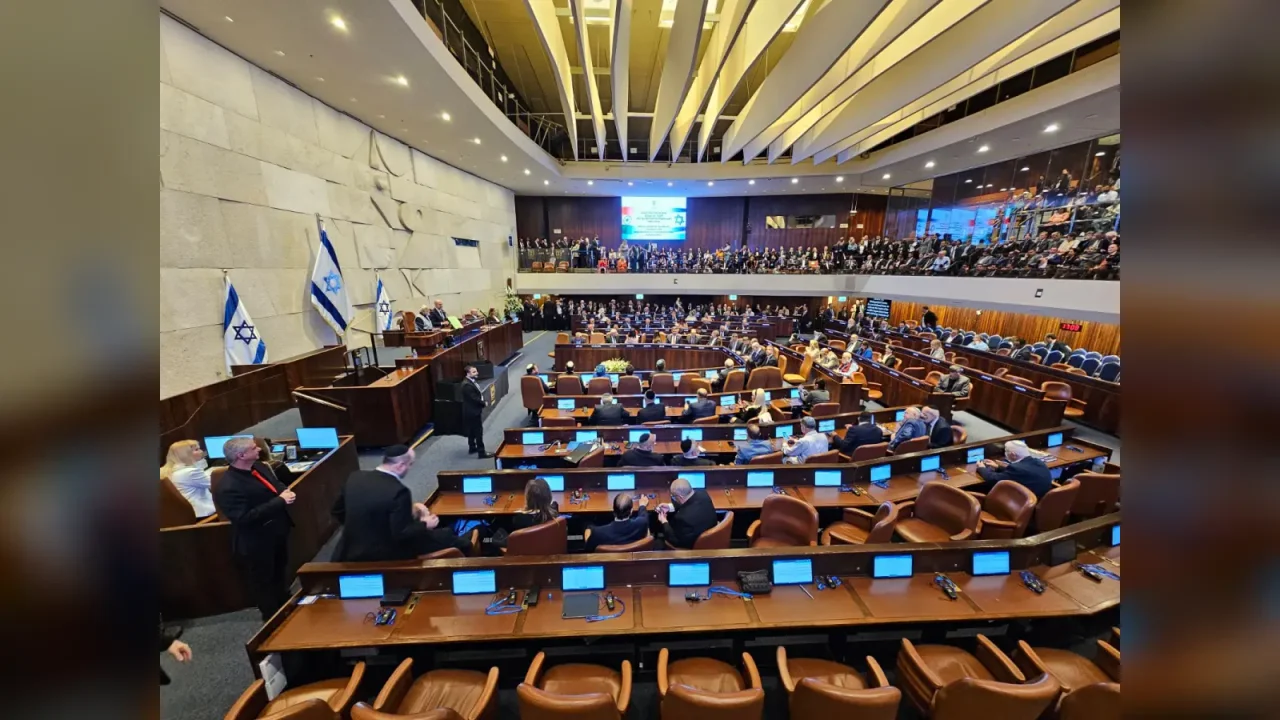
Israeli Opposition Weighs Strategy to Replace Knesset Speaker Amir Ohana
Israeli opposition factions are exploring a strategic push to replace Knesset Speaker Amir Ohana, with Gadi Eisenkot emerging as a surprise candidate. The maneuver requires navigating complex parliamentary rules and coalition dynamics.
Following the election results, opposition factions have begun discussing a strategic political maneuver that can be executed even without forming a government: replacing the Speaker of the Knesset. Although the role may seem largely formal, it holds substantial power and influence over the parliamentary agenda and legislative proceedings. According to reports, Gadi Eisenkot has emerged as a surprise candidate for the position.
Reports indicate that a majority already exists in the Knesset to unseat the current Speaker, Amir Ohana, with the anti-Ohana bloc potentially commanding an even larger majority than initially anticipated. Political analysts note that appointing a temporary Speaker involves careful strategic planning, as once a Speaker is appointed, removing them through standard parliamentary procedures is exceptionally difficult. If a unity government is eventually formed, Eisenkot would likely transition into a ministerial role, vacating the parliamentary chair.
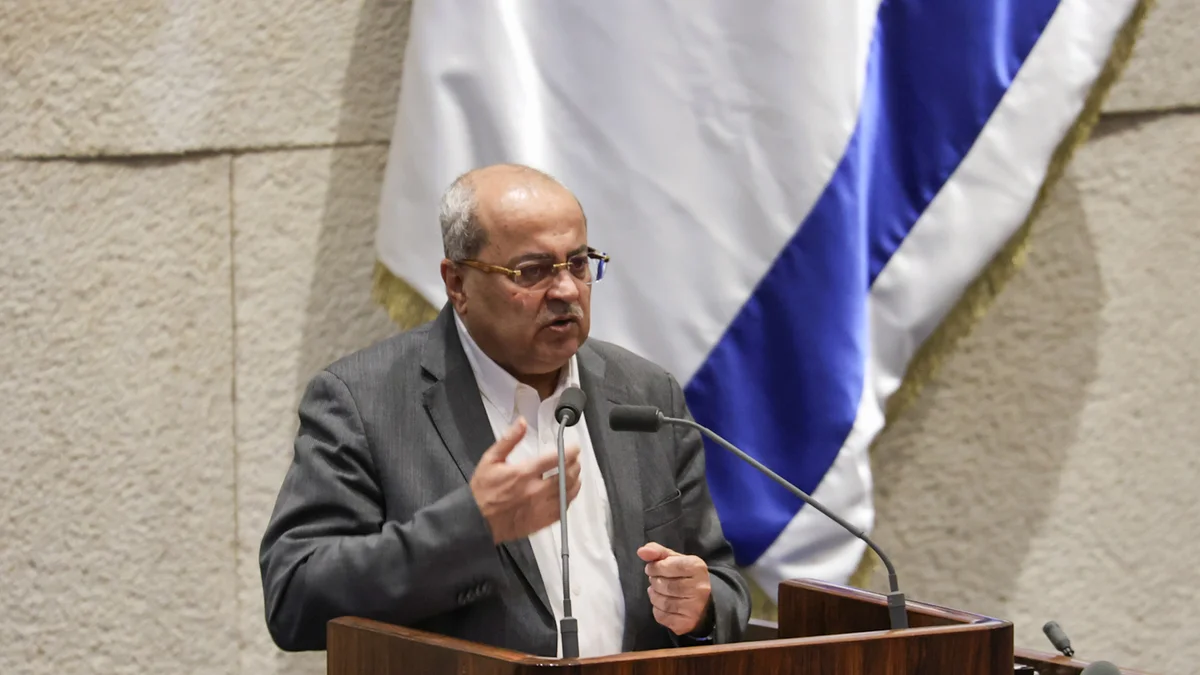
However, implementing this scenario hinges on the political backing of Yisrael Beytenu leader Avigdor Lieberman, whose support remains crucial for providing Eisenkot with sufficient political maneuvering room. Meanwhile, Hadash-Ta'al leader Ahmad Tibi has expressed willingness to cooperate with efforts to replace the current parliamentary leadership, stating that his faction is ready to assist any initiative aimed at removing the government.
While the Speaker and deputy speakers wield significant control over the plenum's agenda and debate management, replacing the Speaker does not grant unilateral authority to establish a state commission of inquiry or appoint the state comptroller. Commission setups and comptroller elections follow strict statutory regulations, meaning that replacing the Speaker serves as part of a broader parliamentary strategy rather than a standalone solution.