Failed Knesset Lists to Receive State Funding Despite Missing Threshold
Parties led by Yoaz Hendel, Yaron Zelecha, and Ofer Winter missed the Knesset but secured state funding after passing the 1% threshold, though they still face heavy debts.
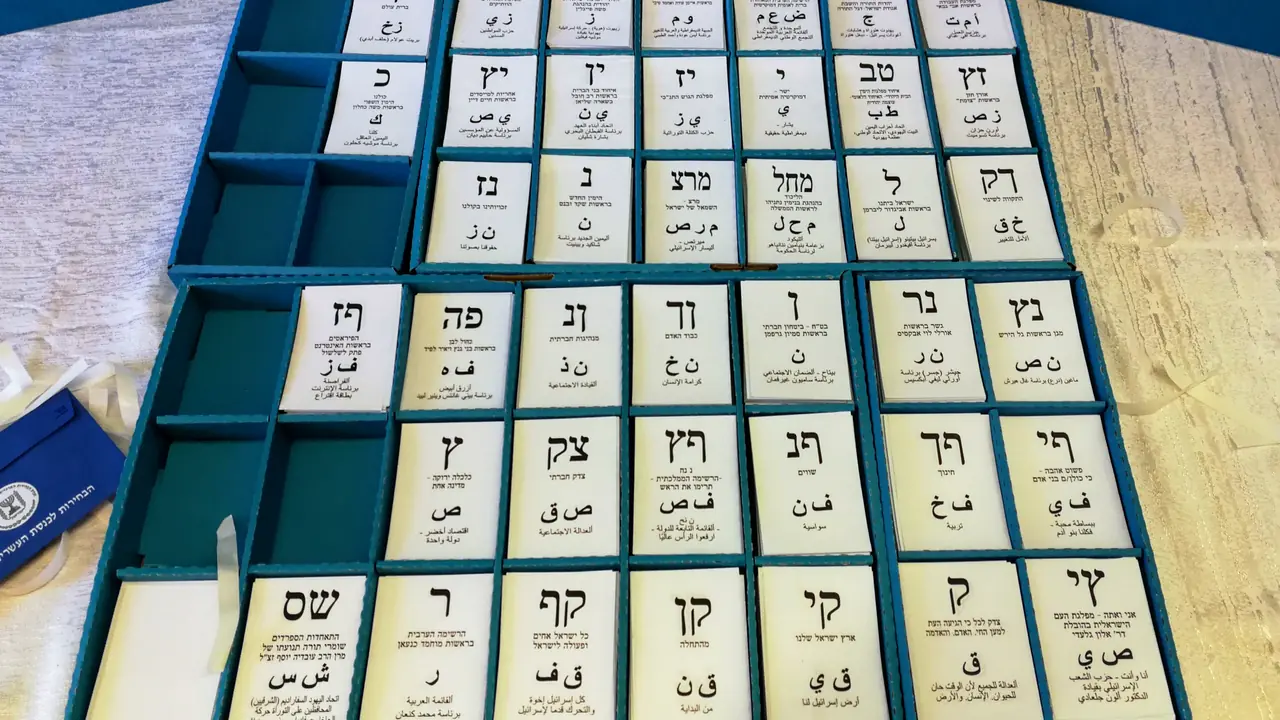
Despite failing to cross the 3.25% electoral threshold for the 26th Knesset, several non-represented parties are set to receive millions of shekels in state funding. According to Israel's Party Financing Law, any electoral list that secures at least 1% of the valid votes is entitled to a single funding unit, providing financial relief to campaigns that fell short of parliamentary representation.
Two notable lists that missed the Knesset despite substantial support were the Reservists & Economic Party, led by Yoaz Hendel and Yaron Zelecha, and the Amcha Yisrael Party, led by Ofer Winter. Together, the two factions garnered over a quarter of a million votes. The Reservists & Economic list received 154,950 votes, or 2.72% of valid ballots, while Winter's Amcha Yisrael secured 95,663 votes, amounting to 1.68%.
Under the statutory funding mechanism, each of the two lists is expected to receive a single financing unit valued at approximately 1.835 million shekels. However, media reports indicate that this state allocation will fall short of covering the total expenses incurred during the heated election campaign, leaving the organizers facing significant deficits.
Ofer Winter's party took out loans totaling approximately 8.538 million shekels while raising a mere 42,000 shekels in donations, alongside securing 11.4 million shekels in personal guarantees. Consequently, Winter will remain burdened by multi-million-shekel liabilities even after the state funds are disbursed. Similarly, the list led by Yoaz Hendel and Yaron Zelecha secured 7.1 million shekels in guarantees and roughly 655,000 shekels in donations, but carries legacy debts from previous electoral cycles that will leave them over a million and a half shekels in the red.
While parties that successfully entered the 26th Knesset will also receive ongoing monthly state allocations based on their number of mandates, the extra-parliamentary lists must use their one-off state grants strictly to settle accumulated campaign debts rather than political operations.