Knesset Finance Committee Appoints New Members with Corporate Backgrounds
Seventeen lawmakers have joined the temporary Knesset Finance Committee, featuring several new members with extensive executive and corporate backgrounds from the private sector.

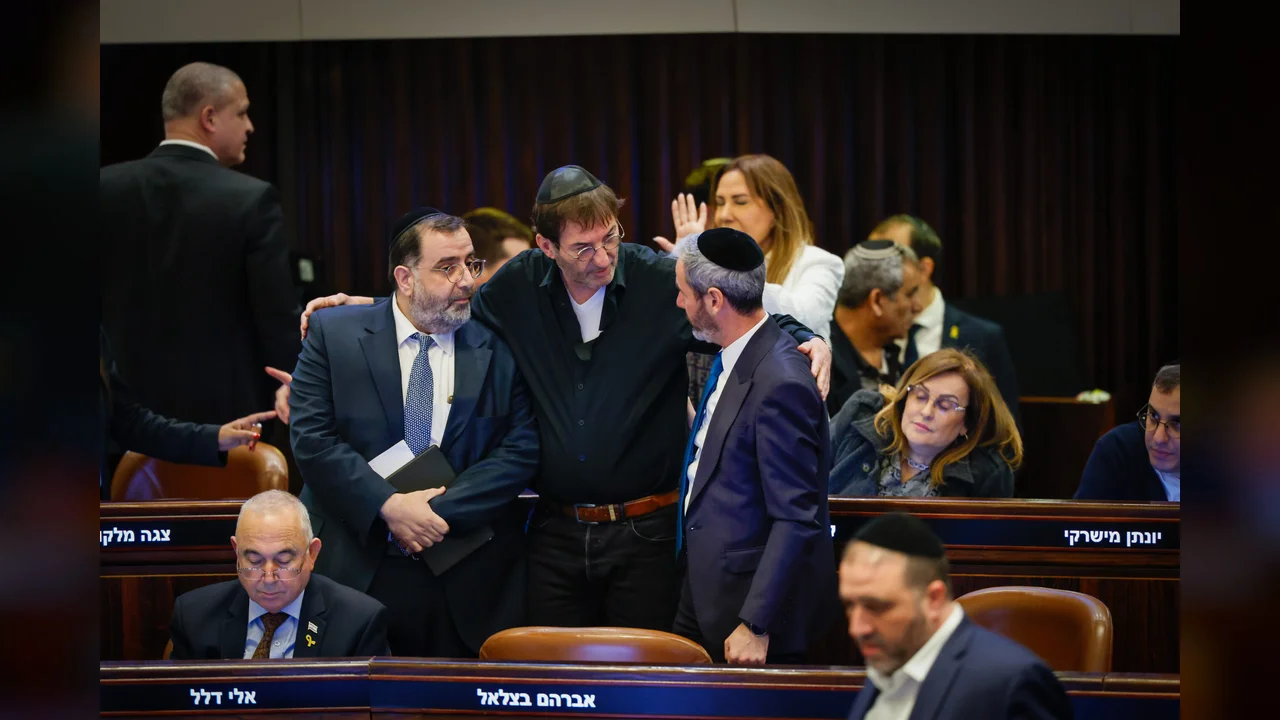
Seventeen members of the Knesset have been appointed to the temporary Finance Committee, featuring nine new legislators alongside eight experienced members. The newly formed committee brings together lawmakers from across the political spectrum, including Liran Avisar Ben-Horin and Noam Tibon from the BeYachad list, Yaakov Bardugo, Tali Guili, and David Peter from Likud, Shaul Meridor from Yashar!, Yaya Fink from The Democrats, and Tzvika Mor from Religious Zionism. An additional representative from the Joint List is expected to be finalized shortly, bringing fresh political faces into the legislative oversight process.
Business Background and Private Sector Expertise
A notable shift in the committee's composition is the prominent background of several new members who transitioned directly from senior executive and corporate roles in the private sector. Liran Avisar Ben-Horin, slated to serve as the temporary committee chair, recently stepped down from her position at the Keystone infrastructure fund, which holds major stakes in energy assets and a forty percent share in HOT Mobile. Shaul Meridor brings extensive fiscal experience, having previously served as the Budget Director at the Ministry of Finance and later as Chief Financial Officer of the Jerusalem-based artificial intelligence unicorn Lightricks. Other business-oriented members include real estate entrepreneur Yaakov Bardugo, former defense executive and corporate director Noam Tibon, and administrative litigator David Peter.
Budgetary Oversight and Legislative Agenda
Until a new government coalition is formally established, the temporary committee will focus primarily on general economic policy discussions and reviewing urgent budget transfer requests submitted by the Ministry of Finance. With the fiscal year drawing to a close in December, ministries are rushing to secure funding approvals to prevent administrative disruptions under a continuous budget framework for the upcoming year. Veteran members such as Orit Farkash Hacohen, Naama Lazimi, Yaakov Asher, and Yinon Azoulay join the newcomers to oversee these allocations, balancing diverse political interests while navigating complex fiscal demands.
Ethics and Conflict of Interest Regulations
Under existing Knesset ethics rules, lawmakers are not automatically required to establish a binding conflict of interest arrangement with the legal advisory team unless they voluntarily request a formal review. Instead, members holding direct financial interests or assets relevant to specific parliamentary discussions are obligated to issue a public disclosure at the outset of the session and abstain from voting on those specific matters. Designated leaders, including incoming chair Avisar Ben-Horin, have indicated they will delegate authority or recuse themselves whenever regulatory overlaps arise between their past private sector ties and active parliamentary legislation.