B'Tsalmo Urges Immediate Reinstatement of Knesset Ethics Committee Amid Rising Conduct Concerns
The B'Tsalmo organization urged Knesset leadership to immediately reinstate the parliamentary Ethics Committee, warning of severe conduct deterioration, unmonitored foreign trips, and conflicts of interest.
The B'Tsalmo human rights organization has formally urged parliamentary leadership to immediately complete the formation of the Knesset Ethics Committee, citing a severe deterioration in legislative conduct and a total lack of regulatory oversight.
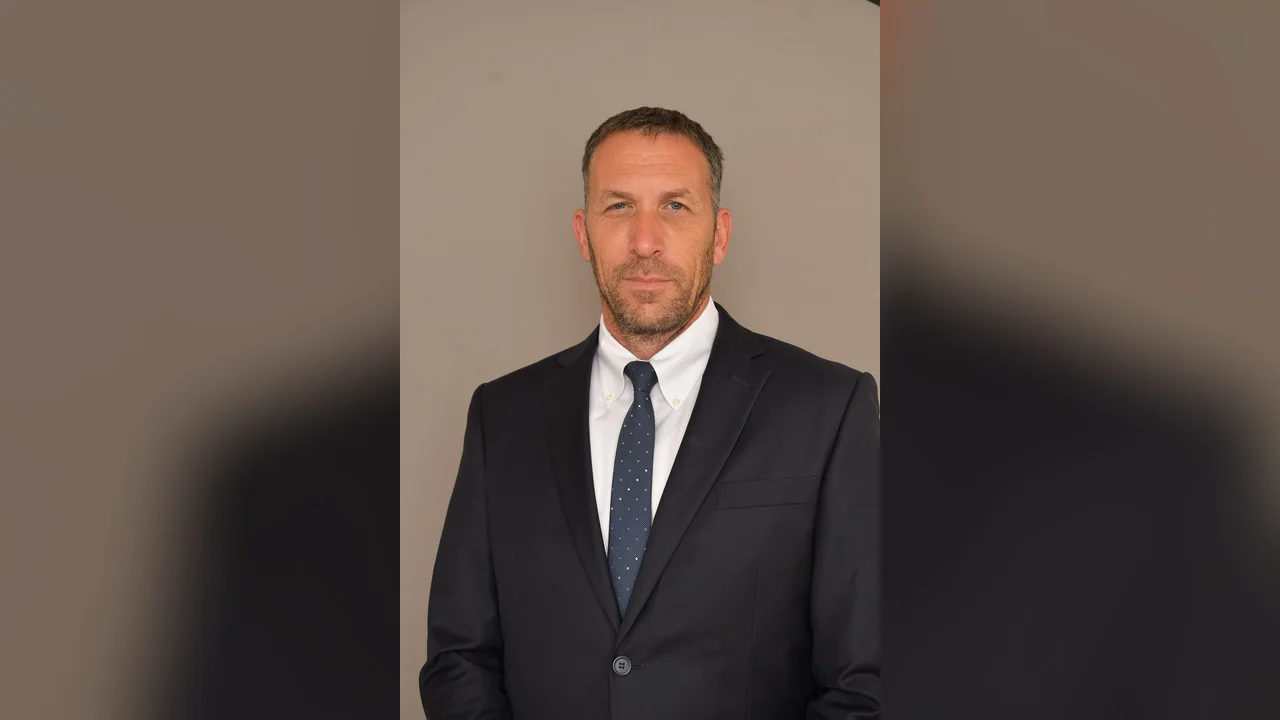
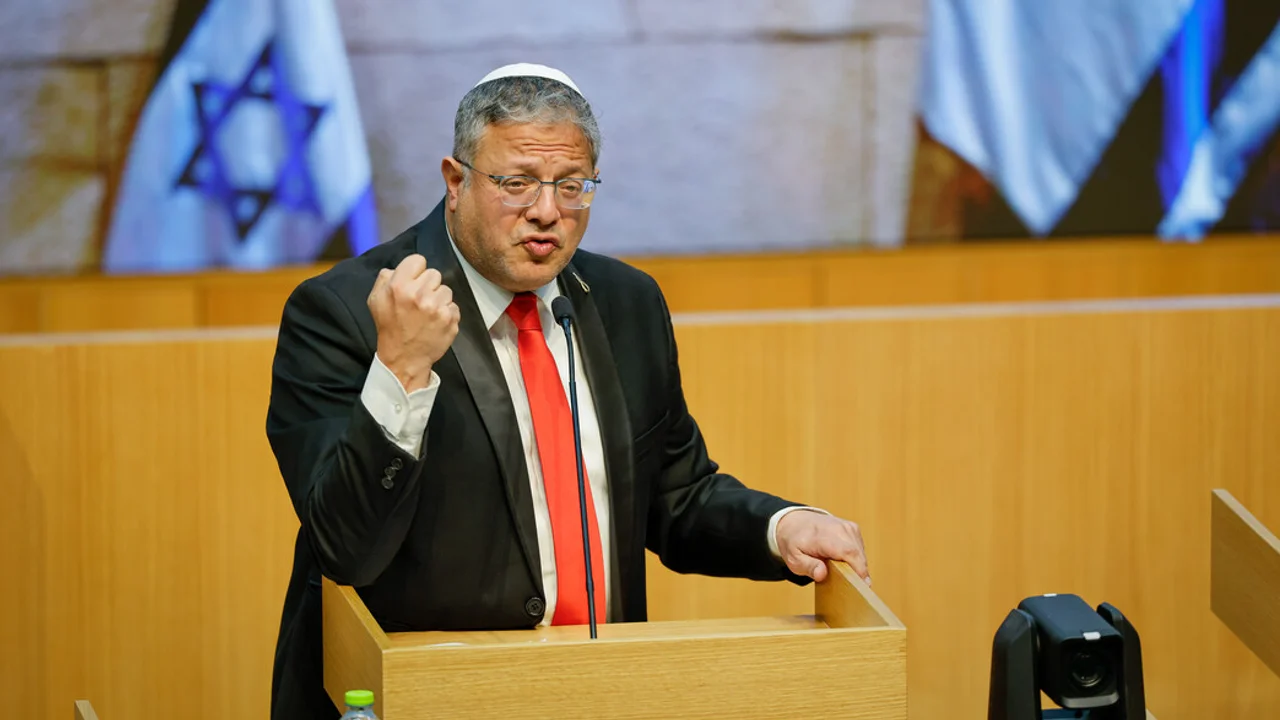
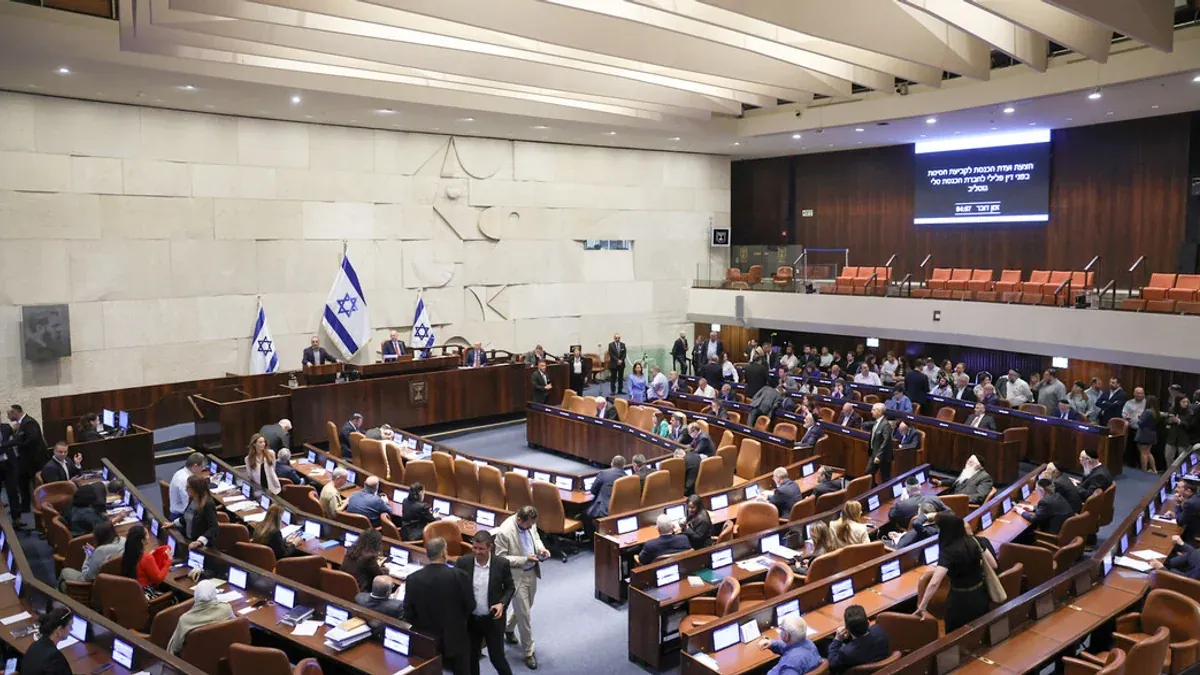
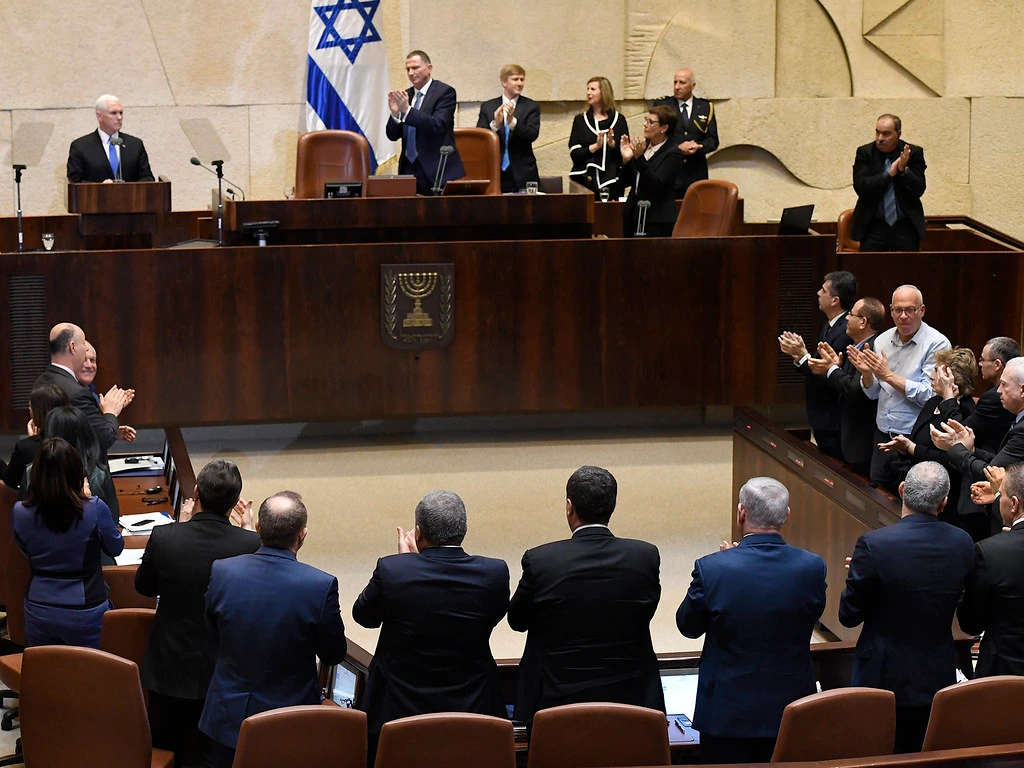
The urgent appeal was submitted by B'Tsalmo Chief Executive Shai Glick and addressed to Knesset Speaker Matan Kahana, House Committee Chairman Roey Folkman, and Knesset Legal Advisor Sagit Afik. According to the organization, the parliamentary compound is currently experiencing an intolerable reality characterized by escalating hostile discourse, personal insults, defamation, and mutual degradation during plenum sessions and committee meetings.
Concerns Over Conflicts of Interest and Foreign Trips
The letter emphasizes that the problem extends far beyond basic legislative discipline and touches upon the core of public integrity. The organization warned that several committee heads, including the chairman of the Finance Committee, are allegedly operating under significant conflicts of interest without mandatory regulatory guidelines to protect the public interest.
Furthermore, the absence of an active ethics panel has left foreign travel approvals for lawmakers entirely unchecked. B'Tsalmo cautioned that external funding for international trips, alongside questions regarding secondary employment and capital declarations, currently lacks essential oversight, creating severe ethical vulnerabilities.
Scope and Powers of the Ethics Panel
The Knesset Ethics Committee is legally mandated to enforce the ethical code governing members of parliament, adjudicate complaints, interpret ethical rules, and review foreign travel not funded by the state. The four-member panel comprises two coalition representatives and two opposition representatives appointed by the Knesset Speaker.
While the committee lacks the authority to strip a lawmaker of voting rights, it holds powers to impose various sanctions, including formal reprimands, suspension from parliamentary sessions, revocation of speaking privileges, bans on submitting bills, and even salary forfeiture in specific cases. B'Tsalmo concluded that maintaining the paralysis of the ethics body severely undermines the legislature's role and projects an image of unaccountability to the public.