UTJ Lawmakers Advance Draft-Evader Arrest Freeze Bill in the Knesset
MKs Meir Porush and Eliakim Stark submitted a bill to freeze draft-evader arrests for a year, putting pressure on the Change Bloc during coalition talks.
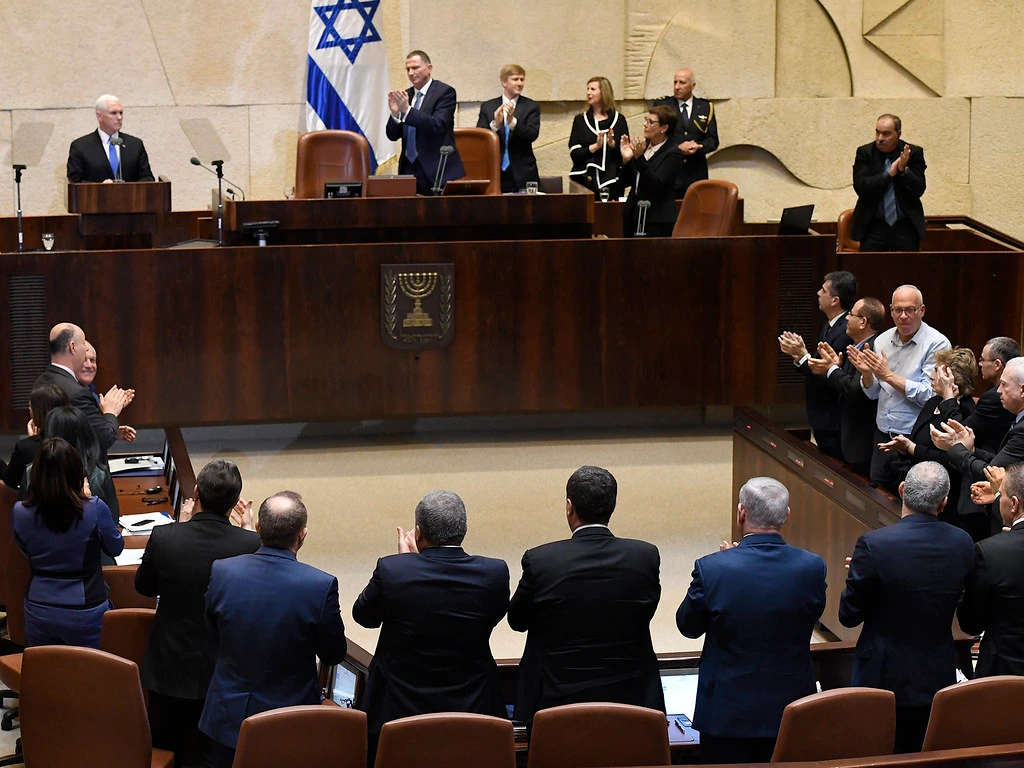
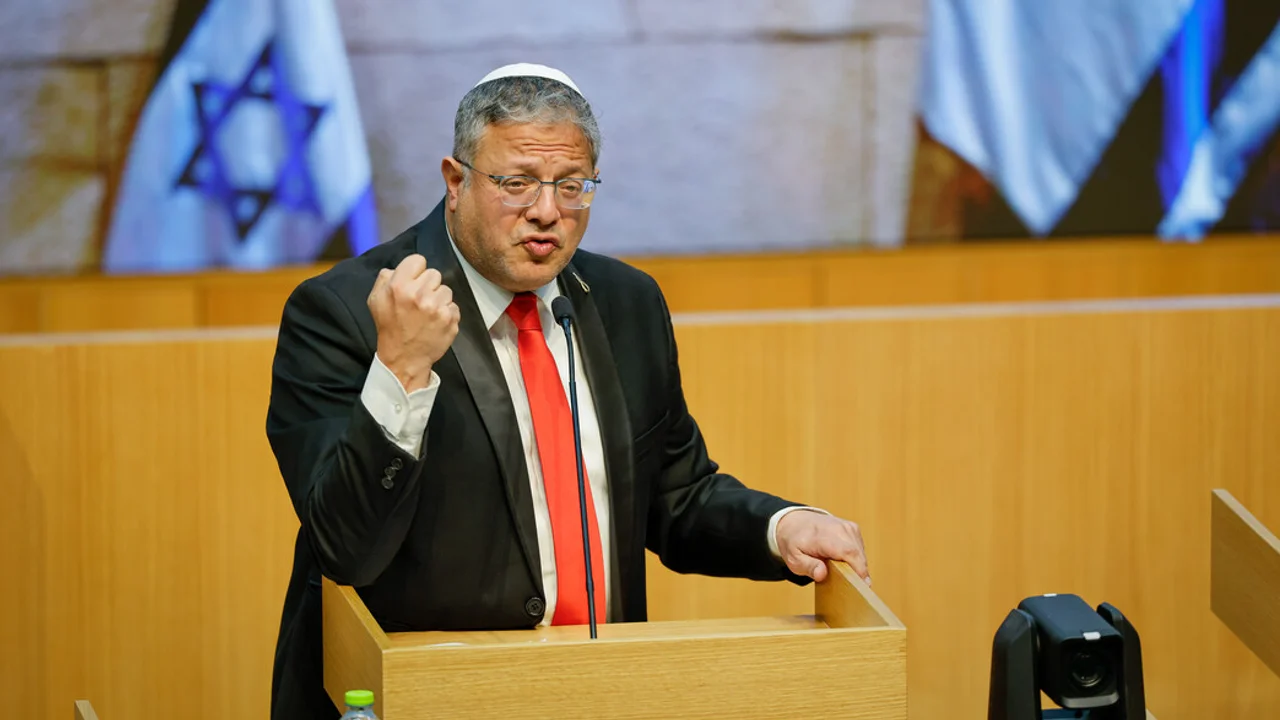
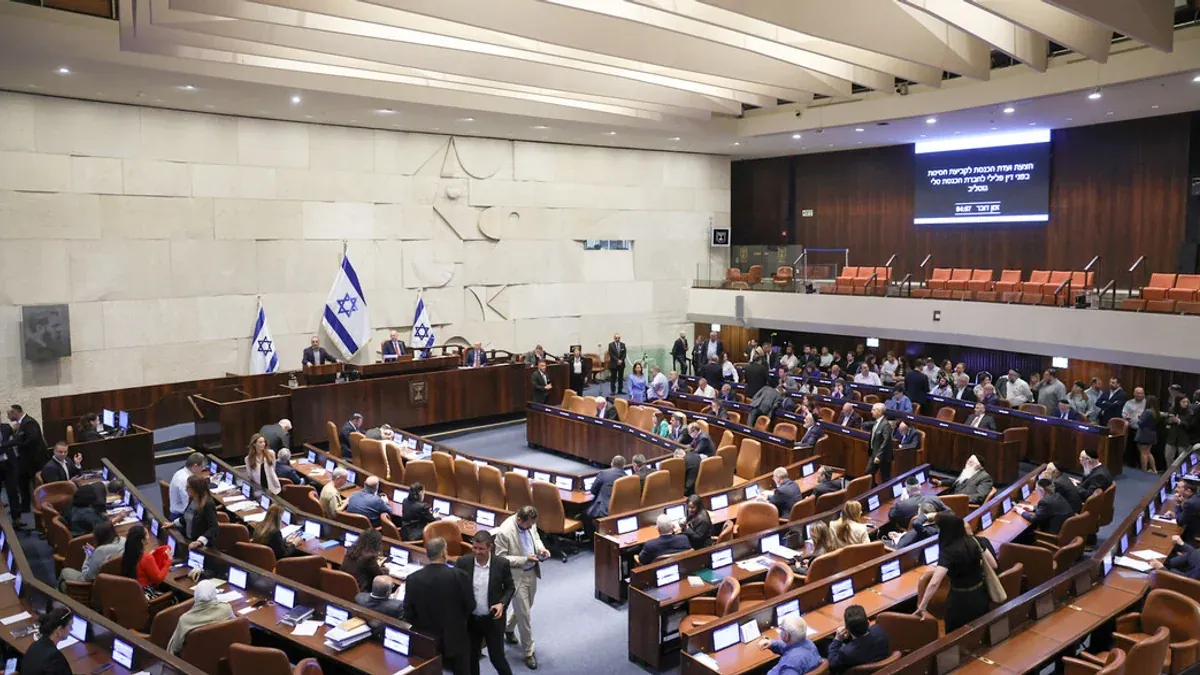
Members of the Knesset Meir Porush and Eliakim Stark from the United Torah Judaism faction have submitted a bill proposing a one-year freeze on the arrest of military draft evaders. Assuming the proposal receives an exemption from the standard waiting period, a preliminary reading vote is scheduled for the upcoming Wednesday, potentially placing the Change Bloc factions in a political dilemma. Last week, Shas introduced a similar measure seeking exemptions for yeshiva students until the formation of a new government.
The High Court of Justice struck down a comparable proposal last summer intended to halt arrests through the end of January, and legal analysts note that passing a similar version through the current Knesset faces severe judicial hurdles. The sponsors utilized the exact text previously rejected, which includes establishing a committee of senior officers to approve exemptions—a mechanism strongly opposed by IDF Chief of the General Staff, Lt. Gen. Eyal Zamir. Porush and Stark filed the proposal representing the Torat Chomat Yisrael faction, which split from Agudat Yisrael while remaining aligned within the United Torah Judaism alliance. Porush, known as a prominent right-wing lawmaker, is reportedly attempting to complicate the formation of the emerging alternative government.
Political Pressure and Coalition Demands
Through this legislative maneuver, Shas and Torat Yisrael aim to pressure the Change Bloc to support the arrest-freeze legislation after their requests to enact the law prior to coalition finalization were rejected. Representatives from both parties stated that backing from Yesh Atid and allied factions such as BeYachad, Yisrael Beytenu, and The Democrats during the preliminary vote would signal seriousness in ongoing coalition talks. However, absent substantial breakthroughs in negotiations, political observers view cooperation from the bloc as highly unlikely.
The explanatory notes accompanying the bill state: "This bill is submitted against the background of a Jewish and social state of emergency. The primary objective of this emergency regulation is to halt the wave of arrests, prevent severe damage to the shared fabric of life, and ensure quiet and stability through a temporary freeze on arrest, investigation, and criminal enforcement proceedings against yeshiva students whose Torah is their full-time occupation, pending a comprehensive legislative settlement of their status."
Legal Context and Criticisms
The initiative relies partly on the proposed Basic Law: Torah Study, which designates Torah study as a foundational value in the heritage of the Jewish people and the State of Israel. Under the proposal, the suspension of legal proceedings is contingent upon full-time yeshiva attendance without secondary employment or academic studies, effectively restricting participants from entering the workforce or higher education.
Shas Chairman Aryeh Deri commented on the ongoing dispute:
"It is unacceptable that the state continues to arrest yeshiva students and deprive them of their liberty. Today it is clear to everyone that the persecution of Torah scholars was part of a cynical political campaign. The time has come to stop the abuse of an entire public and the division among the people!"
In early September, a nine-justice panel of the High Court of Justice, headed by Deputy President Noam Sohlberg, unanimously ordered the cancellation of the previous exemption law protecting draft-evading yeshiva students, citing severe procedural flaws. Legal experts emphasize that advancing such a complex arrangement without full cooperation from the parliamentary majority remains a formidable legislative challenge.