Knesset Election Financing Reaches 300 Million NIS Amid Technical Party Splits
The 26th Knesset election financing will cost 300 million NIS, inflated by technical party splits that netted factions millions in extra state funds.
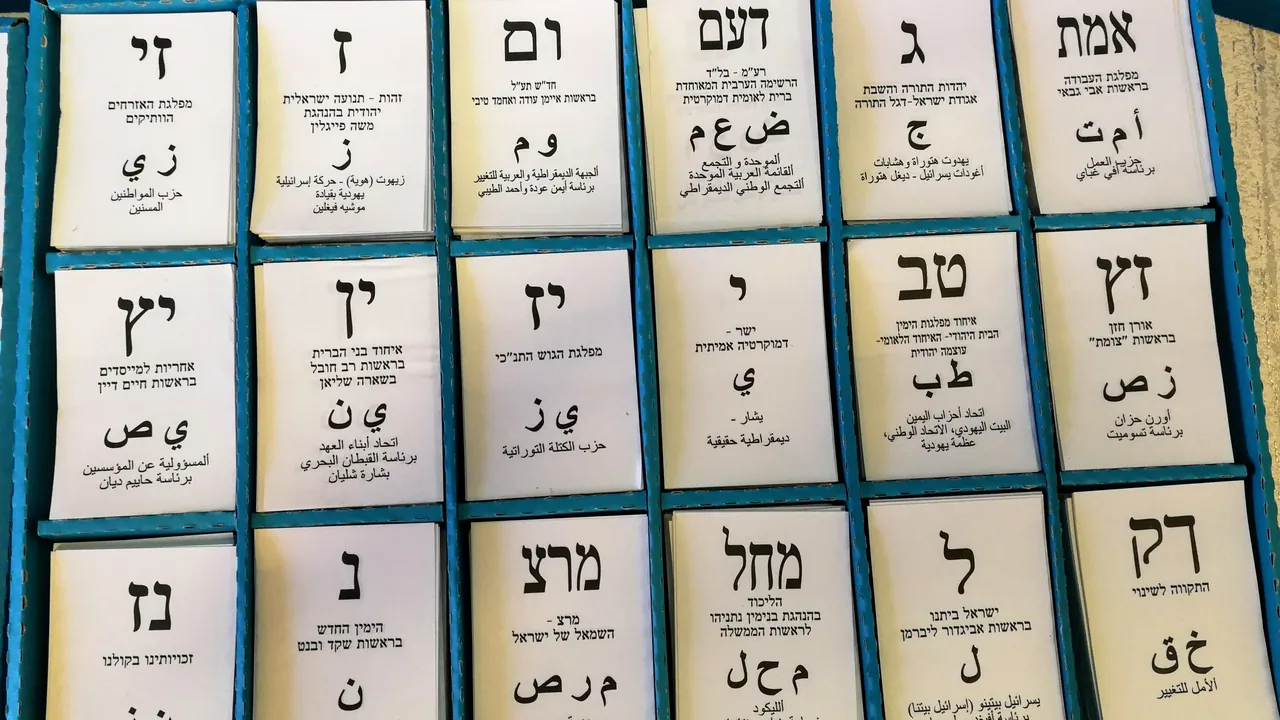
The financing cost for political parties running in the 26th Knesset elections stands at 300 million NIS, according to an analysis by local media. Five electoral lists—Likud, Religious Zionism, Otzma Yehudit, United Torah Judaism, and the Labor-Meretz alliance—competed by artificially splitting into two separate parties each, utilizing a technical maneuver to maximize state allocations.
This technical fragmentation increased election campaign funding by 12.8 million NIS and boosted ongoing monthly party allocations by 24 million NIS across a four-year term. Under the current party financing law, state allocations are calculated using a complex formula based on the average number of Knesset members from the outgoing and incoming terms, multiplied by a base unit of 1.835 million NIS per MK, plus an additional fixed allocation per list.
Over the years, major factions altered the calculation method to soften the impact of declining mandate counts. For the upcoming 26th Knesset, the base financing unit per MK was raised to 1.835 million NIS, while the additional fixed grant per party surged to 2.569 million NIS. This lucrative structural flaw incentivized lists to split technically, allowing each fractional entity to claim an extra 2.569 million NIS in campaign funding.
Furthermore, several parties that failed to cross the electoral threshold but secured at least 1% of the valid votes will still receive state funding. The Miluimnikim (Reservists) party led by Yoaz Hendel and the New Economic party led by Yaron Zelecha are each set to receive 918,000 NIS. Meanwhile, accumulated historical debts owed by various factions to the Knesset—such as 15 million NIS combined from Blue and White, Miluimnikim, and Noam—raise serious concerns regarding uncollectible state loans.