Knesset Bill Proposes Heavy Sanctions for Refusing to Label Hamas Terror
A new Knesset bill proposes indefinite parliamentary sanctions for lawmakers who refuse to recognize Hamas as a terrorist organization, sparking sharp debate.
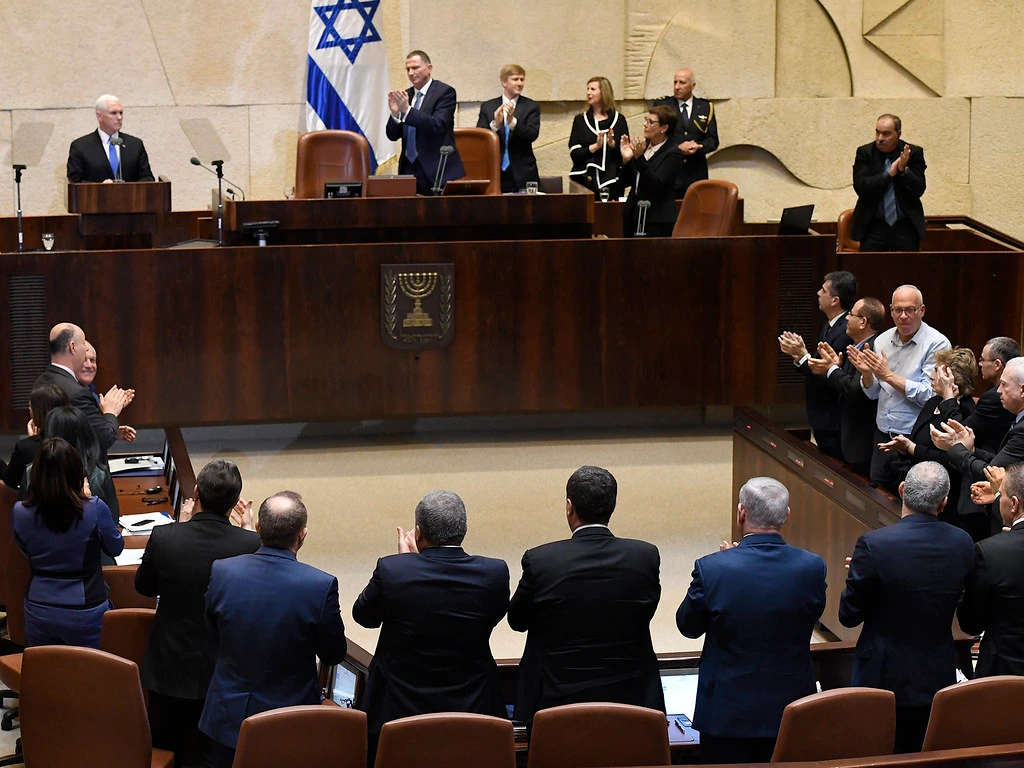
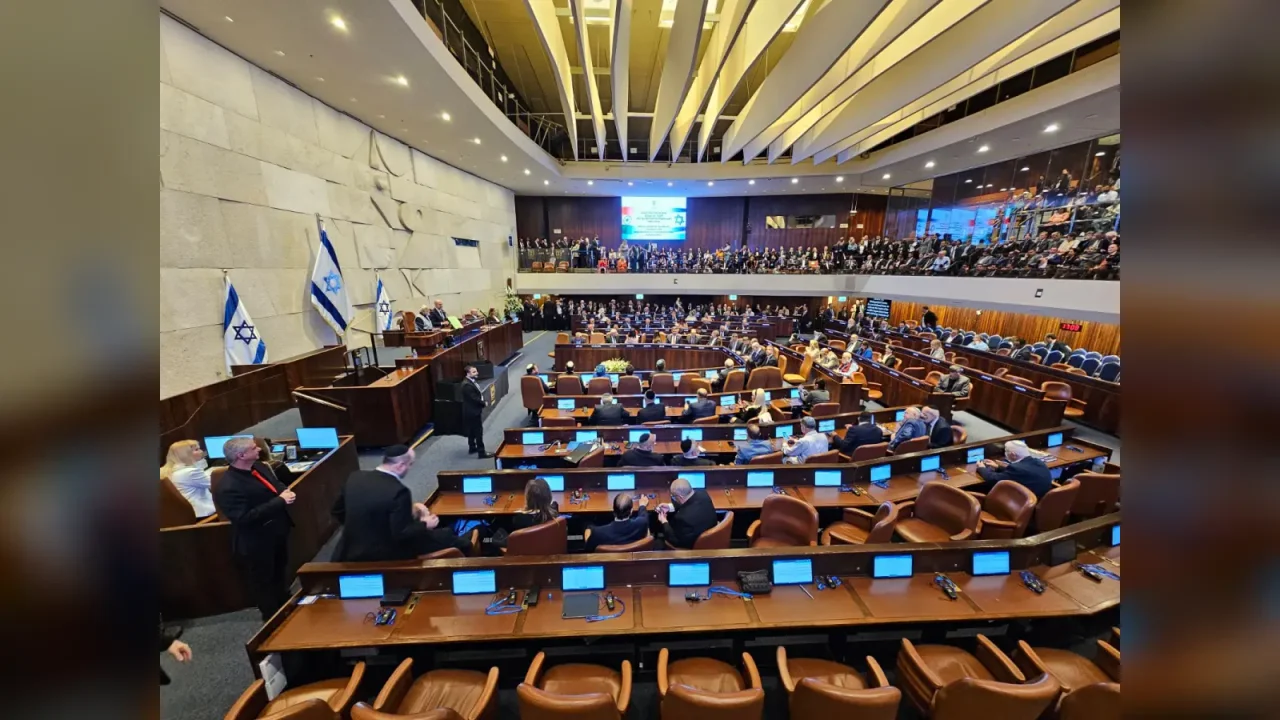
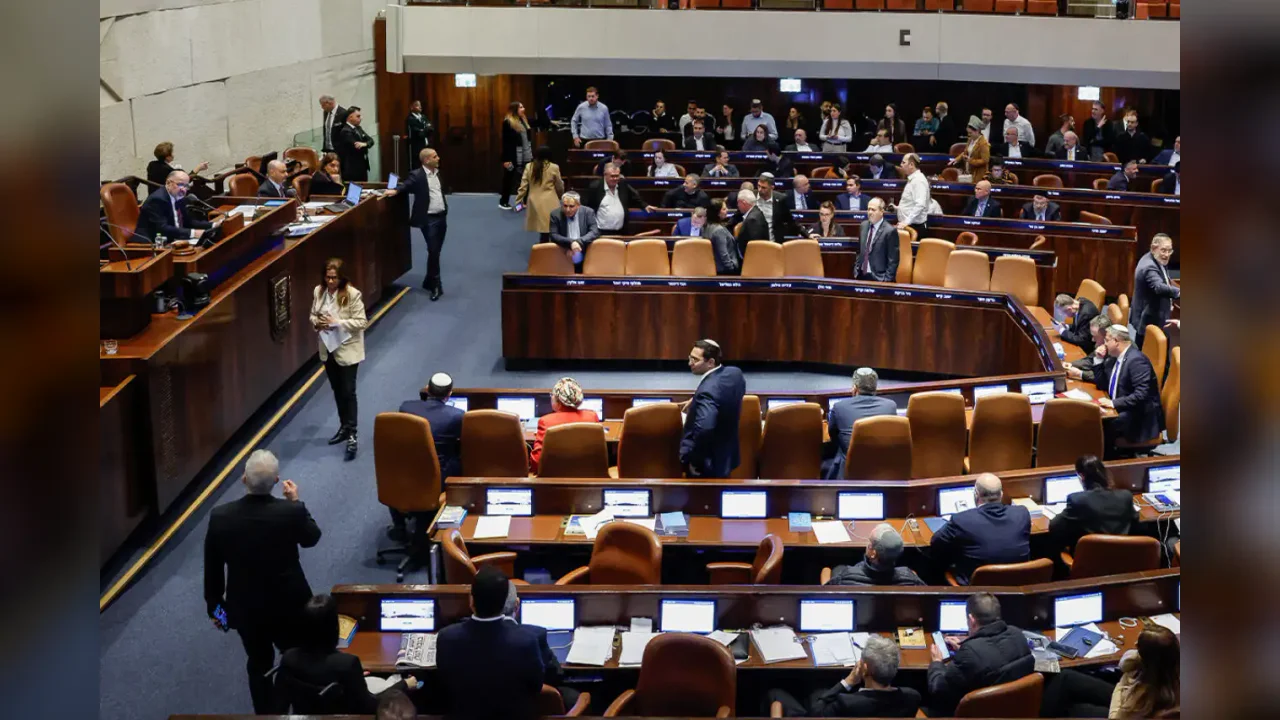
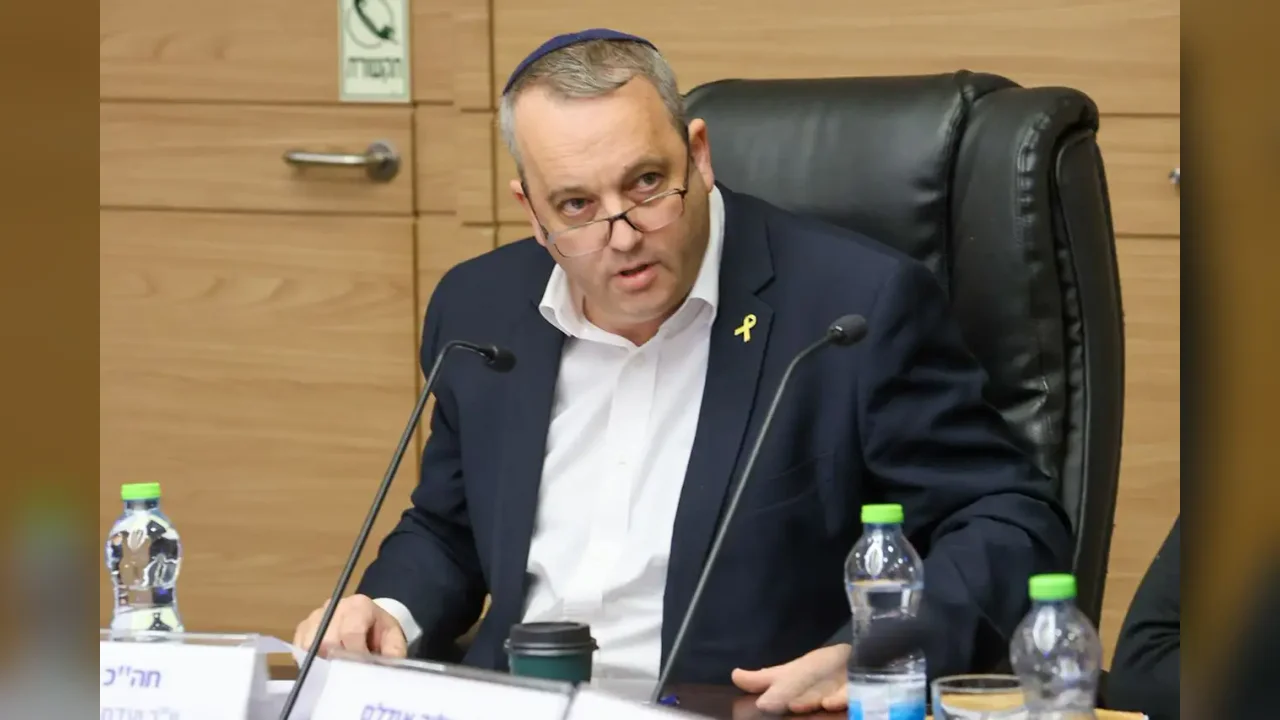
A controversial new legislative proposal aimed at imposing parliamentary sanctions on elected officials who refuse to recognize Hamas as a terrorist organization is advancing toward a Knesset vote. Sponsored by MK Ofir Katz, the bill has ignited intense public and legal debate, prompting sharp commentary from local journalists and observers.
Weighing in on X, journalist Almog Boker addressed the broader implications of the measure rather than its specific constitutional mechanics. Highlighting the deep dismay felt across many sectors of Israeli society, Boker pointed directly to the moral failure underlying the entire initiative. "The biggest problem with this bill is that we have reached a situation where such a law even needs to be enacted in the State of Israel," he wrote.
Proposed Parliamentary Sanctions and Mechanisms
The legislation seeks to establish strict disciplinary procedures within the Knesset to penalize lawmakers who exhibit ambiguous stances toward terrorist organizations following the outbreak of Operation Iron Swords. Under the proposed framework, specific measures include:
- Penalties for silence or refusal: Any lawmaker who explicitly refuses or abstains from recognizing Hamas as a terrorist organization when directly questioned will face the suspension of core parliamentary privileges, including submitting bills, addressing the plenum, and participating in committee sessions.
- Indefinite duration: The suspension of privileges will not carry a predetermined sunset clause, remaining in force until the legislator explicitly changes their stance and publicly acknowledges the organization as a terrorist group.
- House Committee authority: Disciplinary actions will not apply automatically; instead, the House Committee will retain final jurisdiction to evaluate each case individually and determine the appropriate scope of penalties.
Political and Constitutional Concerns
The measure is widely perceived as targeting Arab MKs who have consistently declined to explicitly condemn Hamas or the October 7 atrocities. Consequently, the bill is expected to spark fierce confrontations on the Knesset floor when it reaches the plenum for debate.
At the same time, legal experts and critics warn that the proposal poses severe constitutional risks. Opponents argue that penalizing elected officials for their political expressions infringes upon fundamental rights to freedom of speech and transforms the House Committee into a quasi-judicial tribunal, a move that legal analysts suggest could ultimately lead to the legislation being struck down by the High Court of Justice.