Knesset Debates Competing Bills as Opposition Targets Judicial Overhaul
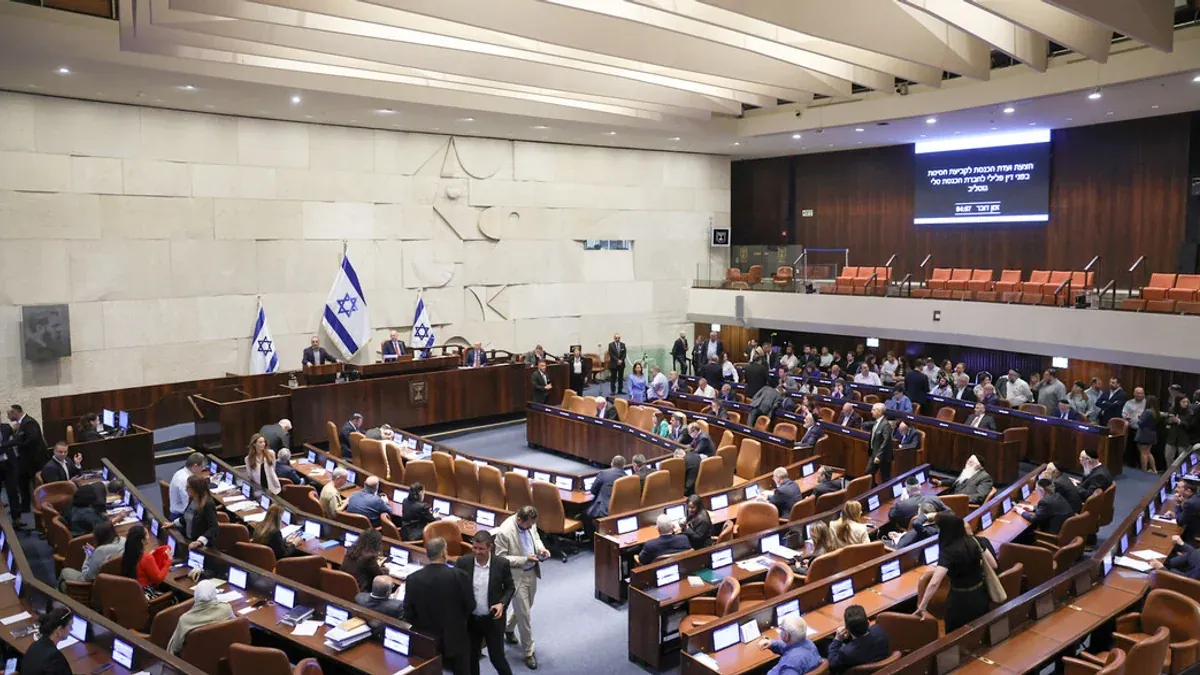
The Knesset plenum convened for a legislative session featuring opposition bills to repeal judicial and communications laws, alongside Likud counter-proposals on terrorism and public tefillin.
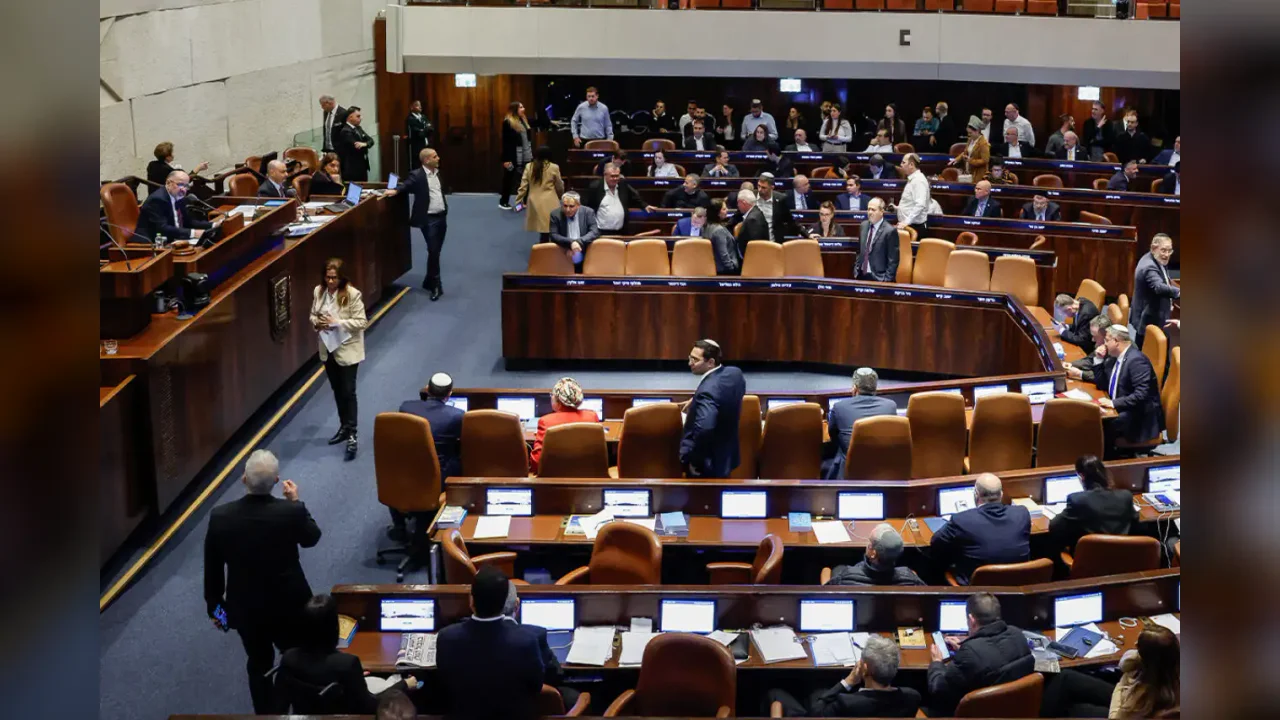
The Knesset plenum convened on Wednesday for a high-stakes legislative session, featuring a flurry of preliminary bills from both the coalition and the opposition. The agenda follows the election of MK Matan Kahana (Yashar!) as Speaker of the Knesset, setting a new tone in parliament as the Change Bloc and right-wing factions advance competing agendas.
Opposition Push to Roll Back Government Legislation
MK Efrat Reiten (The Democrats) submitted three separate bills aimed at dismantling key legislative acts passed by the outgoing right-wing government. The first proposal seeks to repeal Amendment No. 4 to Basic Law: The Judiciary, which altered the composition of the Judicial Selection Committee and decision-making mechanisms, effectively restoring the previous arrangement that included representatives from the Israel Bar Association.
Reiten also introduced a bill to repeal Amendment No. 105 to the Courts Law, which aligned court regulations with the revised committee structure, alongside a measure to annul the law governing the appointment and dismissal of the Attorney General of Israel. In parallel, MK Eitan Ginzburg (BeYachad) tabled a proposal to abrogate the 2026 Communications Law, which had established a new broadcasting authority and shifted content providers from a licensing regime to a registration framework.
Coalition Countermeasures and Restrictions
On the other side of the political spectrum, Likud MK Ofir Katz advanced two contentious legislative initiatives. The first proposes amending Basic Law: The Knesset to strip lawmakers of their parliamentary privileges if they refuse to recognize Hamas as a terrorist organization or make statements denying its terrorist nature. The second proposal seeks to ban the obstruction of laying tefillin in public spaces and educational institutions.
All submitted measures require a waiver of the standard waiting period before being forwarded to the House Committee, which will determine the appropriate parliamentary committees to review them. Additionally, the plenum scheduled a combined debate on establishing special parliamentary committees to handle the incoming workload.