How to Properly Clean and Disinfect Your Kitchen Sponge
Kitchen sponges harbor dangerous bacteria like salmonella and E. coli. Learn how proper sanitization, task separation, and weekly replacements keep your kitchen safe.
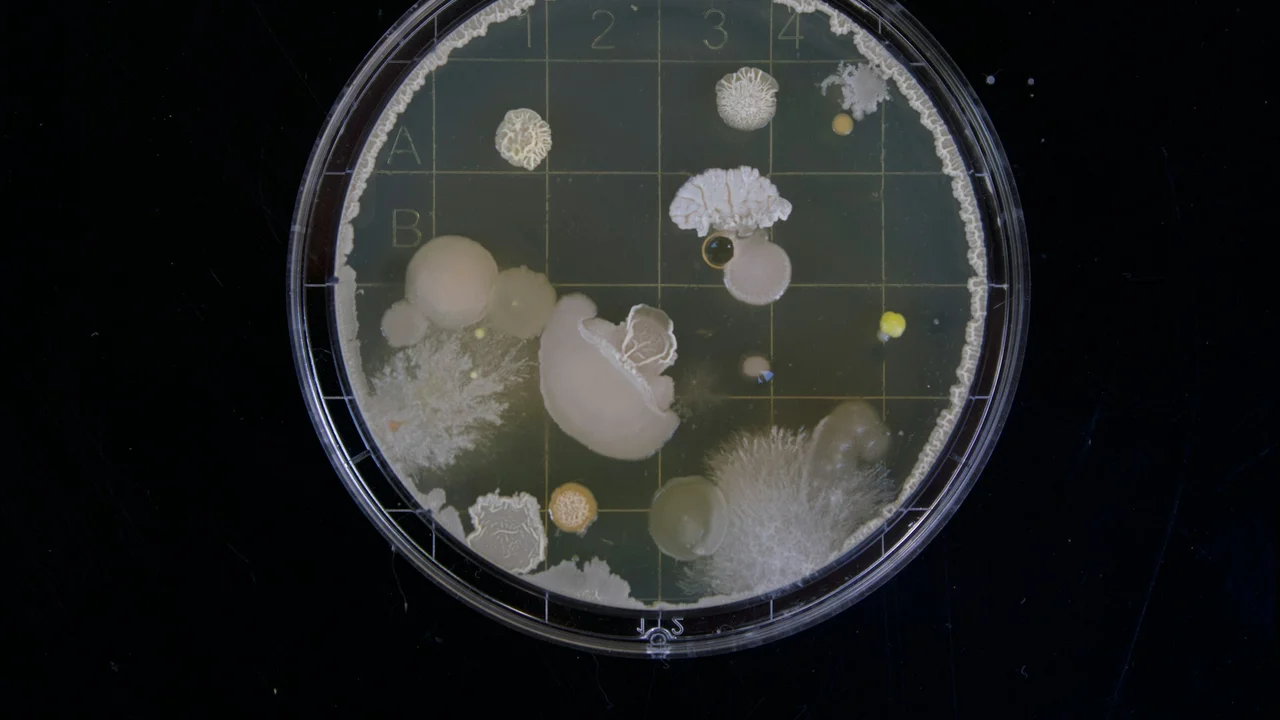
The kitchen sponge is one of the most frequently used tools in our homes, sitting right by the sink for every spill and cleanup task. However, while it looks clean after a quick rinse with soap and water, a damp sponge quickly becomes a breeding ground for bacteria like salmonella and E. coli. Changing a few simple habits can ensure your cleaning tool does not become a health hazard.
Separate Tasks and Avoid Raw Meat
Sponges stay wet for long periods and trap food particles, creating ideal conditions for bacterial growth. It is crucial to avoid using the same sponge for different tasks, especially when dealing with raw meat, poultry, or fish. Instead of soaking up raw juices with a sponge, use paper towels and discard them immediately to prevent cross-contamination.
Similarly, countertops should not be wiped with the same sponge used for washing dishes. Opt for clean microfiber cloths or paper towels that can be washed and sanitized frequently to maintain proper kitchen hygiene.
Proper Sanitization and Regular Replacement
A simple rinse with dish soap removes visible dirt but does not kill bacteria. Experts recommend sanitizing standard sponges every few days by soaking them for five minutes in a solution of one liter of water mixed with three tablespoons of bleach, followed by a thorough rinse and air drying.
Even with regular disinfection, sponges have a limited lifespan and should be replaced every week to two weeks. If the sponge develops a persistent odor, changes color, or begins to tear, it is time to throw it away immediately.