Israel Establishes First New Kibbutz in 29 Years in the Arad Valley
Gal Shohami, a retired IDF veteran, is leading the establishment of Israel's first new kibbutz in 29 years in the Arad Valley. The 'Yachad - Adam VeAdama' project unites religious and secular Israelis in a communal model focused on renewable energy and regional development.
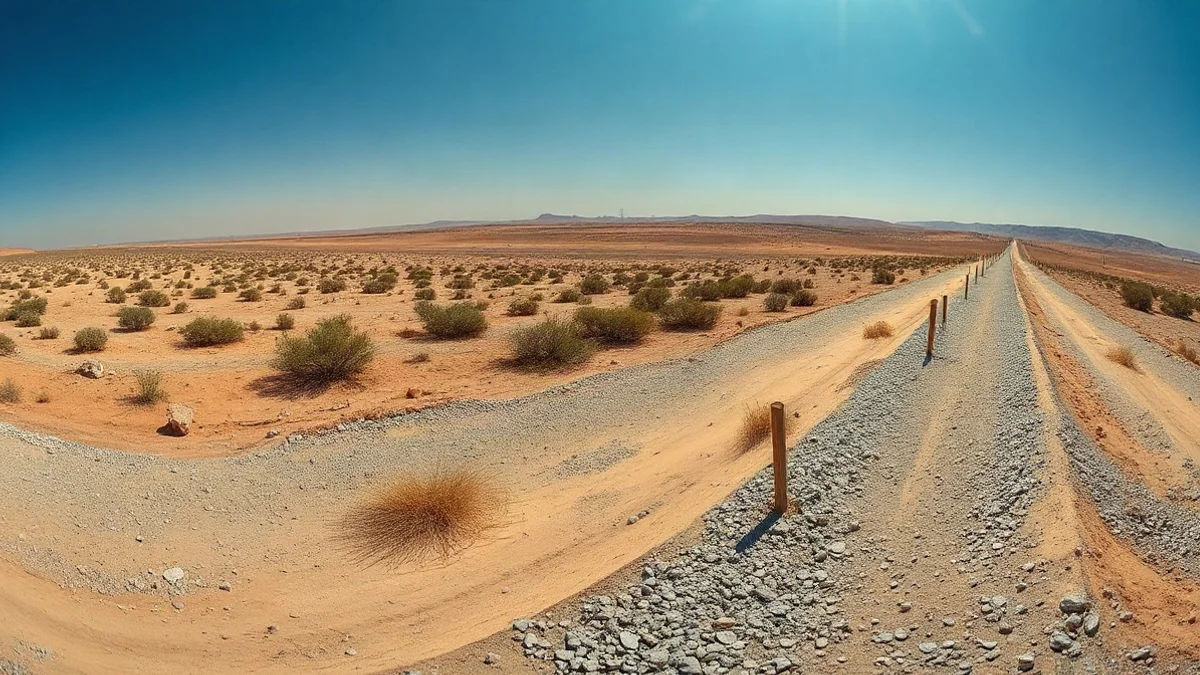
Gal Shohami, who recently retired after nearly 32 years of service in the Israel Defense Forces, is leading the establishment of a new kibbutz in Israel for the first time in 29 years. As the founder and chairman of the "Yachad - Adam VeAdama" initiative in the Arad Valley, Shohami discussed the ambitious project at a municipal growth conference organized by local media in cooperation with Israel Discount Bank and the Kibbutz Movement.
A Vision of Unity and Zionism
Reflecting on the motivations behind the initiative, Shohami noted that founding a kibbutz was not the initial plan. "We wanted to settle the land, look at Zionism 30 years into the future, and validate it, while fostering unity among the people of Israel," he explained. The community brings together religious and secular members, as well as a diverse age range, from veterans in their 50s to young adults in their early 20s. Recognizing that no new kibbutz had been established in decades, and drawing inspiration from the communal resilience witnessed after October 7, the founders decided to pursue the project in partnership with the Kibbutz Movement and the religious kibbutz sector.
Addressing the inevitable cultural and ideological friction between religious and secular lifestyles, Shohami emphasized mutual respect and compromise rather than unilateral concessions. Regarding the economic model, he outlined a collaborative and diversified communal economy focused on renewable energy and shared infrastructure, comparing the collaborative spirit to his decades of experience in the IDF, where a shared mission unites diverse individuals.
Overcoming Challenges and Fostering Cooperation
Shohami acknowledged the hurdles of launching such a venture, noting a demographic imbalance where secular applicants currently lag behind religious participants at a ratio of one to ten. Next year, 25 families are scheduled to move onto the land. Addressing potential friction regarding land disputes with the Bedouin diaspora in the Arad Valley, Shohami stressed the rule of law while highlighting ongoing dialogue and potential collaborations in education and agriculture.
Looking five years ahead, the founders envision a thriving desert hub featuring an advanced agricultural sector, renewable energy projects, a visitor center, and a sustainable ecological system at Tel Arad.