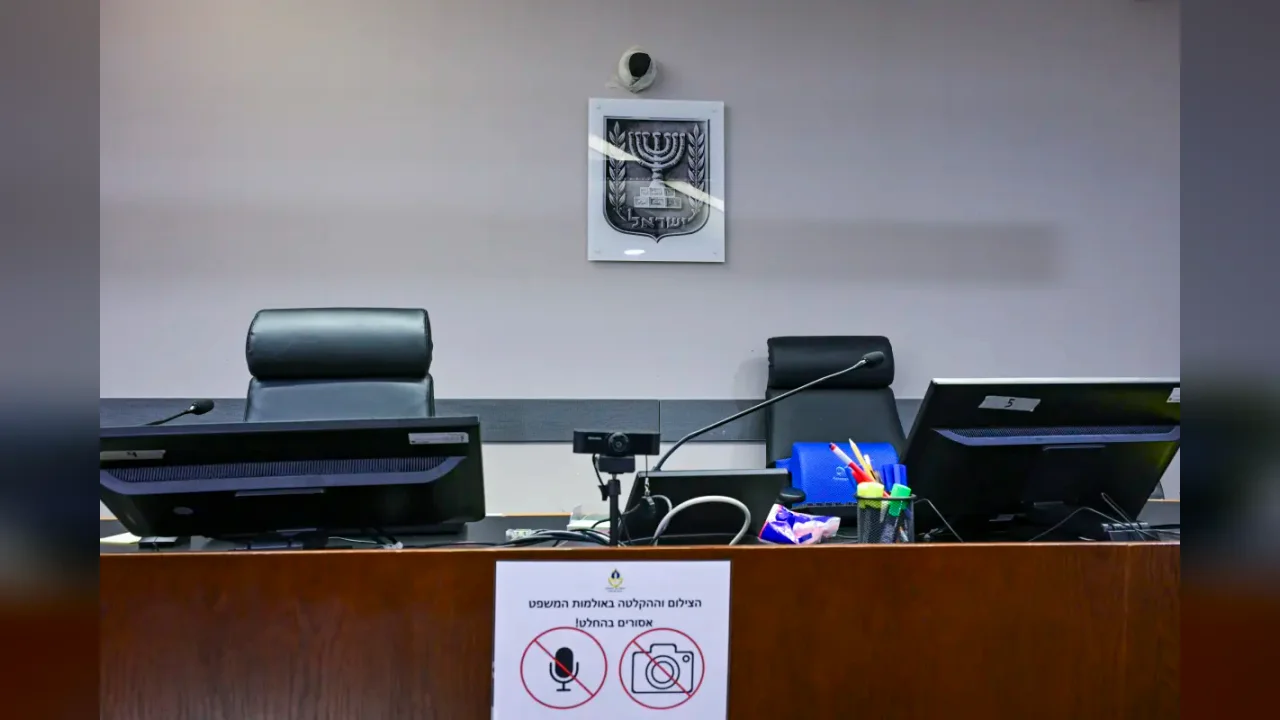
Knesset Committee Advances First Reading to Repeal Karhi Broadcasting Reform
A special Knesset committee approved the first reading of a bill to repeal Communications Minister Shlomo Karhi's controversial broadcasting reform amid heated debates and expulsions.

A special Knesset committee, chaired by MK Meirav Ben Ari, approved the first reading of a bill to repeal the controversial broadcasting reform initiated by Communications Minister Shlomo Karhi. The legislation passed following three intensive committee sessions that featured sharp exchanges, public testimony, and heated debate among lawmakers.
The original broadcasting reform, designed to restructure the Israeli media market, was narrowly approved in the previous Knesset by a 53-to-48 vote. However, the High Court of Justice froze its implementation, issuing a conditional order demanding explanations as to why the entire statute should not be rescinded. Proponents of the repeal argue that the original law opened the door to excessive political interference in broadcasting and threatened independent media, while supporters of the reform maintained it aimed to foster competition and eliminate bureaucratic red tape.
Committee Debate and Expulsions
Proceedings grew increasingly tense as several lawmakers and participants clashed over the legislative pace and political priorities. MK Almog Cohen was ejected from the session following repeated interruptions in which he hurled accusations at committee chair Ben Ari. Shouts erupted from combat veterans and other attendees, leading to additional expulsions, including Communications Minister Shlomo Karhi, who asserted he was defending professional ministry personnel.
Legal advisers and civil society representatives offered diverging perspectives on the urgency of the repeal. Zulat Institute CEO Einat Ovedia contended that Karhi's original legislation was rushed, poorly vetted, and unfairly favored specific outlets such as Channel 14. Conversely, representatives from civil society groups argued that the Knesset should await the definitive ruling of the High Court of Justice rather than rapidly dismantling the regulatory framework.
Legislative Outlook and Next Steps
Despite opposition protests over the accelerated schedule, the committee ultimately advanced the repeal bill by a 7-to-6 vote. If enacted, the legislation will restore previous regulatory arrangements, keeping the Second Authority and the Cable and Satellite Broadcasting Council operational under existing rules, including mandatory investments in local original productions.
The bill now advances to the Knesset plenum for its first reading as lawmakers continue to debate the future structure of Israel's telecommunications sector.