Julius Baer Sees Oil Prices Above $100 as Detached from Market Reality
Julius Baer assesses that oil prices above $100 per barrel do not match market realities, citing stable global inventories, robust Middle East exports, and easing shipping costs.
Oil prices continue to trade above $100 per barrel, but investment bank Julius Baer estimates that these high pricing levels do not reflect the reality on the ground.
Supply and Inventories
A recent oil market report published by the International Energy Agency confirmed that exports from the Middle East have returned to pre-crisis levels and that global oil inventories are not in a deficit state.
In fact, the conflict involving Iran primarily wiped out the surplus accumulated throughout 2025. By comparison, in 2021, inventories in the West were significantly lower. In China, inventories also remained relatively high compared to past years, despite the sharp decline recorded this year.
Maritime Transportation Costs
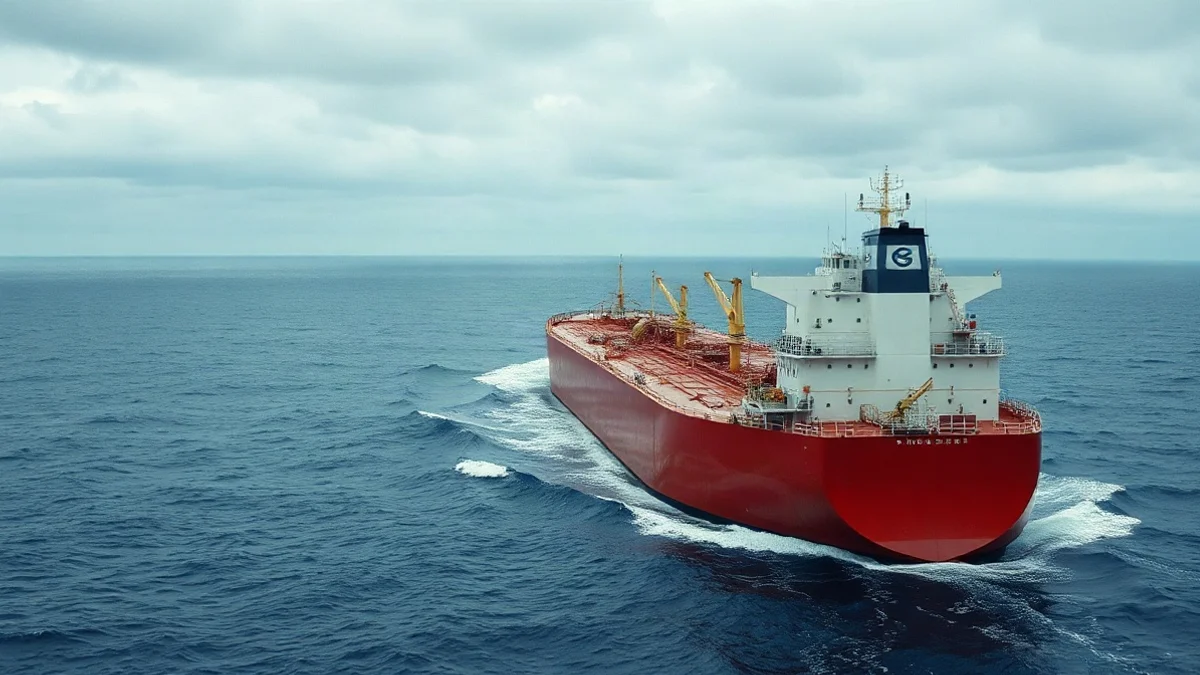
Alongside this, one of the most prominent challenges is the surge in maritime shipping costs, which currently adds $20 or more to the price of every barrel. This significant increase is strongly felt among giant crude oil tankers, while smaller tankers for oil products have barely been affected.
Julius Baer notes that traffic through the Suez, Gibraltar, and Malacca straits remains active, and the current surge is largely driven by a herd mentality among shipping companies rushing to expand their fleets to reap logistical profits—a dynamic expected to moderate as new vessels enter the market this year and next.
Diesel and Refining Outlook
In the refined products sector, fears of a diesel shortage are proving less severe: in the US, diesel inventories are at the lower end of the seasonal range but have remained stable since the beginning of summer, Japan is seeing a recovery in inventories, and concerns in Europe are based on outdated summer data.
At the same time, spare refining capacity in Asia and the Middle East is boosting oil product exports, while attractive refining margins are expected to lead to a partial postponement of autumn maintenance work and support supply.
"The risk premium will be short-lived as is typically the case, diesel supplies will strengthen thanks to trading and postponed maintenance work, and the surge in shipping costs will soon calm down," explained Norbert Rücker, Head of Economics and Next Generation Research at Julius Baer.
Against this backdrop, the bank adheres to a cautious assessment and maintains a short position, emphasizing that these three theses must stand the test of validation before the end of the year.