Jerusalem Ultra-Orthodox Cultural Budget Surges Fourfold to 172M Shekels
The Jerusalem Municipality's Torah Culture Department budget surged nearly fourfold to 172 million shekels, funding festivals, amusement attractions, and political events.
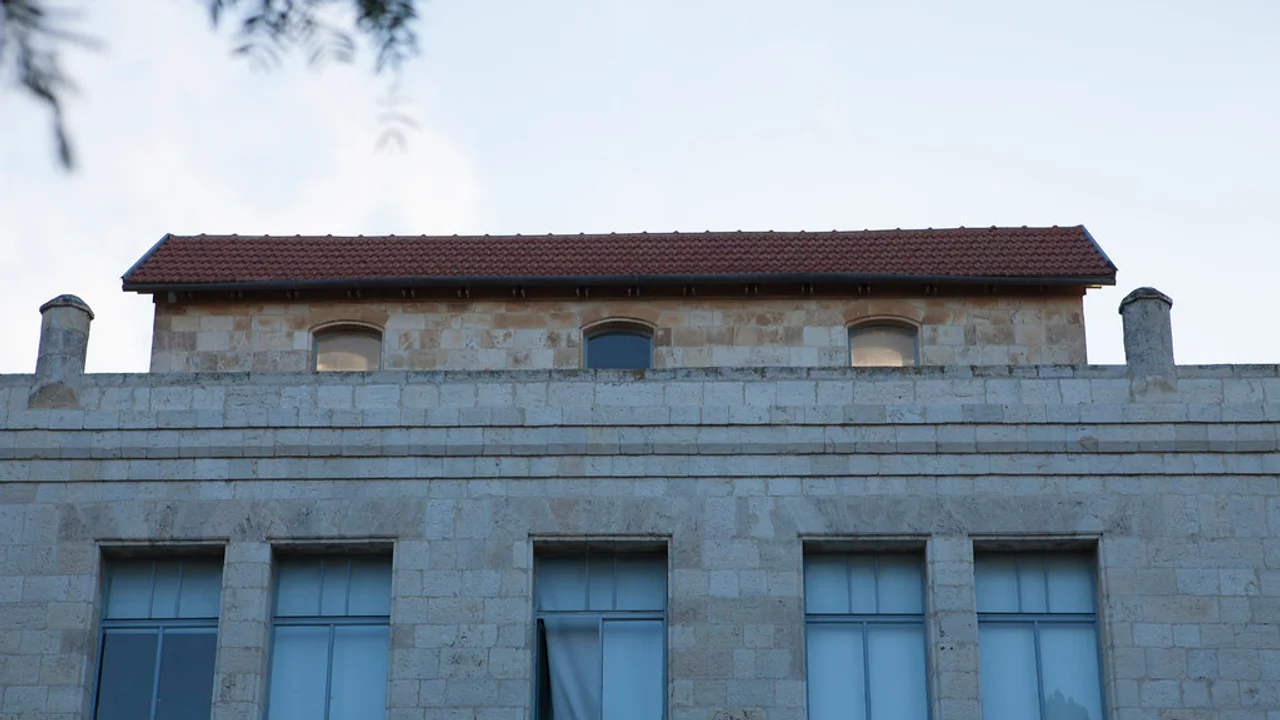
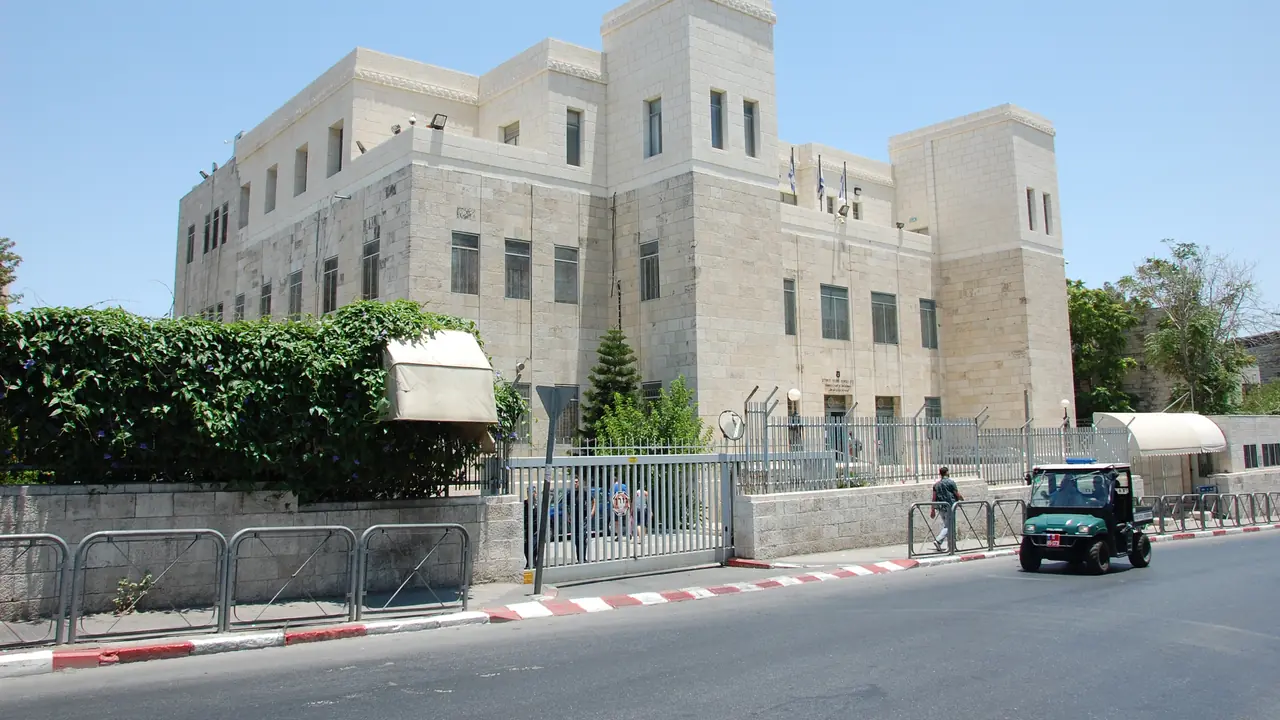
The budget of the Department for Torah Culture within the Jerusalem Municipality surged nearly fourfold throughout the year, climbing from an originally approved 45 million shekels to 172 million shekels, with potential for further increases by year's end. A substantial portion of these funds is channeled into conferences, festival-style gatherings, and amusement park attractions catering to the ultra-Orthodox community.
Allocation Mechanisms and Major Projects
All 172 million shekels were approved through the municipal committee for tenders exemptions by utilizing municipal corporations exempt from competitive bidding requirements. Approximately 63 percent of the total, amounting to 108 million shekels, was transferred to community directorates, while 29 percent or 50 million shekels went to the International Convention Center (Benei HaUma). External funding accounted for only 7.9 million shekels, primarily generated through ticket sales, and 40 million shekels were drawn from the general cultural administration budget while being executed via the Torah Culture Department.
During its first session following the municipal elections on November 2, the committee approved 23 actions totaling 18.5 million shekels. Among these allocations was 5.5 million shekels for the Tzama popular Hasidic music festival, part of Hasidism Week at the International Convention Center beginning November 24. The festival features 11 major musical performances aimed at younger audiences across traditional, religious, and ultra-Orthodox spectra. The total cost of the festival reached 8.6 million shekels, subsidized in part by 3.1 million shekels in ticket sales.
Controversial Commemorative Events
The committee also retroactively approved 5.3 million shekels for the Yosef Aleichem conference commemorating the late Rabbi Ovadia Yosef, held from November 1 to 3. The Ministry for Religious Services co-funded this event with 2.5 million shekels, alongside 300,000 shekels from ticket sales. Originally delayed by Attorney General Gali Baharav-Miara over concerns it would function as a de facto election rally for the Shas party, the event ultimately featured multimedia exhibits, musical performances, and a theatrical production about the late Shas leader, despite legal requirements that such state-backed conferences remain strictly academic.
Additional expenditures included 9.26 million shekels for a summer holiday happening for yeshiva students known as "Olim LeYerushalayim," which incurred a net cost of 7.64 million shekels after ticket revenues. Throughout August and September, the department approved tens of millions of shekels for Elul and Tishrei holidays, summer breaks, and memorial events for prominent rabbis such as Rabbi Mordechai Eliyahu and the Ohr HaChaim, coinciding closely with local political campaign cycles.
Stakeholder Responses
City Council Member Laura Wharton of the Jerusalem Union faction criticized the surging expenditures:
"At a time of war when the entire country is making cuts, the municipality's department for ultra-Orthodox celebrations and festivals has spent astronomical sums exceeding 100 million shekels of the approved budget. This operates under the principle of celebrating rather than enlisting. Everyone is entitled to culture, but exclusive celebrations for the ultra-Orthodox must stop."
In response, the Jerusalem Municipality defended the allocations, stating that municipal budgets receive routine supplements throughout the year with data published in official financial reports. The municipality emphasized that the cited events are long-standing cultural traditions enjoying widespread national demand, and maintained that the commemoration for Rabbi Ovadia Yosef was approved in real time in accordance with standard committee procedures.